

2,995
2,246
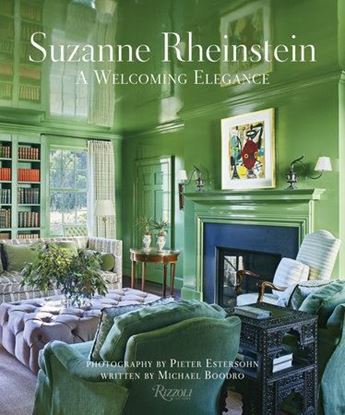
SUZANNE RHEINSTEIN
Over the past decade, celebrated style maker Suzanne Rheinstein has achieved an unprecedented level of refinement and clarity. Her love of objects from the past remains a touchstone, but in her newest rooms, stylish modernity and an elegant simplicity hold sway.
Presented are beautifully photographed homes of clients Suzanne Rheinstein has worked with before that reflect a vision of richness tempered by restraint. Her longtime fans will find new inspiration in these pages. Throughout, she shares her ideas of how to live in a relaxed way surrounded by artworks and personal collections. A traditional Georgian library is done in a totally untraditional lacquered green, while a San Francisco town house revamp includes a “California” room filled with Moroccan rugs and rattan chairs, and a serene retreat has a guesthouse evocative of the bohemian 1970s.
2,995
2,246
2,995
2,246
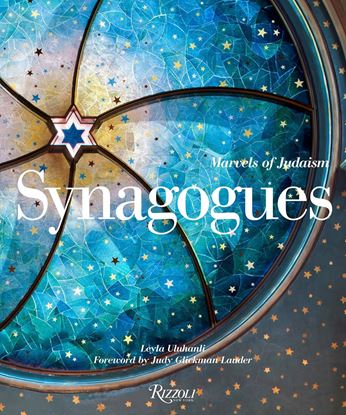
SYNAGOGUES. MARVELS OF JUDAISM
This visually striking compendium illustrates the architectural and historical evolution of over 60 iconic synagogues worldwide. Beginning with the foremost archaeological sites in the Holy Land, it extends to the Jewish sanctuaries of Europe, North Africa, Russia, the Caucasus, Israel, and the New World, from the most ancient to the most innovative creations around the globe. Masterpieces such as Frank Lloyd Wright’s Beth Sholom Synagogue in Pennsylvania, the Grand Synagogue in Paris, New York’s Temple Emanu-El, and Dresden’s Neue Synagogue are all featured in magnificent detail. In a series of compelling essays, prominent scholars Lidia Chakovskaya, Steven Fine, Max Fineblum, Mohammad Gharipour, Samuel D. Gruber, Sergey R. Kravtsov, Michael Levin, and Edward van Voolen explore the diverse architectural styles that reflect the synagogue’s rich, complex, and often tragic history. Noted Judaic studies authority Aaron Hughes provides the introduction, highlighting the synagogue’s history and liturgical furnishings from silver menorahs and textiles to carved wooden cabinets and lanterns of eternal light. This gorgeously illustrated volume will appeal to those with an appreciation for art and architecture as well as lovers of Jewish history.
2,995
2,246
2,995
2,246
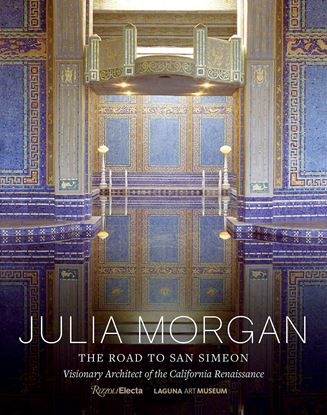
JULIA MORGAN
Julia Morgan was truly a pioneer of her time—among other accomplishments, she was the first woman architect to be licensed in California, in 1904. Through her remarkable life and legacy, this book celebrates the Beaux-Arts architecture of California. Focusing on Morgan’s most famous project in the state, Hearst Castle, to which she devoted more than 30 years of her life, this volume also examines, for the first time, Morgan’s fabulous early buildings in the style. Morgan designed more than 700 buildings across California, many of which are designated landmarks today. Deepening the reader’s understanding of California archi-tecture, this book also places into context Morgan’s ambitions, her influences and inspirations, as well as her daily practice and challenges as a woman shaping an extraordinarily prolific and highly successful career in a man’s world.
To better understand the Beaux-Arts training Morgan underwent in Paris, the reader is taken through the challenging, highly arduous Ecole des Beaux-Arts curriculum, which Morgan completed, a lone woman among men. Also explored, in detail, is the story of how the studio and kilns of California Faience, a Berkeley ceramic artisan’s shop, became the supplier of tens of thousands of tiles designed by Morgan and overseen by Hearst himself to decorate their architectural master-piece overlooking the Pacific Ocean.
2,995
2,246

2,900
2,175
COLECCION PERSONAL
Relojes mecánicos, cronógrafos, de buceo y de cuarzo: un recorrido por la historia de la relojería a través de 90 modelos emblemáticos. * Desde los primeros relojes de pulsera hasta los relojes de cuarzo, todos tienen un interés histórico, mecánico o meramente estético. * Un viaje a través de las épocas y las diferentes complicaciones de la relojería. Siglos, incluso milenios, de innovación técnica han llevado a la creación de los relojes tal y como los conocemos hoy. Complejos y estéticos, son obra de artesanos muy cualificados y con un saber hacer excepcional. Pero ¿qué sentido tienen los relojes mecánicos en la era de los smartwatches? ¿Por qué nos fascinan? Tal vez sea porque, junto con la ropa, son los objetos más íntimos de nuestras vidas. Quizá también sea porque algunos han protagonizado extraordinarias aventuras humanas. Acaso porque otros nunca habrían visto la luz sin la perseverancia y la imaginación de grandes personalidades. ¿Somos realmente los dueños de un reloj o nos limitamos a transmitírselo a las generaciones venideras? Pese a las cicatrices que el tiempo les haya dejado, la mayoría de los modelos que figuran en este libro nos sobrevivirán. De hecho, la mayoría de ellos son relojes antiguos, con pátina, oxidados, imperfectos, simplemente vividos.
2,900
2,175
2,850
2,138
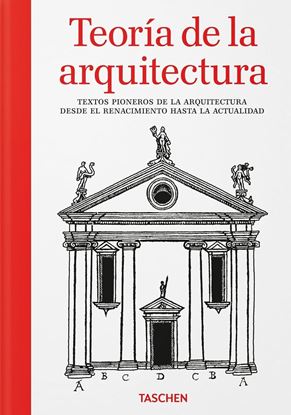
TEORIA DE LA ARQUITECTURA. (T.P.)
Esencia estructural
Los tratados de arquitectura que dieron forma a nuestro mundo
Si alguna vez se ha preguntado en qué piensan los arquitectos cuando proyectan un edificio, le encantará saber que no falta material brillante de lectura para satisfacer su curiosidad. Aunque una incursión en los archivos de la biblioteca de su ciudad seguramente le resultará muy provechosa, no le proporcionará la satisfacción inmediata que obtendrá con esta obra.
2,850
2,138
2,800
2,100
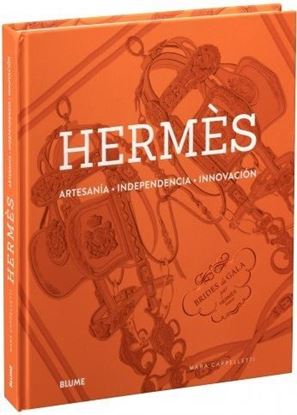
HERMES
La historia de los orígenes de la casa de moda francesa y cómo un pequeño negocio familiar se convirtió en una marca cuya independencia es su mayor fortaleza.
A través de imágenes de sus diseños icónicos, materiales de archivo, anuncios vintage y entrevistas inéditas, presenta el acceso a un mundo exclusivo y refinado.
Revela los valores, los principios, la visión y el estilo de Hermès, que convierten a la marca en un valor absoluto y a sus apasionados y fieles clientes en la mejor estrategia de marketing posible para productos que «se venden por sí mismos sin venderlos».
2,800
2,100