


2,900
2,320
COLECCION PERSONAL
Relojes mecánicos, cronógrafos, de buceo y de cuarzo: un recorrido por la historia de la relojería a través de 90 modelos emblemáticos. * Desde los primeros relojes de pulsera hasta los relojes de cuarzo, todos tienen un interés histórico, mecánico o meramente estético. * Un viaje a través de las épocas y las diferentes complicaciones de la relojería. Siglos, incluso milenios, de innovación técnica han llevado a la creación de los relojes tal y como los conocemos hoy. Complejos y estéticos, son obra de artesanos muy cualificados y con un saber hacer excepcional. Pero ¿qué sentido tienen los relojes mecánicos en la era de los smartwatches? ¿Por qué nos fascinan? Tal vez sea porque, junto con la ropa, son los objetos más íntimos de nuestras vidas. Quizá también sea porque algunos han protagonizado extraordinarias aventuras humanas. Acaso porque otros nunca habrían visto la luz sin la perseverancia y la imaginación de grandes personalidades. ¿Somos realmente los dueños de un reloj o nos limitamos a transmitírselo a las generaciones venideras? Pese a las cicatrices que el tiempo les haya dejado, la mayoría de los modelos que figuran en este libro nos sobrevivirán. De hecho, la mayoría de ellos son relojes antiguos, con pátina, oxidados, imperfectos, simplemente vividos.
2,900
2,320
995
796
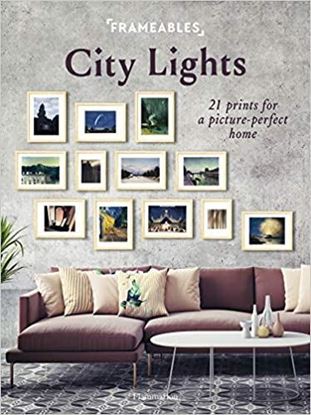
CITY LIGHTS (B) (OF3)
Introducing the first collection of art books with detachable prints to decorate your walls. Everything you need to create your own private gallery at home! Nightscapes that range from a fireworks display in Rome by Jacob Philipp Hackert to the Louvre from across a Parisian bridge by Maximilien Luce to a moonlit New York streetlamp by Georgia O'Keeffe.
Each book contains a curated selection of twenty-one high-quality reproductions that can be easily removed from the book, framed in a standard-size frame, and displayed in the home. Step-by-step tips for grouping the works to create a harmonious gallery add an interior designer's touch to the ensemble. Graphic, colorful, or abstract; paintings, engravings, or drawings--each work of art is explained on the back of the print. Interesting details about the style of painting, the particular work of art, and biographical information about the artist are accompanied by a "frameable fact" that helps you understand the context of that particular work in the history of art. In addition, suggestions for where you can go to see additional examples of the artists' works allow the reader to expand his or her experience and learning.
Artists include Edward Hopper, William Turner, Camille Pissarro, Paul Klee, Claude Monet, Vincent van Gogh, Pierre Bonnard, Giorgio de Chirico, Georgia O'Keeffe, René Magritte, and Wassily Kandinsky.
995
796
1,500
1,200
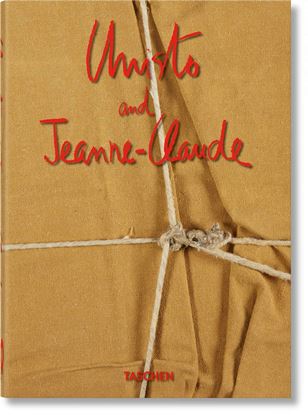
CHRISTO & JEANNE-CLAUDE (40) (INT)
The works of Christo and Jeanne-Claude are monuments of transience. Gigantic in scale, they are always temporary, created to exist only for a limited time and to leave unique, unrepeatable impressions. “From the smallest of the Packages made in Paris in the early 1960s, to the delicate pattern of hundreds of branches embraced by a translucent fabric veil... in Christo and Jeanne-Claude’s works there is nothing abstract, nothing imagined; it is all there―corporeal and tangible.” (Lorenza Giovanelli)
1,500
1,200
2,995
2,396
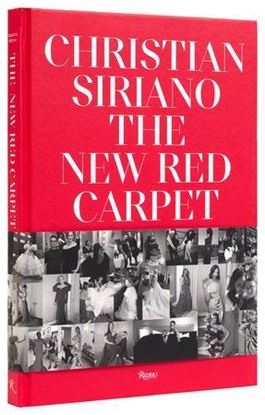
CHRISTIAN SIRIANO
The popular American fashion designer takes us on an exhilarating journey with today’s biggest stars wearing his statement-making designs on the world’s most exciting red carpets.
This highly anticipated sequel to Dresses to Dream About (2017), delves into Siriano’s continued evolution as a visionary, from his groundbreaking fashion that celebrate diversity, inclusion, and body positivity to the meticulous craftsmanship behind each creation. This inspiring tome explores the intersection of fashion, art, and celebrity culture, offering a front-row seat to the dazzling spectacle of Siriano’s bold designs worn by glamorous actors, top models, pop culture legends, LGBTQIA+ icons, and first ladies.
2,995
2,396
999
799
5,300
4,240
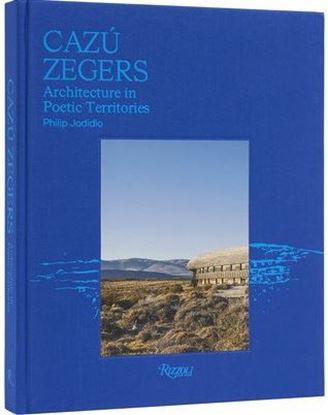
CAZU ZEGERS. ARCHITECTURE IN POETIC
This is the first major book on Zegers, who practices an intensely artistic and ecological form of architecture based on landscapes in which she builds. Working frequently in timber, Zegers reaches unique, sustainable, and recyclable solutions that combine and rescue the traditional work of Chilean carpenters with modern techniques. In an almost metaphysical journey, in which organic forms, curves, diagonals, and verticals are combined, Zegers affirms her rising presence as a force in ecologically minded architecture.
5,300
4,240