
4,200
3,360
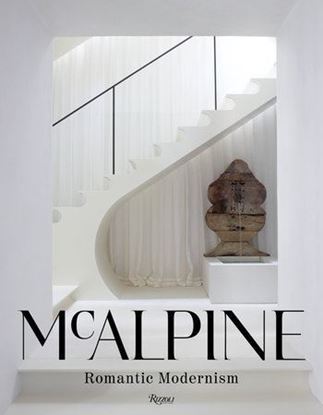
MCALPINE:ROMANTIC MODERNISM
The work of renowned firm McALPINE has always communicated the power of romanticism, speaking directly to the heart through the beauty and poetry of the home. Tapping diverse influences, the residences draw from architectural languages ranging from Elizabethan and Dutch to colonial Caribbean and agrarian American. The book opens with Bobby McAlpine’s own newly designed house, featuring exquisite spaces that are modern in expression but classical in order and balance. Other projects include a white-on-white neoclassical pavilion-by-the-sea in the Bahamas; a masonry dwelling in the rolling hills of Virginia; a quintessential American country house in Tennessee that combines the familiarity of a farmhouse with crisp minimalism; and an exuberant house sited on the edge of a pastoral golf course in Alabama. Freely choosing from architecture’s treasury, the assembly of houses is familiar, bold, and surprising, all at the same time—reflecting the complexity of the human experience.
4,200
3,360
2,600
2,080
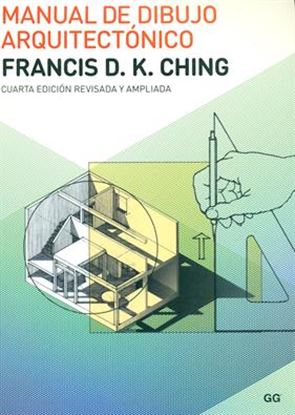
MANUAL DE DIBUJO ARQUITECTONICO
El Manual de dibujo arquitectónico es el libro que dio fama internacional a Francis D. K. Ching y sus conocidos métodos de dibujo. Esta nueva edición, la cuarta desde que se publicara por primera vez en español en 1976, amplía y complementa la edición anterior incorporando nuevas ilustraciones y nuevos contenidos que hacen referencia al dibujo con herramientas digitales. Se mantiene, sin embargo, el magnífico planteamiento del original que catapultó a la fama a Ching y convirtió este libro en el manual de dibujo arquitectónico por excelencia. Organizado en diez capítulos, el libro expone las herramientas, directrices y técnicas tradicionales de la expresión gráfica en arquitectura así como las claves de la representación visual mediante recursos digitales. El estudiante de arquitectura y diseño encontrará en estas páginas desde los procedimientos básicos para dibujar plantas, secciones y alzados, o los sistemas de representación más frecuentes (el diédrico, la axonometría y la perspectiva), hasta los métodos y convenciones para representar materiales o texturas de suelo, dibujar sombras y valores tonales, o incorporar elementos contextuales como figuras humanas, coches, árboles o mobiliario. En definitiva, un clásico del dibujo técnico arquitectónico que recoge de forma sistemática las técnicas y convenciones que todo arquitecto debe conocer para representar gráficamente ideas y soluciones arquitectónicas.
2,600
2,080
3,995
3,196
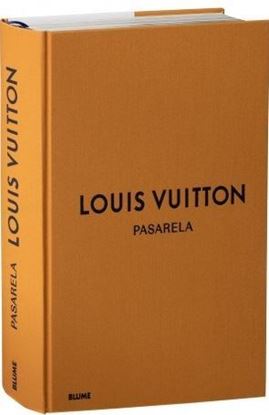
LOUIS VUITTON. PASARELA
La primera panorámica completa de las colecciones de moda de vanguardia de Louis Vuitton, desde su debut en 1998 hasta la actualidad, presentada a través de fotografías originales de pasarela.
Fundada como casa de artículos de cuero en 1854, Louis Vuitton lanzó su primera colección de moda en 1998. Le siguió una fama mundial sin precedentes, así como colaboraciones pioneras de alto nivel con artistas como Takashi Murakami, Richard Prince y Stephen Sprouse.
Este libro recoge las colecciones de gran influencia diseñadas por el director creativo Marc Jacobs (1998-2014) y Nicolas Ghesquière, que dirige la marca en la actualidad.
3,995
3,196
4,995
3,996
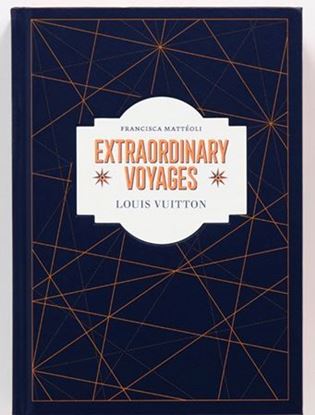
LOUIS VUITTON. EXTRAORDINARY VOYAGES
The mid-19th and early 20th centuries heralded new means of transport and equipment and, with them, new and original ways of exploring the world. Transatlantic liners, automobiles, long-haul airplanes, zeppelins, and express trains unfurled new horizons and changed travel itself into an adventure. Distant lands were no longer solely accessible to aristocrats, explorers, and adventurers. Instead, the world opened up to new groups of people eager to circumvent the globe. And for many of these new globetrotters, traveling was synonymous with Louis Vuitton, the French label whose iconic and functional luggage trunks could be found on nearly every boat, plane, car, and train around the world.
In this beautiful book, author Francisca Mattéoli recounts 50 tales of thrilling travel undertaken in every possible mode of transit, from the hot air balloon to the space shuttle, each lavishly illustrated with more than 300 historical photographs and ephemera from Louis Vuitton’s official archives. Louis Vuitton: Extraordinary Voyages is a journey all its own—an evocative and transporting account of the most surprising and transformative trips taken since the 19th century.
4,995
3,996
2,995
2,396
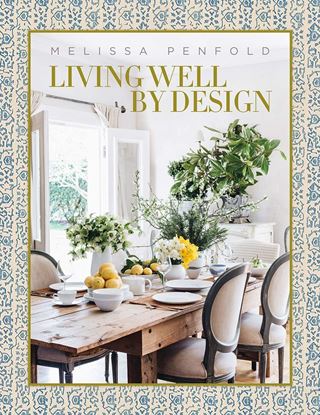
LIVING WELL BY DESIGN MELISSA PENFOLD
Melissa Penfold, Australia’s foremost authority on style and design, has distilled her three decades of expertise into a single volume, identifying the basic decorating principles—including light and space, composition and balance, and pattern and texture—and offering hundreds of invaluable tips on how to apply them to turn your house into a home that is comfortable, intimate, beautiful, and the most authentic expression of your personal aesthetic.
Illustrated with images of her own home and inspirational homes around the world, Living Well by Design is an indispensable resource for everyone eager to create interiors in which decorating fundamentals are integrally interwoven with individual style.
2,995
2,396
2,200
1,840
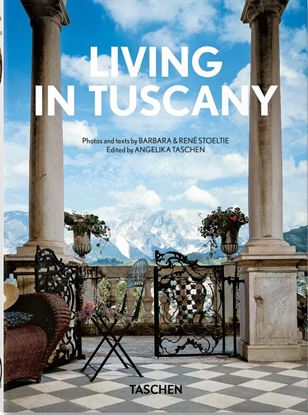
LIVING IN TUSCANY (40) (INT)
Adéntrese en algunas de las viviendas más bonitas de la Toscana. Grandes casas patricias y ermitas rurales abren sus puertas para revelar la cerámica de los Medici, salones bañados por el sol y coloridos suelos de baldosas. Con detalladas explicaciones y magníficas fotografías, este volumen nos ofrece una hermosa imagen del estilo de vida toscano.
2,200
1,840