

3,500
2,800
INDIA IN FASHION
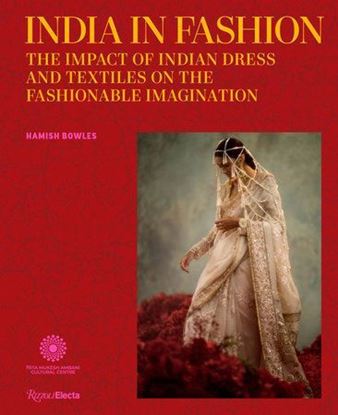
India in Fashion explores the beautiful and sophisticated history and aesthetics of traditional Indian fashion, dress, and textiles and their profound impact on European and American fashion from the eighteenth century to today.
This intoxicating and visually rich volume—with texts by experts from India, Europe, and North America—is published to accompany a major exhibition that celebrates the long historical contributions that Indian dress, textiles, and embroidery have had on Western fashion. From the introduction of chintz dressmaking fabrics in the eighteenth century to the early nineteenth-century vogue for light Indian fabrics, paisleys, and chikan embroideries to larger realities of empire and cultural appropriation, this volume features paintings, fashion magazine editorials, and portraits of influential people who championed Indian style throughout history.
3,500
2,800
2,300
1,840
HOMES FOR OUR TIME (ING) (40 ANIV.)
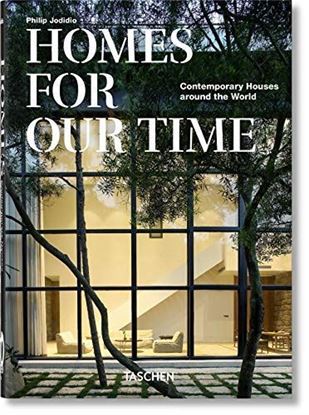
Across small cottages and lavish villas, beach houses and forest refuges, discover the world’s finest crop of new homes. This cutting-edge global digest features such talents as Shigeru Ban and Marcio Kogan alongside up-and-coming names like Aires Mateus, Xu Fu-Min, Vo Trong Nghia, Desai Chia, and Shunri Nishizawa. Here, there are homes in Australia and New Zealand, from China and Vietnam, in the United States and Mexico, and on to less expected places like Ecuador and Costa Rica. The result is a sweeping survey of the contemporary house and a revelation that homes across the globe may have more in common than expected.
Among guava trees and abandoned forts in Western India is a sanctuary designed for and by Kamal Malik of Malik Architecture. The House of Three Streams is a sprawling spectacle with high ceilings, verandas, and pavilions, perched atop a ridge overlooking two ravines. A medley of steel, glass, wood, and stone, the house weaves along the contour of the landscape, almost as an extension of the forest. Encina House by Aranguren & Gallegos, an elegant, sloping structure reminiscent of a gazebo, similarly inhabits its surrounding vista. Ensconced in a pine forest north of Madrid, the lower level is embedded in rock and connected to the upper by a natural stone wall. Shinichi Ogawa’s Seaside House is an immaculate two-story minimalist marvel in Kanagawa that overlooks the Pacific. Its living area spills onto a cantilevered terrace and infinity pool, almost dissolving into the ocean as one seamless entity. In Vietnam, Shunri Nishizawa’s House in Chau Doc exudes tropical sophistication with exposed timber beams, woven bamboo, plants, concrete panels, and inner balconies and terraces. Its corrugated iron panels act as moveable walls and shutters, ushering in views of surrounding rice fields.
2,300
1,840
2,200
1,760
HISTORIA DESAPACIONADA DE LA ARQ. MODER.
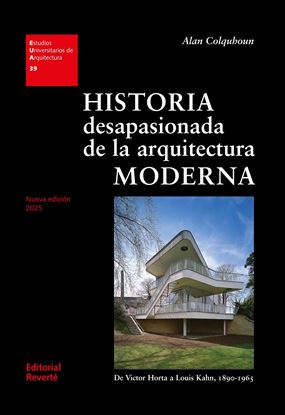
Este libro apareció originalmente en 2002, dentro de la colección Oxford History of Art. Esta nueva edición pretende volver a plantear la vigencia de la crítica al Movimiento Moderno, de la que Alan Colquhoun fue uno de los más distinguidos representantes.
El autor analiza la evolución de la arquitectura moderna desde el Art Nouveau, surgido en la última década del siglo XIX, hasta las aportaciones de Louis Kahn, realizadas a partir de mediados de los años 1960.
El estudio analiza las complejas motivaciones que impulsaron ese Movimiento Moderno, considerado 'revolucionario', y da cuenta de sus éxitos y sus fracasos. Se repasa también la actividad de los principales protagonistas del periodo (como Frank Lloyd Wright, Adolf Loos, Ludwig Mies van de Rohe, Le Corbusier y Alvar Aalto) y se ofrece una nueva visión de su papel como maestros de reconocido prestigio.
Alan Colquhoun explica que la línea que ha seguido en la definición de la 'arquitectura moderna' es la que pertenece a la tradición que la consideraba una arquitectura consciente de su propia modernidad que luchaba en favor del cambio. El libro trata de situarse en el espacio que queda entre las utopías idealistas de las vanguardias históricas y las resistencias, complejidades y pluralidades de la cultura capitalista.
La exposición sigue una secuencia cronológica global e intenta ser, según el autor, menos segura en su resultado y menos triunfalista que la mayoría de las historias anteriores del Movimiento Moderno. Sigue siendo, principalmente, una historia de los maestros, debido a que ésa era la naturaleza del propio Movimiento Moderno, pese a sus muchas reivindicaciones en favor del anonimato.
2,200
1,760
2,995
2,396
HISTORIA CRITICA DE LA ARQUITECTURA
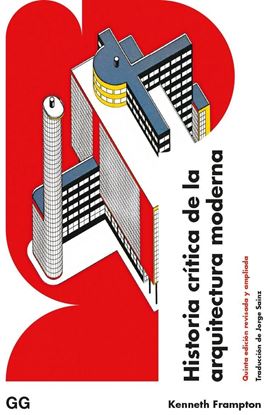
Desde su primera edición en 1980, la Historia crítica de la arquitectura moderna de Kenneth Frampton se ha convertido en un clásico imprescindible dentro de la bibliografía académica sobre historia de la arquitectura moderna. En esta quinta edición ampliamente revisada y actualizada, el autor ha añadido una nueva y extensa sección que explora al detalle la evolución del Movimiento Moderno en la arquitectura en todo el mundo a finales del siglo xx y principios del xxi. En ella, se examinan las diversas formas en que los arquitectos no solo responden a los contextos geográficos, climáticos, materiales y culturales, sino que siguen también distintas líneas de enfoque en relación a la topografía, la morfología, la sostenibilidad y la forma cívica.
2,995
2,396
2,800
2,240
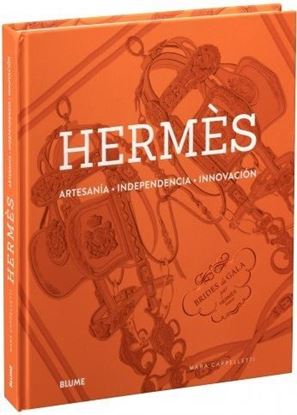
HERMES
La historia de los orígenes de la casa de moda francesa y cómo un pequeño negocio familiar se convirtió en una marca cuya independencia es su mayor fortaleza.
A través de imágenes de sus diseños icónicos, materiales de archivo, anuncios vintage y entrevistas inéditas, presenta el acceso a un mundo exclusivo y refinado.
Revela los valores, los principios, la visión y el estilo de Hermès, que convierten a la marca en un valor absoluto y a sus apasionados y fieles clientes en la mejor estrategia de marketing posible para productos que «se venden por sí mismos sin venderlos».
2,800
2,240
1,350
1,080
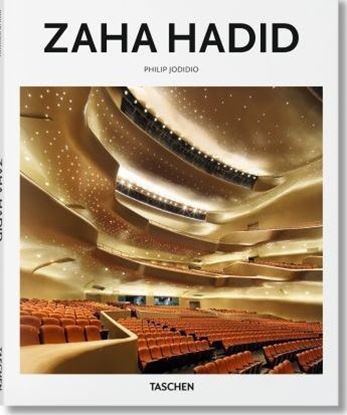
HADID (BA-ARCH) (GB)
Zaha Hadid was a revolutionary architect, who for many years built almost nothing, despite winning critical acclaim. Some even said her audacious, futuristic designs were unbuildable.
During the latter years of her life, Hadid’s daring visions became a reality, bringing a unique new architectural language to cities and structures as varied as the Rosenthal Center for Contemporary Art in Cincinnati, hailed by The New York Times as “the most important new building in America since the Cold War”; the MAXXI Museum in Rome; the Guangzhou Opera House in China; and the London 2012 Olympics Aquatics Centre.
At the time of her unexpected death in 2016, Hadid was firmly established among the elite of world architecture, recognized as the first woman to win both the Pritzker Prize for architecture and the RIBA Royal Gold Medal, but above all as a giver of new forms, the first great architect of the noughties.
From her early sharply angled buildings to later more fluid architecture that made floors, ceilings, walls, and furniture part of an overall design, this essential introduction presents key examples of Hadid’s pioneering practice. She was an artist, as much as an architect, who fought to break the old rules and crafted her own 21st-century universe.
1,350
1,080