
1,500
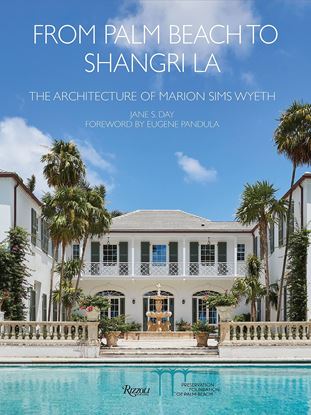
FROM PALM BEACH TO SHANGRI LA
Beauty and elegance mingle with extravagance in the Palm Beach style of architect Marion Sims Wyeth, a kind of home design that takes the standard fixtures of paradise palm trees, ebullient fountains, glistening pools and gardens, views of the sea and mixes them with a dash of the exotic a Moorish-style balcony or doorway, Venetian archways, fanciful courtyards in the Spanish style, and spiralling staircases in stone and iron. Featured here are the legendary abodes of Marjorie Merriweather Post and Doris Duke Mar-a-Lago and Shangri La, respectively as well as the less well known but equally spectacular Hogarcito and La Claridad, to name but a few. For those unfamiliar with these dream palaces, intimate homes of repose and reflection, for the enjoyment of life and the living of it, the book serves at once as a revelation and an inspiration.
1,500
4,700
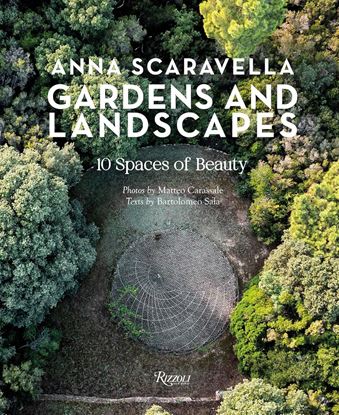
GARDENS AND LANDSCAPES. 10 SPACES OF B.
Every garden possesses its own unique beauty, just as every place holds a mysterious equilibrium within it. This is the premise advanced by Anna Scaravella, a renowned expert in landscape architecture who views every project as a new opportunity to explore the alchemy of plant culture and design. Scaravella’s unerring instincts and aesthetic rigor bring her to the nexus of garden and landscape, resulting in the creation of places that are not only marvelous but also energy-conscious and environmentally sustainable.
This splendid volume of photography takes us on a journey through ten gardens from northern to southern Italy: from the garden of Villa Albera in Lombardy to the hills of Piacenza with Villa Bellaria, on to Bagno Vignoni in Tuscany, and then even further south, to marvelous Ostuni. Scaravella has crafted magnificent oases of peace and beauty and invited us to visit and admire them by her side.
4,700
5,700
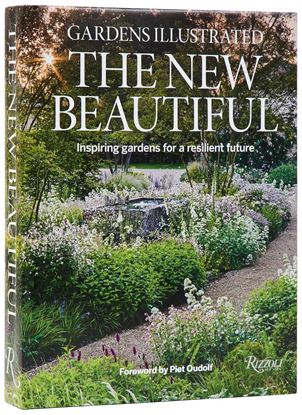
GARDES ILLUSTRATED: THE NEW BEATIFUL
Gardens Illustrated is today’s most popular gardening periodical, thanks to its lavishly photographed features on contemporary, forward-thinking gardens that focus on irresistible plants and clever designs. Through these gardens, each selected by the magazine’s editors for a truly exceptional trait, readers will visit the best new gardens from the United States, United Kingdom, and around the world. The scales range from small city spaces aiming to bring biodiversity deep into the built environment to country estates photographed with a new lens on ecology and sustainability, and were created by today’s top garden designers, including Andrea Cochran, Arabella Lennox-Boyd, Peter Korn, Dan Pearson, Andy Salter, Tom Stuart-Smith, Andy Sturgeon, Urquhart & Hunt, and Keith Wiley.
5,700
1,500
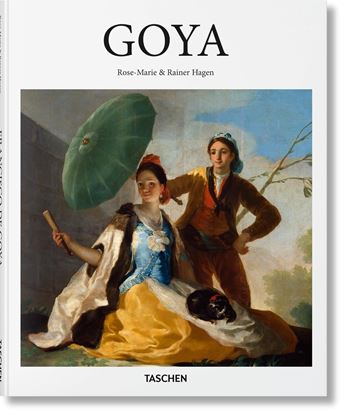
GOYA (BASIC ART SERIES 2.0)
From court portraits for the Spanish royals to horrific scenes of conflict and suffering, Francisco José de Goya y Lucientes (1746–1828) made a mark as one of Spain’s most revered and controversial artists. A master of form and light, his influence reverberates down the centuries, inspiring and fascinating artists from the Romantic Eugène Delacroix to Britart enfants terribles, the Chapman brothers.Born in Fuendetodos, Spain, in 1746, Goya was apprenticed to the Spanish royal family in 1774, where he produced etchings and tapestry cartoons for grand palaces and royal residences across the country. He was also patronized by the aristocracy, painting commissioned portraits of the rich and powerful with his increasingly fluid and expressive style. Later, after a bout of illness, the artist moved towards darker etchings and drawings, introducing a nightmarish realm of witches, ghosts, and fantastical creatures.It was, however, with his horrific depictions of conflict that Goya achieved enduring impact. Executed between 1810 and 1820, The Disasters of War was inspired by atrocities committed during the Spanish struggle for independence from the French and penetrated the very heart of human cruelty and sadism. The bleak tones, agitated brushstrokes, and aggressive use of Baroque-like light and dark contrasts recalled Velázquez and Rembrandt, but Goya’s subject matter was unprecedented in its brutality and honesty.In this introductory book from TASCHEN Basic Art 2.0 we set out to explore the full arc of Goya’s remarkable career, from elegant court painter to deathly seer of suffering and grotesquerie. Along the way, we encounter such famed portraits as Don Manuel Osorio Manrique de Zúñiga, the dazzling Naked Maja, and The 3rd of May 1808 in Madrid, one of the most heart-stopping images of war in the history of art.
1,500
1,350
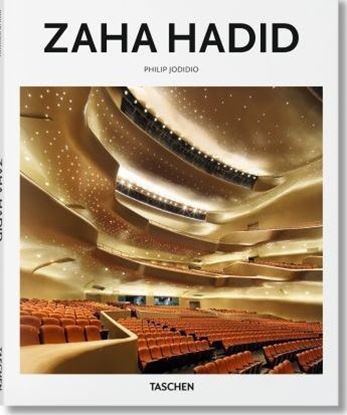
HADID (BA-ARCH) (GB)
Zaha Hadid was a revolutionary architect, who for many years built almost nothing, despite winning critical acclaim. Some even said her audacious, futuristic designs were unbuildable.
During the latter years of her life, Hadid’s daring visions became a reality, bringing a unique new architectural language to cities and structures as varied as the Rosenthal Center for Contemporary Art in Cincinnati, hailed by The New York Times as “the most important new building in America since the Cold War”; the MAXXI Museum in Rome; the Guangzhou Opera House in China; and the London 2012 Olympics Aquatics Centre.
At the time of her unexpected death in 2016, Hadid was firmly established among the elite of world architecture, recognized as the first woman to win both the Pritzker Prize for architecture and the RIBA Royal Gold Medal, but above all as a giver of new forms, the first great architect of the noughties.
From her early sharply angled buildings to later more fluid architecture that made floors, ceilings, walls, and furniture part of an overall design, this essential introduction presents key examples of Hadid’s pioneering practice. She was an artist, as much as an architect, who fought to break the old rules and crafted her own 21st-century universe.
1,350
2,800
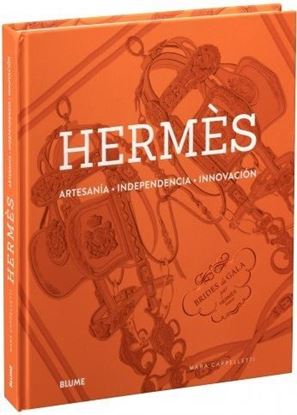
HERMES
La historia de los orígenes de la casa de moda francesa y cómo un pequeño negocio familiar se convirtió en una marca cuya independencia es su mayor fortaleza.
A través de imágenes de sus diseños icónicos, materiales de archivo, anuncios vintage y entrevistas inéditas, presenta el acceso a un mundo exclusivo y refinado.
Revela los valores, los principios, la visión y el estilo de Hermès, que convierten a la marca en un valor absoluto y a sus apasionados y fieles clientes en la mejor estrategia de marketing posible para productos que «se venden por sí mismos sin venderlos».
2,800
2,995
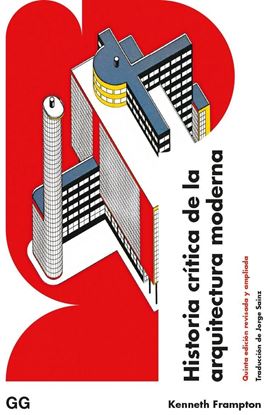
HISTORIA CRITICA DE LA ARQUITECTURA
Desde su primera edición en 1980, la Historia crítica de la arquitectura moderna de Kenneth Frampton se ha convertido en un clásico imprescindible dentro de la bibliografía académica sobre historia de la arquitectura moderna. En esta quinta edición ampliamente revisada y actualizada, el autor ha añadido una nueva y extensa sección que explora al detalle la evolución del Movimiento Moderno en la arquitectura en todo el mundo a finales del siglo xx y principios del xxi. En ella, se examinan las diversas formas en que los arquitectos no solo responden a los contextos geográficos, climáticos, materiales y culturales, sino que siguen también distintas líneas de enfoque en relación a la topografía, la morfología, la sostenibilidad y la forma cívica.
2,995
2,200
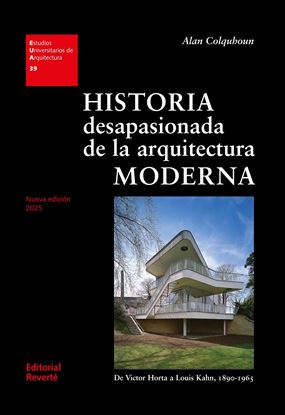
HISTORIA DESAPACIONADA DE LA ARQ. MODER.
Este libro apareció originalmente en 2002, dentro de la colección Oxford History of Art. Esta nueva edición pretende volver a plantear la vigencia de la crítica al Movimiento Moderno, de la que Alan Colquhoun fue uno de los más distinguidos representantes.
El autor analiza la evolución de la arquitectura moderna desde el Art Nouveau, surgido en la última década del siglo XIX, hasta las aportaciones de Louis Kahn, realizadas a partir de mediados de los años 1960.
El estudio analiza las complejas motivaciones que impulsaron ese Movimiento Moderno, considerado 'revolucionario', y da cuenta de sus éxitos y sus fracasos. Se repasa también la actividad de los principales protagonistas del periodo (como Frank Lloyd Wright, Adolf Loos, Ludwig Mies van de Rohe, Le Corbusier y Alvar Aalto) y se ofrece una nueva visión de su papel como maestros de reconocido prestigio.
Alan Colquhoun explica que la línea que ha seguido en la definición de la 'arquitectura moderna' es la que pertenece a la tradición que la consideraba una arquitectura consciente de su propia modernidad que luchaba en favor del cambio. El libro trata de situarse en el espacio que queda entre las utopías idealistas de las vanguardias históricas y las resistencias, complejidades y pluralidades de la cultura capitalista.
La exposición sigue una secuencia cronológica global e intenta ser, según el autor, menos segura en su resultado y menos triunfalista que la mayoría de las historias anteriores del Movimiento Moderno. Sigue siendo, principalmente, una historia de los maestros, debido a que ésa era la naturaleza del propio Movimiento Moderno, pese a sus muchas reivindicaciones en favor del anonimato.
2,200

1,950
HISTORY OF GRAPHIC DESIGN (45TH) (INT)
Through the turbulent passage of time, graphic design—with its vivid, neat synthesis of image and idea—has distilled the spirit of each age. Surrounding us every minute of every day, from minimalist packaging to colorful adverts, smart environmental graphics to sleek interfaces: graphic design is as much about transmitting information as it is about reflecting society’s cultural aspirations and values.
1,950