5,995
4,796
JACQUES DEVAULX. NAUTICAL WORKS (XL)
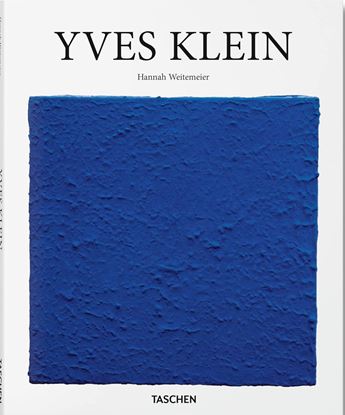
In the mid-1950s, Yves Klein (1928–1962) declared that “a new world calls for a new man.” With his idiosyncratic style and huge charisma, this bold artist would go on to pursue a brief but bountiful career, producing more than 1,000 paintings over seven years in an oeuvre now considered a mainstay of postwar modernism.Klein made his name above all with his large monochrome canvases in his own patented hue of blue. International Klein Blue (IKB), composed of pure pigment and binding medium, is at once rich and luminous, evocative and decorative, and was conceived by Klein as a means of evoking the immateriality and infinitude of the world. The works of this “Blue Revolution” seem to draw us into another dimension, as if hypnotized by a perfect summer sky. Klein was also renowned for his deployment of “living brushes,” in which naked women, daubed in International Klein Blue, would make imprints of their bodies on large sheets of paper.
5,995
4,796
5,995
4,796
MUSEO JUMEX. 10 YEARS
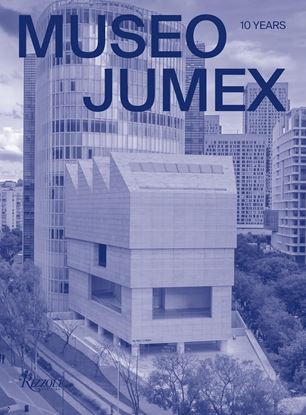
This volume celebrates the 10th anniversary of Museo Jumex, Mexico City’s most important contemporary art museum, and its unique collection.
Located in the vibrant Polanco neighborhood of Mexico City, Museo Jumex opened its doors to the public in 2013 as a one-of-a-kind museum devoted to the production and discussion of contemporary art.
Founded by Eugenio López Alonso, a pioneer in the realm of contemporary art collecting in Mexico, and designed by Sir David Chipperfield, 2023 winner of the Pritzker Architecture award, Museo Jumex has achieved international recognition for its dual mission of bringing works of renowned international artists to Mexico for the first time and elevating the work of today’s Mexican and Latin American artists.
5,995
4,796
5,995
4,796
VERMEER. LA OBRA COMPLETA (FP) (E)
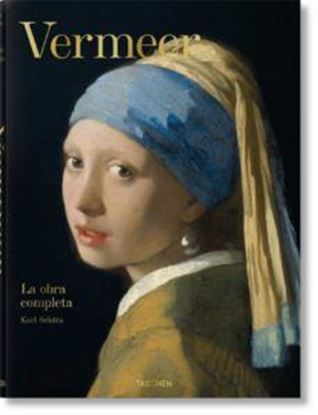
En vida, la fama de Johannes Vermeer (1632-1675) apenas sobrepasó las fronteras de su ciudad natal, Delft, y el reducido círculo de sus mecenas. Despues de su muerte, su nombre cayó largo tiempo en el olvido y fuera de Holanda sus pinturas llegaron a atribuirse erróneamente a otros artistas. No fue hasta mediados del siglo XIX cuando Vermeer llamó la atención del mundo del arte internacional que, de pronto, supo admirar su precisión narrativa, la meticulosidad de los detalles de sus texturas y los majestuosos planos lumínicos. Habían descubierto a un genio.
5,995
4,796
5,500
4,400
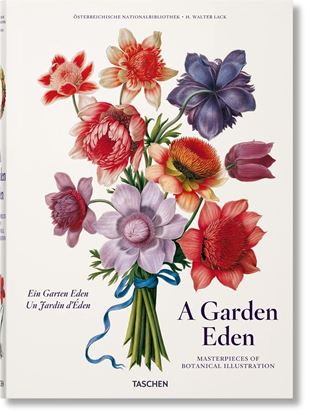
GARDEN EDEN (INT)
In pursuit of both knowledge and delight, the craft of botanical illustration has always required not only meticulous draftsmanship but also a rigorous scientific understanding. This new edition of a TASCHEN classic celebrates the botanical tradition and talents with a selection of outstanding works from the National Library of Vienna, including many new images.
5,500
4,400
5,400
4,320
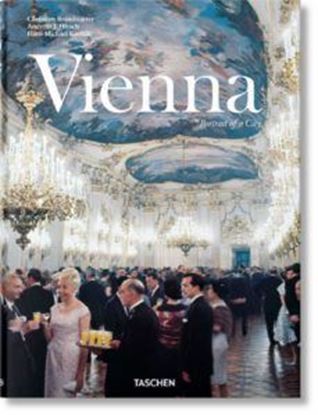
VIENNA. PORTAIT (FO) INT
Viena combina drama y elegancia como pocas ciudades. Majestuosa y sinónimo para muchos de suntuosos palacios y grandeza imperial, la urbe a orillas del Danubio fue durante siglos el corazón del Imperio austrohúngaro. Pero más allá de la exuberancia del barroco, Viena es también una de la capitales de la refinada cultura de café y de la tradición epicúrea, y atesora al mismo tiempo un patrimonio de música, arte y diseño vanguardista y exquisito que va de Johan Strauss a Egon Schiele, de Gustav Mahler a Josef Hoffmann.Vienna, Portrait of a City es un tesoro compuesto por fotografías de los últimos 175 años que repasan la evolución de la ciudad, desde que fuera capital imperial hasta convertirse en metrópolis moderna. Un paseo visual por el tiempo y el paisaje urbano con cientos de imágenes seleccionadas cuidadosamente que muestran el desarrollo arquitectónico de Viena y de las tendencias culturales e históricas que en ella se reflejan, ya sea la Ringstraße, una Gesamtkunstwerk (obra de arte total) urbana del siglo XIX, o los experimentos de la ?Viena Roja? en la década de 1920, cuando la ciudad tuvo un gobierno socialdemócrata por primera vez.
5,400
4,320
5,300
4,240
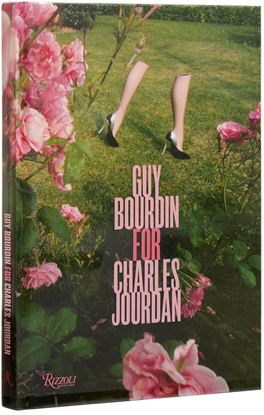
GUY BOURDIN FOR CHARLES JOURDAN
A giant of modern fashion photography, Bourdin lent his surrealist eye to the shoes and fashions of Charles Jourdan. Creating compositions full of movement, color, and sensuality, this pioneering collaboration between designer and photographer still exerts a profound influence on modern fashion photography.
The late 1960s saw some of the most dynamic periods in French fashion. And the union between Bourdin and Jourdan captured the spirit of the moment unlike any other creative partnership of the era. Jourdan, a polymath who occupied the office of both couturier and shoe designer, tapped Bourdin, a true surrealist among the fashion photographers of the age, and engaged in a creative dialogue through to Jourdan’s passing in 1976.
5,300
4,240