1,350
1,013
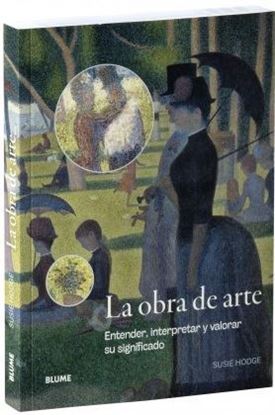
LA OBRA DE ARTE
El arte puede ser tan fascinante como frustrante. Una sola obra puede tener varios significados, y existen muchas formas de entenderla, interpretarla y apreciarla.
Este libro claro y accesible descompone grandes obras de arte en diez elementos sencillos para ayudarle a comprenderlas y apreciarlas mejor.
Además, le permitirá responder a algunas preguntas obvias, pero complicadas: «¿Cómo crea Yayoi Kusama la sensación de infinito en Luces resplandecientes de almas?» o «¿Por qué las capas de pintura de La noche estrellada de Van Gogh son tan gruesas?».
1,350
1,013
1,350
1,013
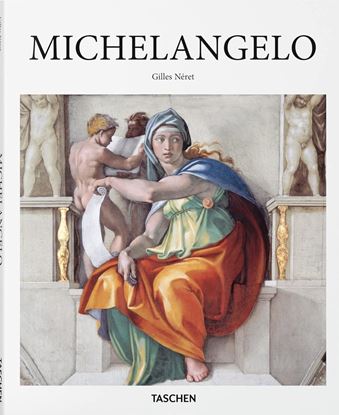
MICHELANGELO (BA) (GB)
Italian-born Michelangelo di Lodovico Buonarroti Simoni (1475–1564) was a tormented, prodigiously talented, and God-fearing Renaissance man. His manifold achievements in painting, sculpture, architecture, poetry, and engineering combined body, spirit, and God into visionary masterpieces that changed art history forever. Famed biographer Giorgio Vasari considered him the pinnacle of Renaissance achievement. His peers called him simply “Il Divino” (“the divine one”).This book provides the essential introduction to Michelangelo with all the awe-inspiring masterpieces and none of the queues and crowds. With vivid illustration and accessible texts, we explore the artist’s extraordinary figuration and celebrated style of terribilità (momentous grandeur), which allowed human and biblical drama to exist in compelling scale and fervor.
1,350
1,013
1,350
1,013
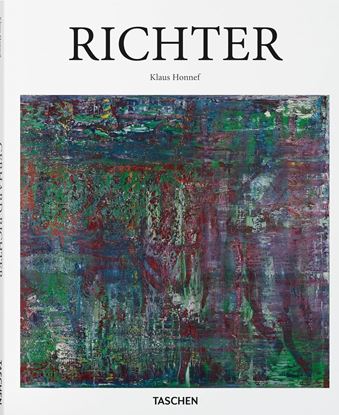
RICHTER (BA) (GB)
An encounter with Gerhard Richter, the German artist who widened horizons in the relationship between painting and reality. From early photographic paintings, along with his famous RAF cycle, to late abstract paintings, experiencing Richter’s work always offers us the unexpected and unseen. Where he once set out to liberate the medium from ideological ballast, today, faced with the overwhelming presence of digital images, he shows us the unsurpassed impact and intensity of painting. A definitive introduction to one of the greatest artists of our time spanning not only his entire career, but also 50 years of cultural, economic, and political events.
1,350
1,013
1,350
1,013
PARIS 1920S (BA) (GB)
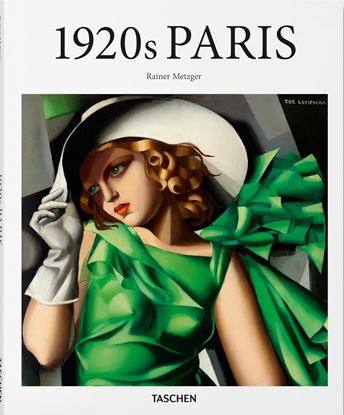
Paris is the City of Light in all its facets. In the 1920s La Ville des lumières gleams especially bright and becomes a magnet for creative people from around the world. This is the decade of Coco Chanel and Josephine Baker, Art Deco and Surrealism, café culture and cabaret. The most famous artists of the epoch, later called Classic Modernism, are in close contact and have lively exchanges with one another – including Marcel Duchamp, Francis Picabia, Pablo Picasso, René Clair, Sonia Delaunay, André Breton, Paul Éluard, Max Ernst and Salvador Dalí. The creative life and all its excesses flourish bohème is the word for this way of living. Composers like Igor Stravinsky, writers like James Joyce or Ernest Hemingway and exiles from Eastern Europe like Constantin Brancusi or Marc Chagall enrich the illustrious scene on Montparnasse.
1,350
1,013
1,350
1,013
HOKUSAI (BASIC ART) (ES)
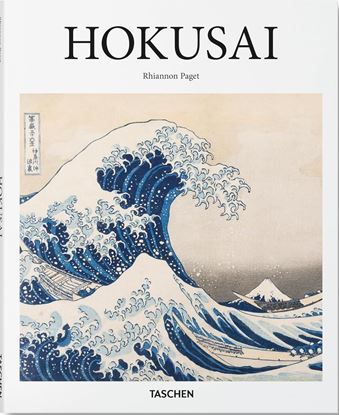
Meet the artist whose majestic breaking wave sent ripples across the world. Hokusai (1760–1849) is not only one of the giants of Japanese art and a legend of the Edo period, but also significantly influenced Western modernism, whose prolific gamut of prints, illustrations, paintings, and beyond forms one of the most comprehensive oeuvres of ukiyo-e art and a benchmark of japonisme. His influence spread through Impressionism, Art Nouveau, and beyond, enrapturing the likes of Claude Monet, Berthe Morisot, Edgar Degas, Mary Cassatt, and Vincent van Gogh.
1,350
1,013
1,350
1,013
LICHTENSTEIN (ES)
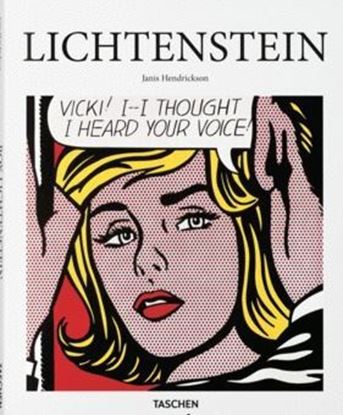
The American painter Roy Lichtenstein (1923-1997) sparked an artistic renewal in his country when he burst onto the scene dominated by Abstract Expressionism in New York in the late 1950s, defining a new creative language for a new era. With his innovative use of industrial production techniques and mundane, everyday imagery, such as cartoons, comic strips, and advertising, Lichtenstein joined contemporary artists such as Andy Warhol and James Rosenquist in portraying and satirizing American media and consumer culture.
1,350
1,013