1,995
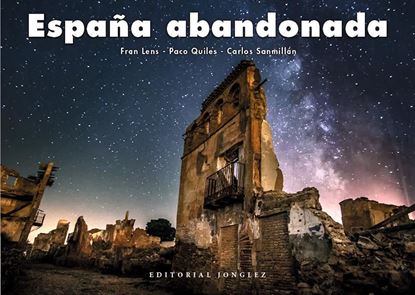
ESPAÑA ABANDONADA
Barren red deserts dotted with post-colonial ghost towns, dilapidated inner city factories, discarded country homesteads and a succession of dormant, soot-filled power stations are just a handful of the desolate, yet visually rich narratives that form part of the abandoned Australia landscape.
Digging beneath the sun-baked soil, Shane Thoms uncovers the modern ruins scattered over this arid continent and reveals a series of beautifully broken abodes hiding in the crevices of the Great Southern Land.
Whispering of both long-gone happy family moments and human darkness, of working lives and the everyday pursuits of living, these atmospheric scenes allow us to reconstruct the stories of the past. Prompting conversations about a growing, diverse country with a complicated history, these abandoned places both connect as well as contrast the past and the present and chronicle the hidden remnants of the evolving Australian story.
1,995

1,995
ESO NO ESTABA. HISTORIA DEL BLUES
¿Qué llevó a Bessie Smith a ser coronada como la Emperatriz del Blues? ¿Por qué Robert Johnson se convirtió en leyenda sin apenas dejar rastro? ¿Cómo influyeron las blueswomen en el nacimiento del rock, mucho antes de que se les reconociera? Aquí se ofrecen muchas respuestas, junto a un relato vibrante que ofrece una mirada distinta, sin prejuicios y con la intensidad de un auténtico devoto de esta música. Recorreremos, en ese fascinante viaje de ida y vuelta, los caminos que llevan desde el Delta del Misisipi a los Olympic Studios de Londres, o del Checkerboard Lounge de Chicago al Royal Albert Hall. Repletas de historias, rarezas y leyendas, estas líneas acompañan al lector en la ruta del alma negra del siglo XX. Mariano Muniesa, periodista musical de referencia, sostiene con pasión que este género es la madre de todas las músicas. Desde los Rolling Stones hasta ZZ Top, pasando por Cream, Led Zeppelin o Johnny Winter, es la savia que alimenta el árbol del rock. Todo ello sin olvidar hacer justicia a las mujeres del blues, cuyas voces han sido tan poderosas como silenciadas. Un recorrido ardiente desde los orígenes más remotos hasta su influencia en el presente, con contexto histórico, social y político. Pasen y lean
o mejor aún, pasen y sientan. Porque esto no solo se escucha: se bebe, se suda, se sangra, se siente, se respira. Abran estas páginas y compruébenlo. «Del algodón a Chicago vinieron las aguas de barro para convertirse en piedras rodantes en Inglaterra. En España, esa ola llegó en forma de rock and roll. Nadie la pudo parar. Eso es para mí el blues: una forma de arte que derribó la segregación racial en todo el mundo e inspiró a miles de jóvenes a pactar con el diablo en cruces de caminos y a alcanzar la libertad. Robert Johnson te espera, pero antes debes conocer toda la magia. Coge el mojo de la mano del gran Mariano Muniesa». Jorge Salán, guitarrista de Mägo de Oz y de The Majestic Jaywalkers
1,995
1,250
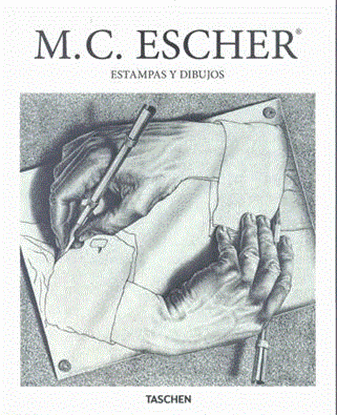
ESCHER (BA-ART)
Con sus escaleras imposibles o sus mosaicos hechos de pájaros, el artista holandés M.C. Escher (1898-1972) creó un lenguaje gráfico único de rompecabezas, patrones singulares y pautas matemáticas. Denso, complejo y construido sobre principios intrincados, su trabajo, decorativo y lúdico y al mismo tiempo, juego continuamente con las ilusiones ópticas y las limitaciones de la percepción sensorial. Para matemáticas y científicos, Escher fue un genio. Para los hippies, un pionero del arte psicodélico. Este libro introductorio se adentra en la brillante mente de Escher a través de sus obras clave, fruto de su continua investigación acerca de la imagen y la percepción. En el camino esperan peces mutando en pájaros, lagartijas que parecen escaparse de la página, reflexiones magistrales, laberintos infinitos y algunas de las imágenes más alucinantes del arte del siglo XX.
1,250
500
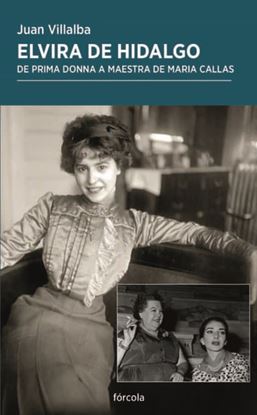
ELVIRA DE HIDALGO (OF2)
Elvira de Hidalgo (1891-1980) fue una de las más destacadas sopranos del primer tercio del siglo XX, rescatada ahora del olvido gracias a esta monumental biografía de Juan Villalba Sebastián, que ha contado con la colaboración de musicólogos y especialistas de distintas nacionalidades. Nacida en Valderrobres, Teruel, Elvira fue reconocida por todos los públicos y críticos a nivel internacional como la mejor Rosina de su epoca, la pizpireta protagonista de la popular ópera de Rossini, El barbero de Sevilla, que cantó con exito en teatros de toda Europa, Hispanoamerica y Estados Unidos. A su vez, Elvira no fue una maestra de canto al uso, y los fundamentos de sus enseñanzas se cimentaron en aquella dilatada y exitosa carrera profesional, desarrollada durante más de tres decadas. Su más famosa discípula fue Maria Callas.
500
1,995
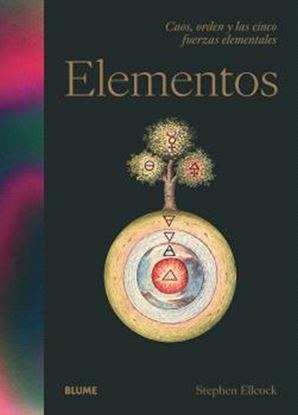
ELEMENTOS
* Tierra, agua, aire, fuego y éter: las tradiciones de antaño consideraban que tan solo cinco elementos habían emergido del caos primordial para dar forma al cosmos y ordenarlo.
* El reconocido coleccionista y alquimista de imágenes Stephen Ellcock propone una asombrosa exploración de los componentes básicos de la materia.
* Conozca la sublime belleza de los elementos, sus infinitas cualidades, su poder insondable y sus múltiples asociaciones con los planetas, las estaciones, el cuerpo humano y los signos del zodiaco.
Este excepcional compendio ahonda en el simbolismo universal de los elementos: solo si redescubrimos las correspondencias que unen todas las cosas podremos restablecer el equilibrio y la armonía en la tierra y en nuestras propias vidas.
Sumérjase en el evocador acervo visual procedente de innumerables culturas y miles de años de investigación imaginativa y científica.
1,995
1,995
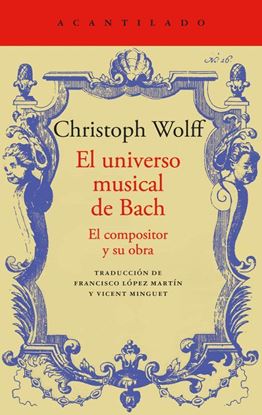
EL UNIVERSO MUSICAL DE BACH
Bach fue un compositor prolífico cuyas piezas, que se esmeró en clasificar en diversas colecciones, forman un grandioso cosmos en el que todas sus inagotables ideas musicales encuentran su lugar. En este ensayo fundamental, Wolff ahonda en el análisis de su rica colección musical, que transciende las fronteras habituales entre épocas, géneros e instrumentos. Partiendo de una notable selección de piezas desde la temprana colección de las Seis tocatas para clave hasta obras tardías como El arte de la fuga y la Misa en si menor analiza en detalle el método compositivo de Bach atendiendo a la gran variedad de géneros instrumentales y vocales que abarca, ilustrativa de la profundidad y riqueza de su obra. Al rastrear la evolución del compositor, Wolff saca a la luz las aspiraciones y el legado de este gigante de la música de un modo innovador, desvelando la esencia de su arte a neófitos y expertos por igual.
1,995