
2,250
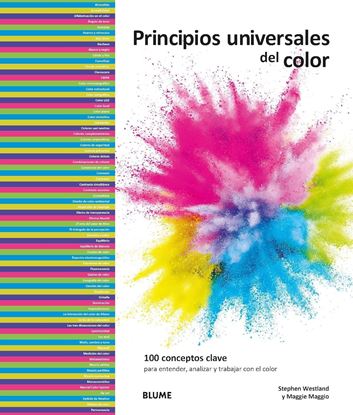
PRINCIPIOS UNIVERSALES DEL COLOR
* Descubra 100 conceptos clave y pautas interdisciplinarias imprescindibles para utilizar el color con éxito. * Profusamente ilustrado y de fácil consulta, vincula explicaciones claras de cada tema y ejemplos visuales aplicados a la teoría y la práctica. * Ya sea en una campaña de branding, un centro sanitario, el embalaje de un producto o la interfaz de una aplicación informática, el color que vemos es la materialización de un gran número de conceptos y prácticas que se unen desde múltiples disciplinas para aumentar el atractivo, influir en la percepción y mejorar la comodidad de uso. Incluye conceptos y ejemplos, con los que podrá aprender a tomar decisiones de color más cimentadas y eficaces. Un punto de referencia fundamental para diseñadores, artistas, arquitectos y estudiantes que deseen ampliar y mejorar su conocimiento y experiencia del color.
2,250
1,350
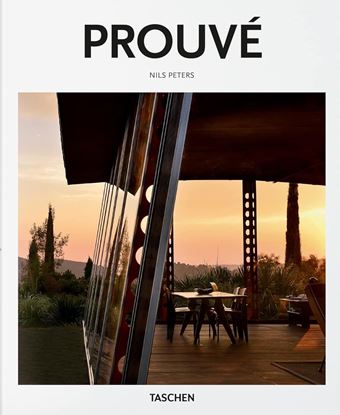
PROUVE (BASIC ART EDITION)
French-born Jean Prouvé (1901–1984) was the 20th century’s leading construction designer, a self-declared constructeur and member of the jury who oversaw the design of the Centre Pompidou in Paris. As a designer, he captured the midcentury spirit of innovation, expansion, and growth, developing techniques that united simple, striking aesthetics with practical, cost-effective materials and assembly.From vast, temporary exhibition marquees to handheld letter openers, modular building systems to interior lighting, Prouvé’s designs efficiently fitted their function with minimal fuss and understated elegance. Feted by designers, architects, and engineers the world over, Prouvé has left a rich and inspirational legacy, which resonates perfectly with the approach of this compact volume, neatly summarizing his life and works.
1,350
9,500
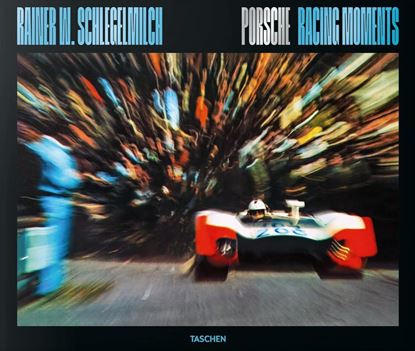
RAINER W. SCHLEGELMILCH. PORSCHE RACING
In 1962, Rainer W. Schlegelmilch had his first experience of motorsport – the 1,000 km at the Nürburgring – and it was this that sparked a lifelong passion for both Porsche and racing that still burns today.
Beginning in 1963, this wholly captivating collection of breathtaking shots transports you to another time and another world, taking you on a journey through the history of Porsche endurance racing, from Le Mans to Monza, via the Targa Florio and Spa-Francorchamps. And with his own words accompanying the pictures, Schlegelmilch shows and tells fascinating stories from track and trackside.
9,500
1,200
2,300
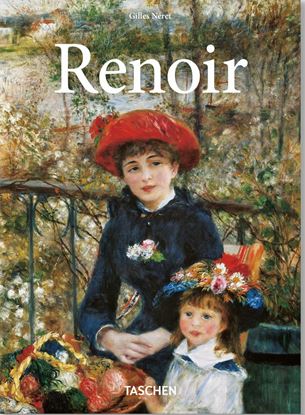
RENOIR. (40TH ED.) (E)
Eternamente cautivadoras, las pinturas de Pierre-Auguste Renoir (1841-1919) son la encarnación de la felicidad, el amor y la belleza. Basada en el libro de gran formato —la retrospectiva más completa de su obra publicada hasta la fecha—, esta edición compacta examina en detalle la historia personal del pintor y las motivaciones detrás de la leyenda. Aunque comenzó su carrera pintando paisajes en estilo impresionista, Renoir encontró su verdadera vocación en los retratos, tras lo cual abandonó por completo el impresionismo. Pese a haber sido malinterpretado con frecuencia, Renoir sigue siendo uno de los pintores más queridos de la historia, sin duda por la calidez, la ternura y la alegría de vivir que emanan sus cuadros.
En este texto magistral que detalla toda la trayectoria del artista y traza su evolución estilística, Gilles Néret muestra cómo Renoir reinventó las formas de la mujer en la pintura a través de sus diosas cotidianas de generosas curvas. La última fase en la obra de Renoir, en la que regresó al simple placer de pintar el desnudo femenino a través de su serie de bañistas, fue la más innovadora y de mayor influencia estilística, e inspiraría luego a maestros como Matisse y Picasso.
2,300

995
RETRATARTE. CUANDO CADA MIRADA ES UNA HI
Carlos del Amor va un paso más allá en el viaje a través de los cuadros que emprendió con Emocionarte. Esta vez se centra en el retrato, un género que le permite recrear las vidas de los retratados y de los artistas, y cómo estos últimos también se retratan en su forma de pintar. La elección de sus modelos o los retratos de encargo, la fidelidad realista al retratado o la percepción de este por parte del artista, el autorretrato que tantos practican, quiénes eran los modelos y qué vidas llevaban, las dificultades de acogida de la obra por parte de quien la encarga o por el público, forman parte de la historia íntima de estas obras que iremos descubriendo en el libro.
Con su característico estilo literario, Carlos del Amor nos muestra un mundo detrás de cada cuadro y, de nuevo, nos revela que han sido muchas las mujeres artistas, y muy poco conocidas hasta ahora.
995
4,800
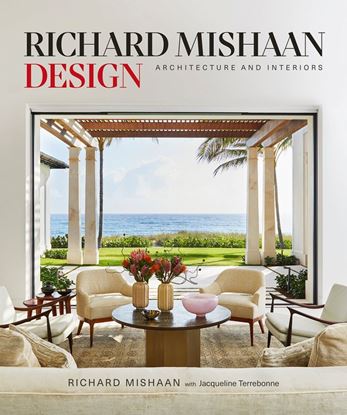
RICHARD MISHAAN DESIGN ARCHITECTURE
Richard Mishaan is renowned for his masterly integration of textiles, palettes rich in complementary shades, natural materials forged by artisans, surfaces bedecked with talismanic curios, a strategic sense of when and where to place a mirror, and a deep knowledge of both the fine and decorative arts. His many influences, including his upbringing in Colombia, coupled with his idiosyncratic perspective, explain why his sophisticated clientele return repeatedly as their lives evolve.
In Richard Mishaan Design, his working methods are revealed in projects as varied as the conversion of a 400-year-old barn in the Hamptons into a warm, inviting family home and the transformation of an ultra-modern, glass-walled New York City apartment into a comfortable yet sophisticated aerie. Here too are show houses, which he uses as experimental laboratories, working out such diverse design ideas as updating legendary designer Renzo Mongiardino’s aesthetic and achieving a chic look on a tight budget. He has also designed rooms in bespoke hotels, ranging from the Rat Pack–influenced Shelborne South Beach in Miami to the Tcherassi, a renovated 250-year-old mansion in Cartagena, Colombia.
4,800
1,350
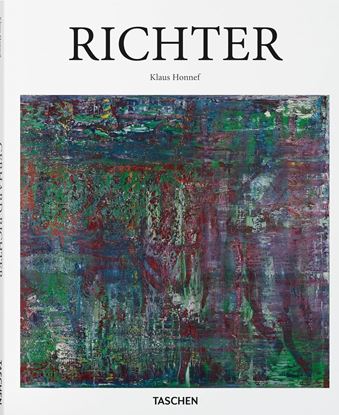
RICHTER (BA) (GB)
An encounter with Gerhard Richter, the German artist who widened horizons in the relationship between painting and reality. From early photographic paintings, along with his famous RAF cycle, to late abstract paintings, experiencing Richter’s work always offers us the unexpected and unseen. Where he once set out to liberate the medium from ideological ballast, today, faced with the overwhelming presence of digital images, he shows us the unsurpassed impact and intensity of painting. A definitive introduction to one of the greatest artists of our time spanning not only his entire career, but also 50 years of cultural, economic, and political events.
1,350
1,995
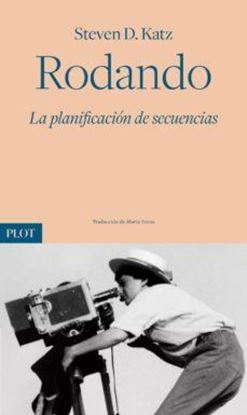
RODANDO. LA PLANIFICACION DE SECUENCIAS
RODANDO` ES EL COMPAÑERO PERFECTO PARA LOS CINEASTAS DUDOSOS TRAS LAS CÁMARAS. A LO LARGO DE SUS PAGINAS STEVEN D. KATZ ABORDA LA PLANIFICACIÓN DE SECUENCIAS DESDE TODOS LOS PUNTOS DE VISTA Y LAS CIRCUNSTANCIAS DE LA PRODUCCIÓN SIEMPRE DE UNA FORMA AMENA Y EMINENTEMENTE PRACTICA. ANTICIPA TODOS Y CADA UNO DE LOS PROBLEMAS CON LOS QUE SE ENCONTRARA EL DIRECTOR AL LLEGAR AL RODAJE: LA COREOGRAFÍA DE ACTORES Y CÁMARA LA ELECCIÓN DEL MATERIAL LA FORMA DE ECONOMIZAR TIEMPO Y RECURSOS LOS ASPECTOS RELATIVOS AL DISEÑO DE DECORADOS Y ELECCIÓN DE LOCALIZACIONES. ADEMAS LAS ENTREVISTAS A ALGUNOS DE LOS PROFESIONALES QUE AYUDARON A LA CREACIÓN DE PELÍCULAS COMO `TERMINATOR` `LOS PAJAROS` `EL GRADUADO` `E.T. EL EXTRATERRESTRE` O `TAXI DRIVER` COMPLETAN ESTE VOLUMEN.
1,995