

1,995
1,496
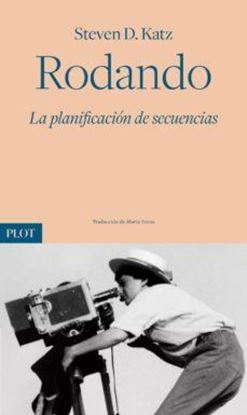
RODANDO. LA PLANIFICACION DE SECUENCIAS
RODANDO` ES EL COMPAÑERO PERFECTO PARA LOS CINEASTAS DUDOSOS TRAS LAS CÁMARAS. A LO LARGO DE SUS PAGINAS STEVEN D. KATZ ABORDA LA PLANIFICACIÓN DE SECUENCIAS DESDE TODOS LOS PUNTOS DE VISTA Y LAS CIRCUNSTANCIAS DE LA PRODUCCIÓN SIEMPRE DE UNA FORMA AMENA Y EMINENTEMENTE PRACTICA. ANTICIPA TODOS Y CADA UNO DE LOS PROBLEMAS CON LOS QUE SE ENCONTRARA EL DIRECTOR AL LLEGAR AL RODAJE: LA COREOGRAFÍA DE ACTORES Y CÁMARA LA ELECCIÓN DEL MATERIAL LA FORMA DE ECONOMIZAR TIEMPO Y RECURSOS LOS ASPECTOS RELATIVOS AL DISEÑO DE DECORADOS Y ELECCIÓN DE LOCALIZACIONES. ADEMAS LAS ENTREVISTAS A ALGUNOS DE LOS PROFESIONALES QUE AYUDARON A LA CREACIÓN DE PELÍCULAS COMO `TERMINATOR` `LOS PAJAROS` `EL GRADUADO` `E.T. EL EXTRATERRESTRE` O `TAXI DRIVER` COMPLETAN ESTE VOLUMEN.
1,995
1,496
1,995
1,496
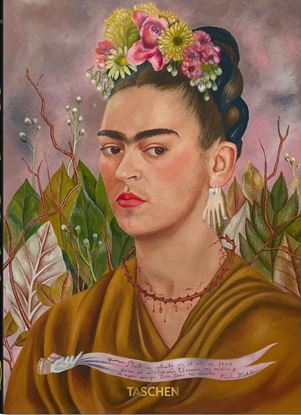
FRIDA KAHLO (40TH) (ES)
Among the few women artists who have transcended art history, none had a meteoric rise quite like Mexican painter Frida Kahlo (1907–1954). Her unmistakable face, depicted in over fifty extraordinary self-portraits, has been admired by generations; along with hundreds of photographs taken by notable artists such as Manuel and Lola Álvarez Bravo, Nickolas Muray, and Martin Munkácsi, they made Frida Kahlo an iconic image of 20th century art.After an accident in her early youth, Frida became a painter of her own free will. Her marriage to Diego Rivera in 1929 placed her at the forefront of an artistic scene not only in the cultural Renaissance of Mexico, but also in the United States. Her work garnered praise from the poet André Breton, who added the Mexican painter to the ranks of international surrealism and exhibited her work in Paris in 1939 to the admiration of Picasso, Kandinsky, and Duchamp.We access the intimacy of Frida’s affections and passions through a selection of drawings, pages from her personal diary, and an extensive illustrated biography featuring photos of Frida, Diego, and the Casa Azul, Frida’s home and the center of her universe.This book allows readers to admire Frida Kahlo’s paintings like never before, including unprecedented detail shots and famous photographs. It presents pieces in private collections and reproduces works that were previously lost or have not been exhibited for more than 80 years.
1,995
1,496
1,995
1,496
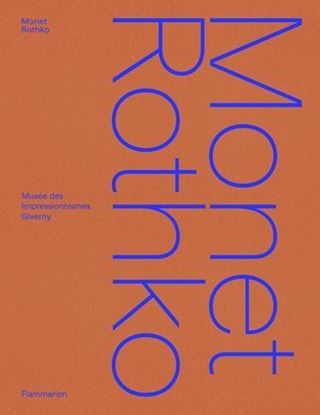
MONET-ROTHKO
This comparison of the works of Monet and Rothko provides exhilarating new insight on these pioneers of abstraction and masters of color.
Recent research on late impressionism has highlighted the surprising correspondences between the work of impressionist paragon Claude Monet and that of abstract painters such as Mark Rothko.
This book offers an unprecedented dialogue between the paintings of Monet and Rothko, two artists who explored the frontiers of abstraction. It explores the uncanny similarities between their works, painted almost half a century apart, as well as the significance of the differences between the master artists’ styles. Monet conveyed the immediacy of his impressions of nature, while Rothko plunged the viewer into the depths of colors that he superimposed and interwove.
And yet this book—originally conceived to accompany an exhibition at the Musée des Impressionnismes Giverny and illustrated with sixty chromatically organized reproductions—reveals an undeniable relationship between their pictorial universes, challenging the viewer’s perception of abstraction and modernity. This confrontation, contextualized through the analysis of renowned critics, sheds new light on the oeuvre of two of the greatest masters of painting and offers fresh insight into the essence of what makes their works so inherently original.
1,995
1,496
1,995
1,496
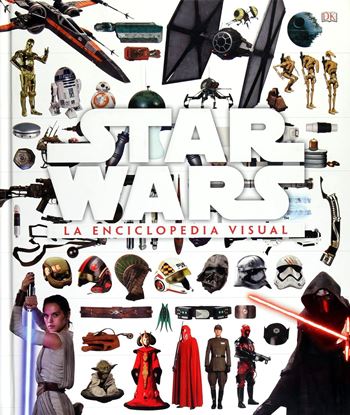
STAR WARS LA ENCICLOPEDIA VISUAL
Todos los secretos de la cultura, la ciencia, la tecnología en la geografía Star Wars™ mostrados de forma completamente visual en una galería de más de 2500 imágenes.
Este volumen cubre personajes, criaturas, planetas, vehículos, armas y tecnología entre otros muchos aspectos con explicaciones detalladas e increíbles detalles.
Con un recorrido por la historia política en la galaxia Star Wars, desde el Consejo Jedi al Imperio, cada sección de este libro en español de Star Wars se centra en diferentes temas prestando especial atención a los detalles de la saga sin importar lo pequeños que sean. Un libro imprescindible en la biblioteca de todos los fans de la saga.
- Recorre y explora toda la geografía de la galaxia
- Conoce todas las criaturas, especies animales y vegetales que habitan la galaxia
- Sumérgete en la historia y política galáctica
- Adéntrate en la cultura y las costumbres de la galaxia
- Descubre todo sobre las naves Star Wars y la tecnología galáctica
Todo ello en este libro de tapa dura de Star Wars, completamente visual.
1,995
1,496
1,995
1,496
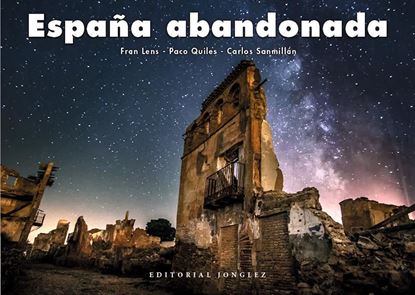
ESPAÑA ABANDONADA
Barren red deserts dotted with post-colonial ghost towns, dilapidated inner city factories, discarded country homesteads and a succession of dormant, soot-filled power stations are just a handful of the desolate, yet visually rich narratives that form part of the abandoned Australia landscape.
Digging beneath the sun-baked soil, Shane Thoms uncovers the modern ruins scattered over this arid continent and reveals a series of beautifully broken abodes hiding in the crevices of the Great Southern Land.
Whispering of both long-gone happy family moments and human darkness, of working lives and the everyday pursuits of living, these atmospheric scenes allow us to reconstruct the stories of the past. Prompting conversations about a growing, diverse country with a complicated history, these abandoned places both connect as well as contrast the past and the present and chronicle the hidden remnants of the evolving Australian story.
1,995
1,496
1,995
1,496
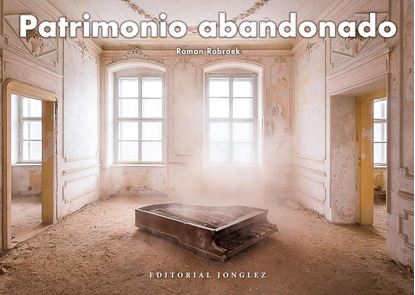
PATRIMONIO ABANDONADO
Los vestigios de Abjasia, un país que no existe, una fábrica abandonada transformada en decorados para Hollywood, la Línea Verde de Chipre, la ciudad fantasma que dejó la catástrofe de Chernóbil, un cine modernista en Bruselas, insólitas fortificaciones del siglo XVIII en Italia, la ciudad de Tskaltubo y sus “aguas de la inmortalidad”, una de las termas más antiguas de Rumanía…
Roman Robroek es un fotógrafo del sur de los Países Bajos fascinado por la arquitectura urbana. Sus espectaculares fotografías de lugares olvidados en el mundo entero han ganado múltiples premios. ¿Cuál es la historia de estos edificios? ¿Quiénes vivían en ellos? ¿Para qué servían esos objetos y por qué los abandonaron? Su insaciable curiosidad por estos temas le llevó a ser fotógrafo urbano. Patrimonio abandonado es el resultado de diez años explorando lugares fantasmales en busca de respuestas.
1,995
1,496