1,450
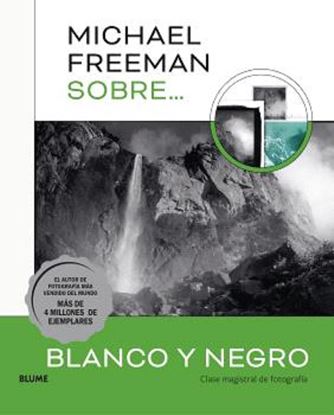
MICHAEL FREEMAN SOBRE BLANCO Y NEGRO
El autor superventas Michael Freeman aporta sus años de experiencia al estudio del estilo más perdurable y lleva la teoría y la práctica de este género clásico a la época moderna. En esta exhaustiva guía sobre la imagen en blanco y negro, Freeman estimula la creatividad personal y explica la práctica fotográfica de un modo comprensible y, por encima de todo, útil y práctico. La fotografía en blanco y negro al día, para informar e inspirar tanto a los puristas como a los nuevos practicantes de este género. La fotografía en blanco y negro no es solo la expresión más pura del proceso de creación de imágenes, sino también un camino esencial hacia una mejor comprensión de los principios fotográficos. Este libro explica cómo visualizar el mundo en blanco y negro mientras se captan imágenes y a desarrollar un instinto para poner en práctica la dinámica de la fotografía en blanco y negro.
1,450
1,450
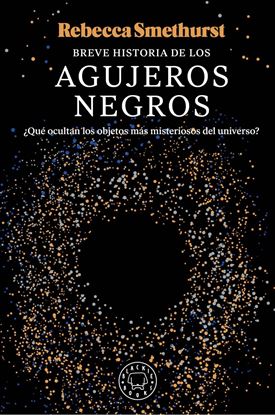
BREVE HISTORIA DE LOS AGUJEROS NEGROS
En este preciso momento estás orbitando alrededor de un agujero negro.
Rebecca Smethurst, galardonada investigadora de la Universidad de Oxford, arroja luz sobre el fenómeno más misterioso y emocionante de la astrofísica, y desarma los equívocos construidos a su alrededor para contarnos que los agujeros negros no son realmente negros. Que se parecen más a una mullida almohada que a una potente aspiradora. Que orbitamos alrededor del agujero negro supermasivo denominado Sagitario A*.
1,450
1,500
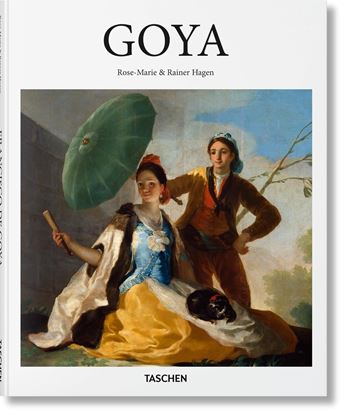
GOYA (BASIC ART SERIES 2.0)
From court portraits for the Spanish royals to horrific scenes of conflict and suffering, Francisco José de Goya y Lucientes (1746–1828) made a mark as one of Spain’s most revered and controversial artists. A master of form and light, his influence reverberates down the centuries, inspiring and fascinating artists from the Romantic Eugène Delacroix to Britart enfants terribles, the Chapman brothers.Born in Fuendetodos, Spain, in 1746, Goya was apprenticed to the Spanish royal family in 1774, where he produced etchings and tapestry cartoons for grand palaces and royal residences across the country. He was also patronized by the aristocracy, painting commissioned portraits of the rich and powerful with his increasingly fluid and expressive style. Later, after a bout of illness, the artist moved towards darker etchings and drawings, introducing a nightmarish realm of witches, ghosts, and fantastical creatures.It was, however, with his horrific depictions of conflict that Goya achieved enduring impact. Executed between 1810 and 1820, The Disasters of War was inspired by atrocities committed during the Spanish struggle for independence from the French and penetrated the very heart of human cruelty and sadism. The bleak tones, agitated brushstrokes, and aggressive use of Baroque-like light and dark contrasts recalled Velázquez and Rembrandt, but Goya’s subject matter was unprecedented in its brutality and honesty.In this introductory book from TASCHEN Basic Art 2.0 we set out to explore the full arc of Goya’s remarkable career, from elegant court painter to deathly seer of suffering and grotesquerie. Along the way, we encounter such famed portraits as Don Manuel Osorio Manrique de Zúñiga, the dazzling Naked Maja, and The 3rd of May 1808 in Madrid, one of the most heart-stopping images of war in the history of art.
1,500