

3,700
2,960
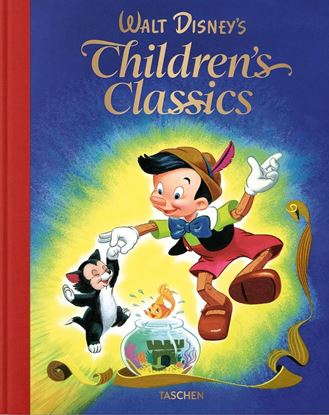
WALT DISNEYS CHILDRENS CLAS. 1937-1953
In Los Angeles during the 1940s and 1950s, Disney artists popularized illustration for children both on the big screen and in the pages of the Golden Books, a series of affordably priced children's books. These stories distilled the visual language of Disney films and brought historic and contemporary tales to life through compelling and inventive works of art. The selection of material in this book by 7 different artists reflects the variety of stylistic approaches that defined animation and illustration at the Disney studio.The book begins with an introduction to the artistic milieu that characterized the Disney studio, and each of the 10 stories is illustrated with complete original art and text. Biographies of the artists featured are included in the appendix. This hardcover anthology of vintage illustration will captivate adults and children alike.
3,700
2,960
3,700
2,960
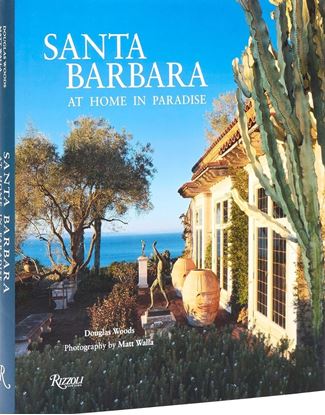
SANTA BARBARA. AT HOME IN PARADISE
With new photographs of houses steeped in the period revival tradition, from 1838 to today, not since Rizzoli’s Santa Barbara Style (2001) has a book so eloquently captured the distinctive splendor of this seaside paradise.
Known worldwide for the Santa Barbara style, the town epitomizes a type of building at once elegant and suffused with poetry. At its heart is the historic downtown, featuring white-washed Mediterranean-style stucco buildings with tile roofs and the iconic Santa Barbara Mission of 1786, whose austere beauty set the tone for all that followed. From its earliest days, the influence of this place has been felt and has since radiated across the sunbelt; it continues to be a model of emulation and inspiration. But it is the houses and the dream of living in Santa Barbara and its sister communities of Ojai, Carpinteria, Summerland, Goleta, and Montecito that casts the most profound spell.
3,700
2,960
3,700
2,960
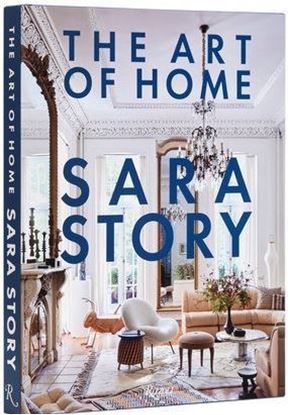
THE ART OF HOME
With a keen eye for art and having spent her childhood in Japan, Singapore, and the United States, rising star designer Sara Story brings a unique perspective to all of her projects. Drawing inspiration from her extensive travels and passion for art and fashion, her work combines bold, contemporary art with antique pieces from every corner of the world to create extraordinary homes for her clients and her own family. She exacts her aesthetic vision with a style that combines modern with bohemian, creating well-collected, polished environments that feature crisp, elegant, and comfortable design gestures.
3,700
2,960
3,750
3,000
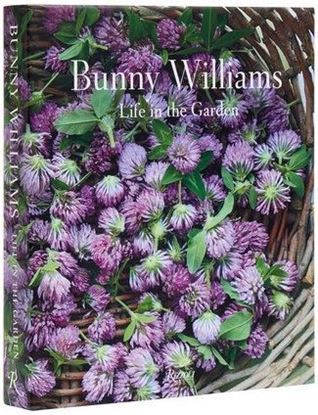
BUNNY WILLIAMS: LIFE IN THE GARDEN
This is Bunny Williams’ most ambitious book to date.
Inviting us into her impressive grounds with charming personal anecdotes, expert advice, and hundreds of stunning photographs–printed on two different speciality stocks–Bunny Williams illustrates every aspect of the gardens surrounding her eighteenth-century manor house in Northwestern Connecticut in different lights and seasons.
A popular stop on the Garden Conservancy circuit, Williams’ property boasts a parterre garden,year-round conservatory, extensive vegetable garden, orchard, woodlands, an aviary with exotic fowl, and a rustic poolside Greek Revival–style folly. Each section of the garden is accompanied by adirectory of featured plants—from native ferns and succulents to a wide variety of flowering specimens.
3,750
3,000
3,800
3,040
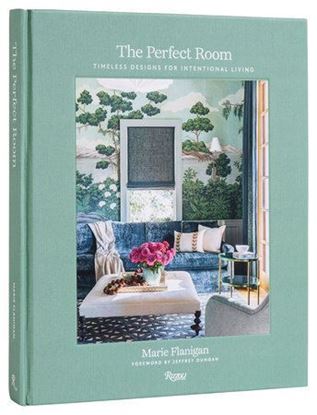
THE PERFECT ROOM
Flanigan looks at the home on a room-by-room basis, identifying common design challenges, offering solutions on how to create rooms that are aesthetically pleasing and efficient. With examples chosen from her work, she shares seasoned wisdom and creative approaches to every decision ranging from building materials and architectural details to furnishings, color, textiles, accessories, and organization.
3,800
3,040
3,800
3,040
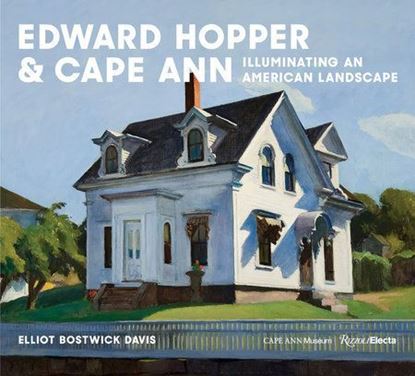
EDWARD HOPPER Y CAPE ANN
A fresh look at one of America’s best-known and beloved artists at a pivotal but little-known moment in his life that profoundly shaped both his art and career.
Edward Hopper & Cape Ann tells the largely ignored but significant origin story of Edward Hopper’s years in and around Gloucester, Massachusetts—a period and place that imbued Hopper’s paintings with a clarity and purpose that had eluded his earlier work. This volume focuses on summers Hopper spent there in the 1920s, starting in 1923, when he first embraced watercolor during outdoor painting excursions on Cape Ann and discovered one of his favorite subjects: houses and vernacular architecture. The success of Hopper’s Gloucester watercolors transformed his work in all media and set the stage for his monumental career.
Accompanying a major retrospective at the Cape Ann Museum, including an unprecedented loan of twenty-eight works from the Whitney Museum of American Art, this highly readable and beautifully illustrated volume reveals in great depth the lesser-known story about the influence of a young painter, Josephine Nivison, who became not only Hopper’s wife but also the most trusted force underlying his artistic confidence. Here she is recast as principal producer of Hopper’s distinctive style and his “brand” visionary from the time of their courtship until his death in 1967.
3,800
3,040