4,995
3,746
4,995
3,746
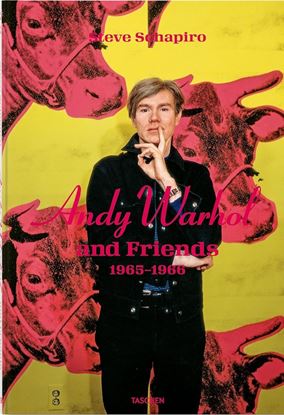
ANDY WARHOL AND FRIENDS
In 1965, Steve Schapiro started documenting Andy Warhol for LIFE magazine: Warhol was cementing a reputation as an important Pop artist who drew his inspiration from popular culture and commercial objects. With his sunglasses, blond wig, and bland public utterances, Warhol was enigmatic, charismatic, intensely ambitious, and aware that to become a star, you needed the presence of people to document your ascent. Schapiro, also ambitious and hardworking, who in his own words “kept quiet and smiled a lot,” was an ideal witness to Warhol’s relentless rise from cult New York artist to 20th-century icon. Ironically, LIFE never published the story, so many of these images are seen here for the first time, scanned from negatives found deep in Schapiro’s archive.
4,995
3,746
5,200
3,900
5,300
3,975
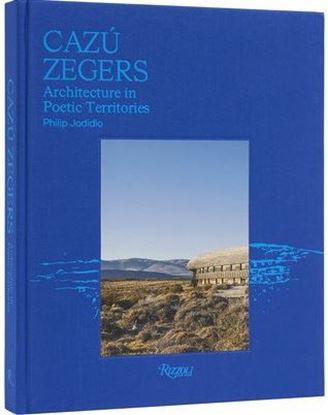
CAZU ZEGERS. ARCHITECTURE IN POETIC
This is the first major book on Zegers, who practices an intensely artistic and ecological form of architecture based on landscapes in which she builds. Working frequently in timber, Zegers reaches unique, sustainable, and recyclable solutions that combine and rescue the traditional work of Chilean carpenters with modern techniques. In an almost metaphysical journey, in which organic forms, curves, diagonals, and verticals are combined, Zegers affirms her rising presence as a force in ecologically minded architecture.
5,300
3,975
5,300
3,975
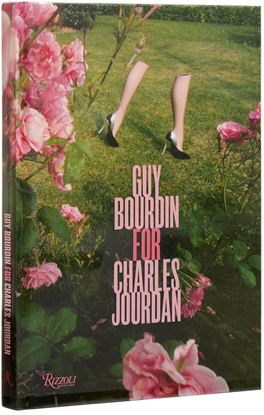
GUY BOURDIN FOR CHARLES JOURDAN
A giant of modern fashion photography, Bourdin lent his surrealist eye to the shoes and fashions of Charles Jourdan. Creating compositions full of movement, color, and sensuality, this pioneering collaboration between designer and photographer still exerts a profound influence on modern fashion photography.
The late 1960s saw some of the most dynamic periods in French fashion. And the union between Bourdin and Jourdan captured the spirit of the moment unlike any other creative partnership of the era. Jourdan, a polymath who occupied the office of both couturier and shoe designer, tapped Bourdin, a true surrealist among the fashion photographers of the age, and engaged in a creative dialogue through to Jourdan’s passing in 1976.
5,300
3,975
5,400
4,050
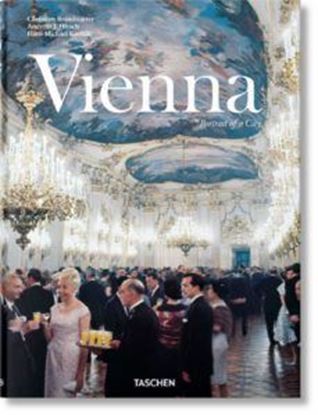
VIENNA. PORTAIT (FO) INT
Viena combina drama y elegancia como pocas ciudades. Majestuosa y sinónimo para muchos de suntuosos palacios y grandeza imperial, la urbe a orillas del Danubio fue durante siglos el corazón del Imperio austrohúngaro. Pero más allá de la exuberancia del barroco, Viena es también una de la capitales de la refinada cultura de café y de la tradición epicúrea, y atesora al mismo tiempo un patrimonio de música, arte y diseño vanguardista y exquisito que va de Johan Strauss a Egon Schiele, de Gustav Mahler a Josef Hoffmann.Vienna, Portrait of a City es un tesoro compuesto por fotografías de los últimos 175 años que repasan la evolución de la ciudad, desde que fuera capital imperial hasta convertirse en metrópolis moderna. Un paseo visual por el tiempo y el paisaje urbano con cientos de imágenes seleccionadas cuidadosamente que muestran el desarrollo arquitectónico de Viena y de las tendencias culturales e históricas que en ella se reflejan, ya sea la Ringstraße, una Gesamtkunstwerk (obra de arte total) urbana del siglo XIX, o los experimentos de la ?Viena Roja? en la década de 1920, cuando la ciudad tuvo un gobierno socialdemócrata por primera vez.
5,400
4,050