



3,995
2,996
XAVIER VEILHAN CHANEL
The House of Chanel offers rare access behind the scenes to three haute couture runway shows designed in dialogue with contemporary artist Xavier Veilhan.
Virginie Viard, artistic director for Chanel’s fashion collections, entrusted Xavier Veilhan with the set design for three consecutive haute couture shows: Spring‒Summer 2022, Fall‒Winter 2022/23, and Spring‒Summer 2023. This unusually long dialogue resulted in an original visual universe, blending Veilhan’s poetic imagination, his reinterpretation of the Chanel world, and the infinite delicacy of Virginie Viard’s haute couture creations.
3,995
2,996
3,800
2,850
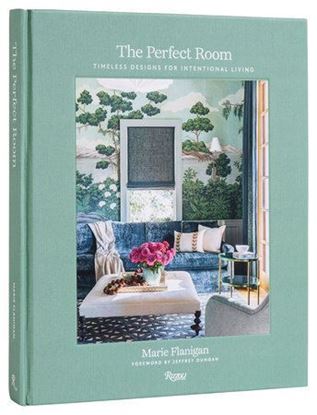
THE PERFECT ROOM
Flanigan looks at the home on a room-by-room basis, identifying common design challenges, offering solutions on how to create rooms that are aesthetically pleasing and efficient. With examples chosen from her work, she shares seasoned wisdom and creative approaches to every decision ranging from building materials and architectural details to furnishings, color, textiles, accessories, and organization.
3,800
2,850
3,800
2,850
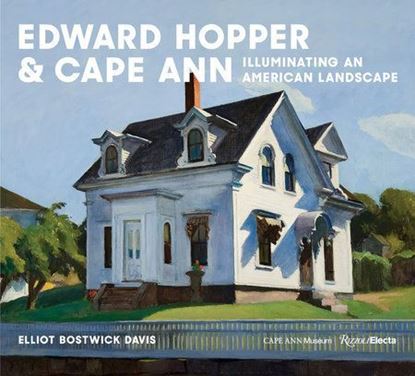
EDWARD HOPPER Y CAPE ANN
A fresh look at one of America’s best-known and beloved artists at a pivotal but little-known moment in his life that profoundly shaped both his art and career.
Edward Hopper & Cape Ann tells the largely ignored but significant origin story of Edward Hopper’s years in and around Gloucester, Massachusetts—a period and place that imbued Hopper’s paintings with a clarity and purpose that had eluded his earlier work. This volume focuses on summers Hopper spent there in the 1920s, starting in 1923, when he first embraced watercolor during outdoor painting excursions on Cape Ann and discovered one of his favorite subjects: houses and vernacular architecture. The success of Hopper’s Gloucester watercolors transformed his work in all media and set the stage for his monumental career.
Accompanying a major retrospective at the Cape Ann Museum, including an unprecedented loan of twenty-eight works from the Whitney Museum of American Art, this highly readable and beautifully illustrated volume reveals in great depth the lesser-known story about the influence of a young painter, Josephine Nivison, who became not only Hopper’s wife but also the most trusted force underlying his artistic confidence. Here she is recast as principal producer of Hopper’s distinctive style and his “brand” visionary from the time of their courtship until his death in 1967.
3,800
2,850