


1,350
MAX ERNST (BA-ART) (E)
Max Ernst (1891-1976) transformó todo lo que tocó con una originalidad artística sin igual. Se convirtió en una de las figuras más importantes del dadaísmo y del surrealismo que ensanchó las fronteras del arte y rompió con la visión limitada de la cultura de su tiempo. Impulsado por la reacción a los horrores de la Primera Guerra Mundial, se convirtió en un pionero del movimiento dadaísta. La cancelación de la famosa exposición dadá en Colonia por “obscenidad” llevó a Ernst a pasar el resto de su vida en París, donde entró en contacto con los surrealistas.Por encima de todo, Ernst destaca por la variedad de estilos y técnicas que empleó. Su obra abarca desde la pintura, el dibujo y la escultura, pasando por textos y escenografías, hasta novelas de collage y el desarrollo de su propia técnica de frottage. Durante la Segunda Guerra Mundial, Ernst, como muchos de sus colegas, se convirtió en un “extranjero indeseable” y se vio obligado a emigrar, aunque regresó a Francia después de la guerra. Siguió desarrollando una carrera que abarcó décadas, y en 1954 recibió el Gran Premio de Pintura en la Bienal de Venecia.Este libro es un viaje por la magia, la intensidad y la fantasía. Es una puerta de entrada a la mente y el mundo complejo de Max Ernst.
1,350
1,350
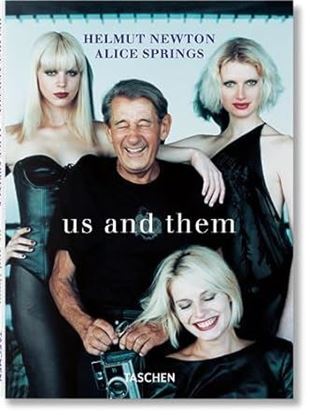
HELMUT NEWTON & ALICE SPRINGS
Un proyecto como este es algo excepcional, sin equivalentes antes ni despues: una pareja casada de fotógrafos publican autorretratos muy personales, incluso íntimos, y retratos mutuos tomados durante decadas, y complementa esas fotografías privadas con imágenes de personajes y celebridades de la jet-set. En 1998, Helmut y June Newton publicaron su legendario proyecto conjunto Us and Them en forma de libro y tambien en exposiciones complementarias. La primera parte de Us and Them, una historia incomparable de cincuenta y cinco años de convivencia y amor, nos ofrece una visión de la vida privada de los fotógrafos.Es una especie de diario fotográfico que documenta la vida que compartieron Helmut y June Newton por medio de las instantáneas que tomaron el uno del otro.
1,350

1,350
PLEASE, PLEASE TELL ME NOW
En Please, Please Tell Me Now, el reconocido biógrafo de rock Stephen Davis cuenta la historia de Duran Duran. Su apariencia de niños buenos les convirtió en estrellas, pero fue su brillante maestría musical lo que los llevó a una serie de éxitos número uno. A finales de la década habían vendido 60 millones de álbumes; a día de hoy, más de 100 millones.
Davis remonta sus raíces al austero malestar británico de la década de los 70. Guapos, británicos y jóvenes, Duran Duran fueron quienes encabezaron el concierto Live Aid y la banda se movía en los círculos más glamurosos: Nick Rhodes (teclista) se hizo cercano a Andy Warhol y a la princesa Diana y John Taylor (bajista) salió con la chica mala por excelencia, Amanda De Cadanet. Con éxitos atemporales como «Hungry Like the Wolf», «Girls on film», «Save A Prayer» o el tema más vendido de James Bond, «A View To a Kill».
Con entrevistas exclusivas con la banda y fotos nunca antes publicadas de sus archivos personales, este libro ofrece el relato definitivo de una de las bandas más importantes en la historia de la música.
1,350

1,350
EL CASO FURTWANGLER
Wilhelm Furtwängler (1886-1954) fue el representante más eminente de la gran «tradición alemana». Considerado, junto con Karajan, Bernstein o Carlos Kleiber, uno de los más legendarios directores de orquesta del siglo XX, por sus interpretaciones -donde algunos creen traslucir cierta noción de verdad-, Furtwängler fue y será siempre, para muchos, una especie de oráculo. La valía de su legado es más que evidente y sus grabaciones continúan siendo una referencia. Pero la clave de su permanencia en el inconsciente colectivo trasciende lo estrictamente musical. Para la política cultural nazi, la música jugó un papel de suma relevancia, destinada a cimentar la superioridad del pueblo alemán, su grandeza y eternidad, lo que llevó a apropiarse de los grandes clásicos alemanes y austríacos bajo la denominación ideológica de «música alemana». Sin la participación de los músicos coetáneos, dicha política cultural del Reich no hubiese sido posible.
1,350
1,350
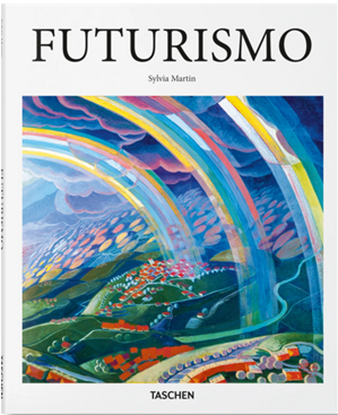
FUTURISMO (BA-ART) (E)
En lienzos rebosantes de luz, color y velocidad, los futuristas crearon uno de los testimonios más vívidos del giro tecnológico del siglo xx. Este libro presenta las figuras clave, influencias y controversias de un movimiento, que defendía el progreso y glorificaba la guerra y, al mismo tiempo, despreciaba la feminidad y socavaba la élite de la academia.
1,350
1,350
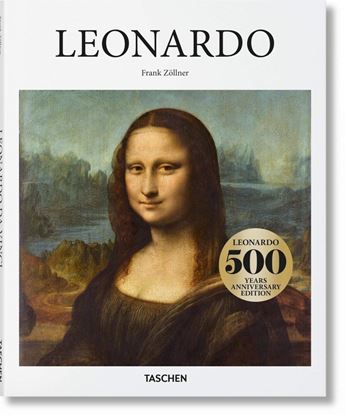
LEONARDO (BA-ART)
Filling notebook after notebook with sketches, inventions, and theories, Leonardo da Vinci (1452–1519) not only stands as one of the most exceptional draftsmen of art history, but also as a mastermind and innovator who anticipated some of the greatest discoveries of human progress, sometimes centuries before their material realization.
From the smallest arteries in the human heart to the far-flung constellations of the universe, Leonardo saw nature and science as being unequivocally connected. His points of inquiry and invention spanned philosophy, anatomy, geology, and mathematics, from the laws of optics, gravitation, heat, and light to the building of a flying machine.
In his painting, Leonardo steered art out of the Middle Ages with works such as The Last Supper and the world-famous La Gioconda or Mona Lisa depicting not only physical appearances, but a compelling psychological intrigue and depth which continues to draw crowds of mesmerized visitors to masterpieces in Paris, Milan, Washington, London, and Rome.
This book brings together some of Leonardo’s most outstanding work to introduce a figure of infinite curiosity, feverish imagination, and sublime artistic ability, often described as having “not enough worlds for to conquer, and not enough lives for to live” (Alan Woods).
1,350