1,350
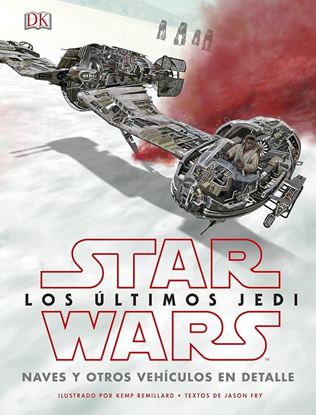
STAR WARS. ULTIMOS JEDI NAVES Y OTROS
Este fantástico libro muestra por dentro trece vehículos de la película Star Wars. Los últimos Jedi.
Cada vehículo se ilustra a todo color y va acompañado de leyendas que describen todos sus rasgos relevantes.
Estas ilustraciones, junto con un exhaustivo texto, hacen de este volumen una de las mejores guías para la nueva incursión en la galaxia Star Wars.
1,350
1,350
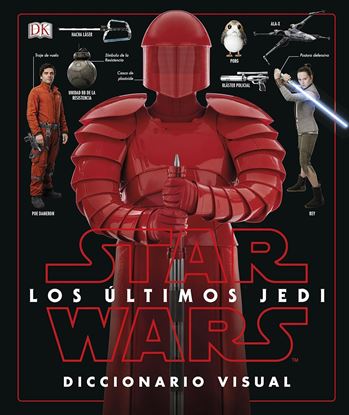
STAR WARS. ULTIMO JEDI DICCIONARIO VISUA
El Diccionario Visual de Star Wars. Los últimos Jedi presenta a todos los personajes, criaturas, droides, localizaciones y tecnología de la película.
Con más de un centenar de imágenes e información de la mano de Pablo Hidalgo, creador de contenidos de Star WarsTM, es un libro imprescindible para todos aquellos fans que quieren ir más allá de la experiencia cinematográfica.
1,350
1,350
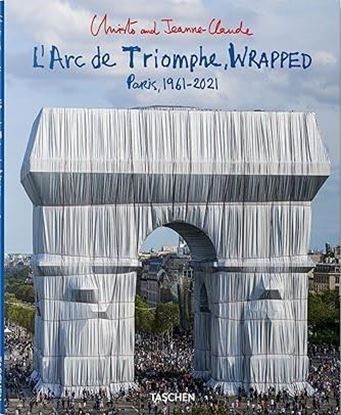
LARC DE TRIOMPHE, WRAPPED (VA) (INT)
1961, three years after meeting Jeanne-Claude in Paris, Christo made a study of a mammoth project that would wrap one of the city’s most emblematic monuments. 60 years, 25,000 square meters of recyclable fabric, and 3,000 meters of rope later, the artists' vision finally came true. Discover their posthumous installation with this book gathering photography, drawings, and a history of the project's making.
Like most of Christo and Jeanne-Claude's work, L'Arc de Triomphe, Wrapped is temporary and runs for 16 days from Saturday, September 18 to Sunday, October 3, 2021. Carried out in close collaboration with the Centre des Monuments Nationaux, the historic structure is wrapped in recyclable polypropylene fabric in silvery blue and recyclable red rope.
1,350
1,350
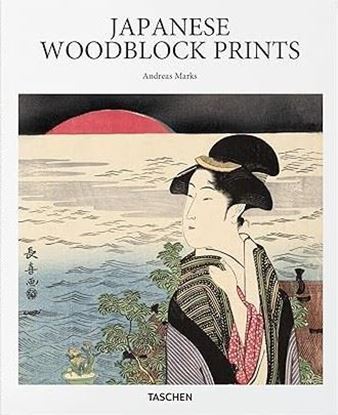
JAPANESE WOODBLOCK PRINTS (BA-ART) (GB)
From Edouard Manet’s portrait of naturalist writer Émile Zola sitting among his Japanese art finds to Van Gogh’s meticulous copies of the Hiroshige prints he devotedly collected, 19th-century pioneers of European modernism made no secret of their love of Japanese art. In all its sensuality, freedom, and effervescence, the woodblock print is single-handedly credited with the wave of japonaiserie that first enthralled France and, later, all of Europe—but often remains misunderstood as an “exotic” artifact that helped inspire Western creativity.
1,350
1,350
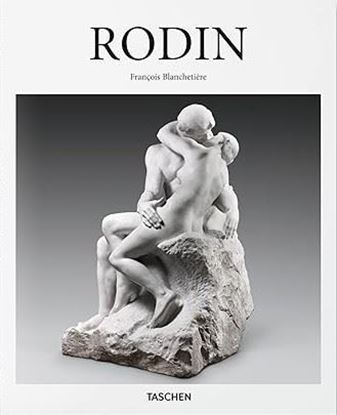
RODIN (BA-ART) (GB)
While anchoring his practice in the traditions of antiquity and the Renaissance, Auguste Rodin (1840–1917) paved the way for modern sculpture. From a very early stage, he was interested in movement, the expression of the body, chance effects, and the incomplete fragment. It was these elements that gave shape, and the impression of life, to such famous works as The Kiss and The Thinker.
1,350
1,350
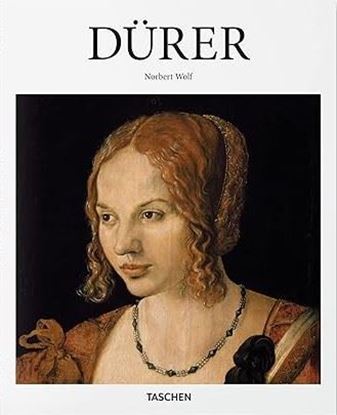
DURER (BA-ART) (GB)
A polymath of the German Renaissance, Albrecht Dürer (1471–1528) was a prolific artist, theorist, and writer whose works explored everything from religion to art theory to philosophy. His vast body of work includes altarpieces, portraits, self-portraits, watercolors, and books, but is most celebrated for its astonishing collection of woodcut prints, which transformed printmaking from an artisan practice into a whole new art form.
1,350