

1,350
1,013
RODIN (BA-ART) (GB)
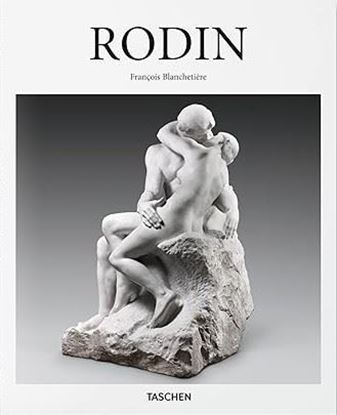
While anchoring his practice in the traditions of antiquity and the Renaissance, Auguste Rodin (1840–1917) paved the way for modern sculpture. From a very early stage, he was interested in movement, the expression of the body, chance effects, and the incomplete fragment. It was these elements that gave shape, and the impression of life, to such famous works as The Kiss and The Thinker.
1,350
1,013
1,350
1,013
VIENNA 1900 (BA-ART) (GB)
Poets and intellectuals brushed shoulders in bustling coffeehouses, young avant-gardists heralded a new era in social and sexual liberalism, waltzes resounded through the Ringstrasse, the Vienna Secession preached: “To every age its art — to every art its freedom;” and tremors warned of looming political disintegration when the Austrian capital passed into a new century.
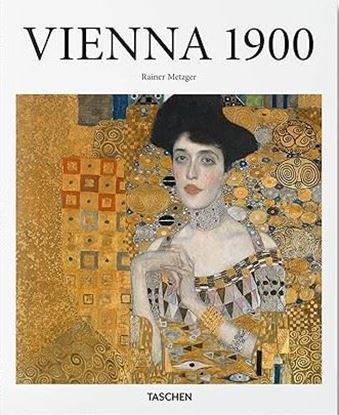
Across economics, science, art, and music, Vienna blossomed into a “laboratory of modernity,” one which nurtured some of the greatest artistic innovators—from Egon Schiele’s unflinching nude portraits to Gustav Klimt’s decadent Portrait of Adele Bloch-Bauer I, from the ornamental seams and glass floors of Otto Wagner to Ditha Moser’s calendars adorned in golden deities.
1,350
1,013
1,350
1,013
LE CORBUSIER (BA) (GB)
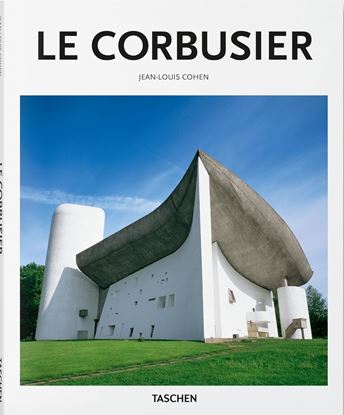
Born Charles-Édouard Jeanneret, Le Corbusier (1887–1965) is widely acclaimed as the most influential architect of the 20th century. From private villas to mass social housing projects, his radical ideas, designs, and writings presented a whole-scale reinvention not only of individual structures, but of entire concepts of modern living.
1,350
1,013