

1,250
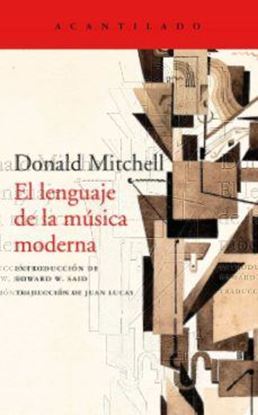
EL LENGUAJE DE LA MUSICA MODERNA
En este extraordinario ensayo publicado originalmente en 1963, Donald Mitchell examina con gran perspicacia y sensibilidad los valores filosóficos y estéticos que determinaron el lenguaje de la música del siglo xx. Para ello se centra en las figuras de Schoenberg y Stravinski, representantes de dos estilos genuinamente modernos y de una nueva sensibilidad. Mediante la rigurosa aplicación de técnica y construcción formal, ambos compositores dotaron a la música de nuevos vocabularios y transformaron las convenciones de escucha y composición para siempre. Dado el carácter multidisciplinar de este ensayo, los años lo han elevado al estatus de clásico no sólo en el campo de la musicología, sino también de los estudios culturales.
1,250
6,700
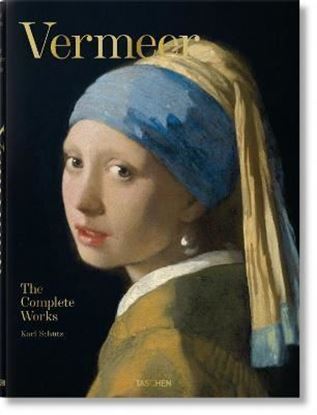
VERMEER. THE COMPLETE WORKS (GB)
His works have prompted a New York Times bestseller; a film starring Scarlett Johansson and Colin Firth; record visitor numbers at art institutions from Amsterdam to Washington, DC; and special crowd-control measures at the Mauritshuis, The Hague, where thousands flock to catch a glimpse of the enigmatic and enchanting Girl with a Pearl Earring, also known as the “Dutch Mona Lisa”.
In his lifetime, however, the fame of Johannes Vermeer (1632–1675) barely extended beyond his native Delft and a small circle of patrons. After his death, his name was largely forgotten, except by a few Dutch art collectors and dealers. Outside of Holland, his works were even misattributed to other artists. It was not until the mid-19th century that Vermeer came to the attention of the international art world, which suddenly looked upon his narrative minutiae, meticulous textural details, and majestic planes of light, spotted a genius, and never looked back.
6,700
1,350
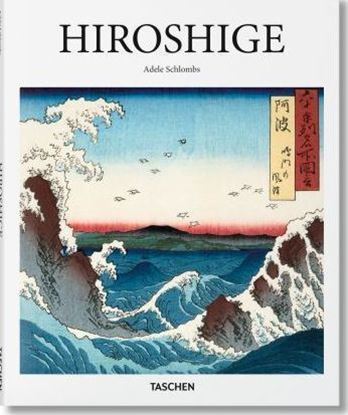
HIROSHIGE (BASIC ART EDITION) GB
Utagawa Hiroshige (1797–1858) was one of the last great artists in the ukiyo-e tradition. Literally meaning “pictures of the floating world,” ukiyo-e was a particular woodblock print genre of art that flourished between the 17th and 19th centuries. Subjects ranged from the bright lights and attractions of Edo (modern-day Tokyo), to spectacular natural landscapes.
In the West, Hiroshige’s prints became exemplary of the Japonisme that swept through Europe and defined the Western world’s visual idea of Japan. Because they could be mass produced, ukiyo-e works were often used as designs for fans, greeting cards, and book illustrations. The style influenced Impressionist, Post-Impressionist, and Art Nouveau artists alike, with Vincent van Gogh and James Abbott McNeill Whistler both particularly inspired by Hiroshige’s landscapes.
1,350