

2,550
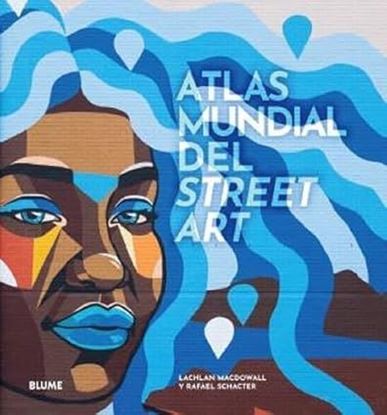
ATLAS MUNDIAL DEL STREET ART
Este histórico estudio del street art internacional se sitúa en el punto en el que confluyen el arte y el atlas. Organizado por continentes y ciudades (desde Nueva York, Los Ángeles y Montreal, en Angloamérica, pasando por Ciudad de México y Buenos Aires, en Iberoamérica, hasta Londres, Berlín y Madrid, en Europa, así como Sídney y Tokio, en el Pacífico), se presentan los perfiles de más de cien de los artistas más importantes de la actualidad y más de setecientas asombrosas obras de arte. Un testimonio de cómo este variado movimiento artístico contemporáneo se ha convertido en un auténtico fenómeno global: se narra la evolución del arte urbano en cada región y se proporciona un contexto histórico esencial. Desde su génesis en la Costa Este de Estados Unidos a finales de la década de 1960, el street art y el grafiti han viajado a casi todos los rincones del planeta y han dado lugar a nuevos estilos muy floridos y dinámicos. Al exponer sus obras en la galería más grande y abierta del mundo, los grafiteros y artistas urbanos muestran sus creaciones a un público que no puede evitarlas, con lo que desafían las ideas convencionales sobre el lugar del arte en la vida cotidiana. Desde Steve Powers (ESPO), en Nueva York, hasta Ian Strange, en Australia, pasando por el Londres de Eine, el París transfigurado por Honet y OX, y los gigantescos murales de los brasileños Os Gêmeos, esta es la primera historia genuinamente geográfica de esta forma de arte.
2,550
1,350
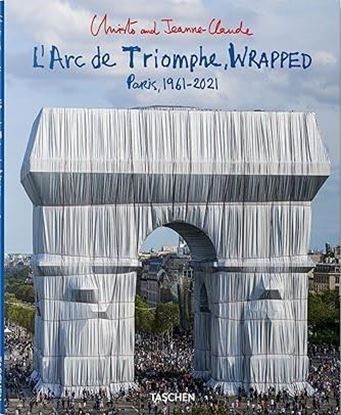
LARC DE TRIOMPHE, WRAPPED (VA) (INT)
1961, three years after meeting Jeanne-Claude in Paris, Christo made a study of a mammoth project that would wrap one of the city’s most emblematic monuments. 60 years, 25,000 square meters of recyclable fabric, and 3,000 meters of rope later, the artists' vision finally came true. Discover their posthumous installation with this book gathering photography, drawings, and a history of the project's making.
Like most of Christo and Jeanne-Claude's work, L'Arc de Triomphe, Wrapped is temporary and runs for 16 days from Saturday, September 18 to Sunday, October 3, 2021. Carried out in close collaboration with the Centre des Monuments Nationaux, the historic structure is wrapped in recyclable polypropylene fabric in silvery blue and recyclable red rope.
1,350
1,650
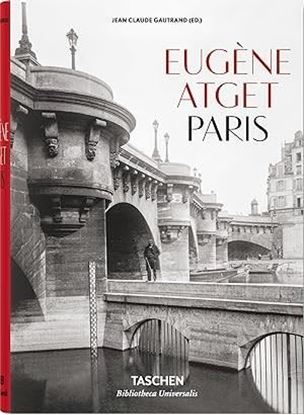
EUGENE ATGET, PARIS (BU) (INT)
A flâneur and photographer at once, Eugène Atget (1857–1927) was obsessed with walking the streets. After trying his hand at painting and acting, the native of Libourne turned to photography and moved to Paris. He supplied studies for painters, architects, and stage designers, but became enraptured by what he called “documents” of the city and its environs. His scenes rarely included people, but rather the architecture, landscape, and artifacts that made up the societal and cultural stage.
1,650
1,350
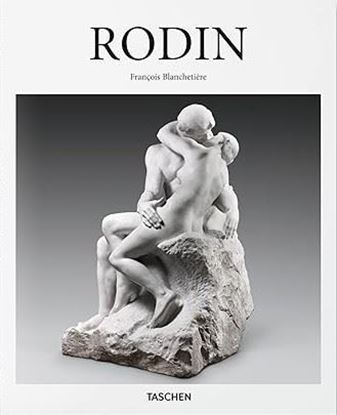
RODIN (BA-ART) (GB)
While anchoring his practice in the traditions of antiquity and the Renaissance, Auguste Rodin (1840–1917) paved the way for modern sculpture. From a very early stage, he was interested in movement, the expression of the body, chance effects, and the incomplete fragment. It was these elements that gave shape, and the impression of life, to such famous works as The Kiss and The Thinker.
1,350
1,350
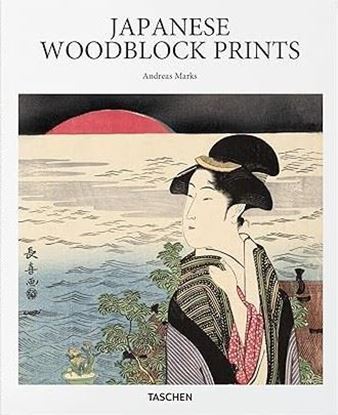
JAPANESE WOODBLOCK PRINTS (BA-ART) (GB)
From Edouard Manet’s portrait of naturalist writer Émile Zola sitting among his Japanese art finds to Van Gogh’s meticulous copies of the Hiroshige prints he devotedly collected, 19th-century pioneers of European modernism made no secret of their love of Japanese art. In all its sensuality, freedom, and effervescence, the woodblock print is single-handedly credited with the wave of japonaiserie that first enthralled France and, later, all of Europe—but often remains misunderstood as an “exotic” artifact that helped inspire Western creativity.
1,350
1,350
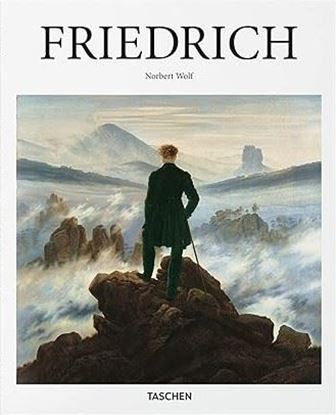
FRIEDRICH (BA-ART) (ES)
La belleza de la naturaleza y la soledad del hombre son temas dominantes en la obra de Caspar David Friedrich (1774-1840). El artista con frecuencia dispone una pequeña figura humana en un amplio paisaje, como en sus famosos lienzos Monje a la orilla del mar y El caminante sobre el mar de nubes. Durante mucho tiempo, la importancia y la influencia de este gran pintor romántico fueron subestimadas. Cuando murió, Friedrich había sido olvidado ya por sus coetáneos y no fue redescubierto hasta principios del siglo xx. Actualmente, se le considera el pintor alemán más importante de su generación y un precursor del expresionismo.
1,350