

500
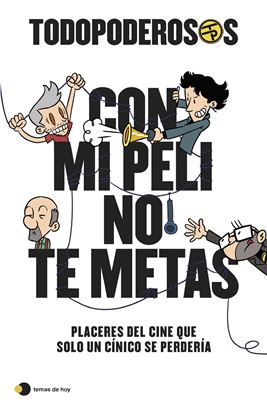
TODOPODEROSOS: CON MI PELI NO TE(OF2)
Cine y humor de la mano del podcast cultural con la comunidad más sólida de España.
El primer libro de Todopoderosos.
Todos tenemos películas supuestamente malas que no podemos dejar de ver una y otra vez. Cintas denostadas por público y crítica que, por diversos motivos, se nos han quedado pegadas, se han ganado un lugar en nuestro corazón.
Armados de argumentos, referencias y sentido del humor, Juan Gómez- Jurado, Rodrigo Cortés, Javier Cansado y Arturo González-Campos defienden en este libro este tipo de películas. A través de joyas desconocidas, placeres culpables, obras nostálgicas y bodrios divertidísimos, nos invitan a reconectar con el cine más allá de puntuaciones y tendencias efímeras para vivirlo como lo que es: una experiencia intelectual pero, sobre todo, emocional.
500
1,995
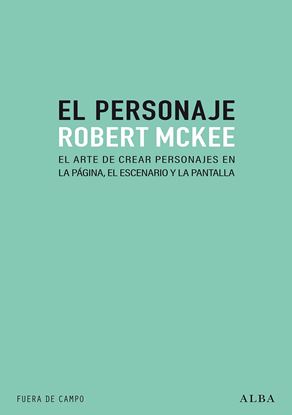
EL PERSONAJE
¿Cómo crear un personaje? ¿Cómo conseguir que sea memorable, único, profundo y contradictorio? ¿Qué tienen en común Ulises, Carrie Bradshaw, Blanche DuBois y Walter White? El personaje es un recorrido por los fundamentos básicos para crear buenos personajes. Desde cómo Occidente se ha planteado a lo largo de su historia el arte de la poiesis, a las diferentes formas de abordar la construcción de un personaje, pasando por el análisis de personajes míticos de la literatura, del cine o de la televisión o cuáles son las claves para mejorar los procesos creativos.
1,995
1,995
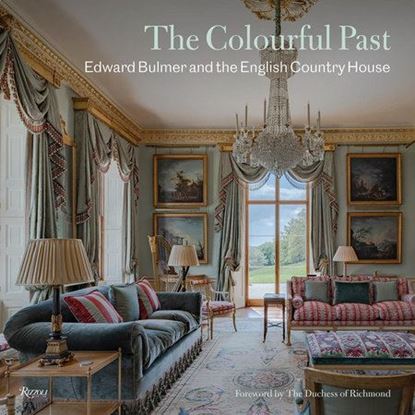
THE COLOURFUL PAST
Interior designer Edward Bulmer breathes new life into centuries-old houses with a sympathy that is rooted in a deep understanding of the past, transforming them into comfortable homes designed for modern living.
1,995
1,500
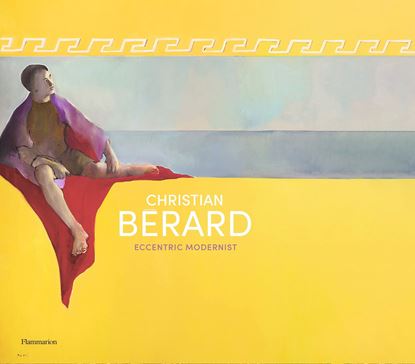
CHRISTIAN BERARD. ECCENTRIC MODERNIST
Christian Bérard worked freely in many artistic circles and fields as a painter, designer of theater and film sets and costumes, fashion designer, interior designer, masterful draftsman, and colorist. His iconic drawings epitomized the Paris fashion world and graced the covers of Vogue, Harper’s Bazaar, and Women’s Wear Daily in the 1920s and 1930s. Tracing his eccentric and colorful life of encounters and artistic partnerships with the greatest creatives of his time—Jean-Michel Frank, Christian Dior, Gabrielle Chanel, Jean Cocteau, Boris Kochno—this book includes more than two hundred of his paintings, drawings, photographs, intimate correspondences, and interior decorations, along with portraits of Bérard by Cartier-Bresson, Horst, and Schall.
1,500
2,300
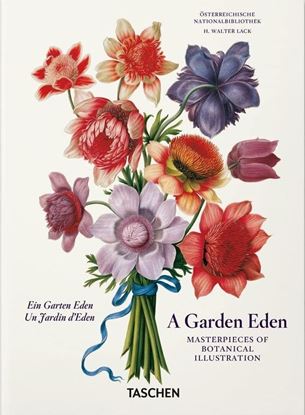
A GARDEN EDEN. MASTERPIECES OF (45) (IE)
En la búsqueda del placer por el conocimiento y la belleza, el arte de la ilustración botánica siempre ha requerido una meticulosa técnica de delineado y una rigurosa comprensión científica. Esta nueva edición, que incluye nuevas imágenes, repasa toda la tradición botánica y sus talentos, con una selección de las mejores obras de la Biblioteca Nacional de Viena.
Desde manuscritos bizantinos hasta obras maestras del siglo XIX, a través de peonías, lirios y crisantemos, estas exquisitas reproducciones deslumbran por su precisión y su estética. Sea con hojas cuidadosamente enrolladas, texturas de frutas dibujadas con precisión o la belleza pura y la variedad de los colores, esta forma de arte es tan delicada como precisa, e incluso despierta nuestra conciencia sobre el entorno ecológico y sobre la preciosa flora natural tan amenazada.
2,300
4,200
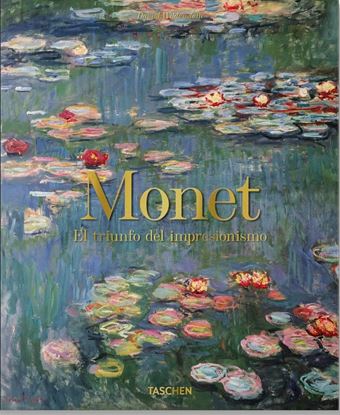
MONET. EL TRIUNFO DEL IMPRESIONISMO(KL)E
Junto con J.M.W. Turner, ningún artista se esforzó más que Claude Monet (1840-1926) en capturar en el lienzo la luz. De todos los impresionistas, fue el hombre del que Cézanne decía "solo un ojo, pero ¡Dios mío, qué ojo!", el hombre que se mantuvo completamente leal al principio de la fidelidad absoluta a la sensación visual, pintando directamente a partir del objeto.
Se podría decir que Monet reinventó las posibilidades del color y que, ya fuera por su temprano interés en los grabados japoneses, su período como recluta bajo la resplandeciente luz de Argelia o su relación personal con los pintores más importantes de fines del siglo XIX, lo que creó Monet durante su larga vida cambió para siempre el modo en que percibimos tanto el mundo como sus fenómenos asociados. El punto culminante de sus exploraciones fue la serie tardía de nenúfares pintada en su propio jardín de Giverny, la cual, en su giro hacia la ausencia casi total de forma, es realmente el origen del arte abstracto.
4,200