

2,800
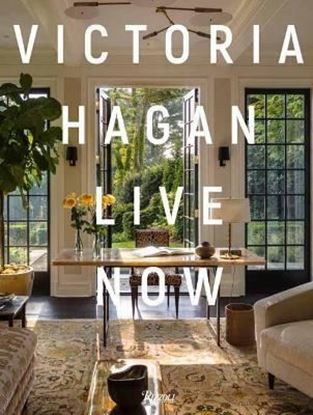
VICTORIA HAGAN. LIVE NOW
As an acclaimed interior designer and member of the AD100 and the Interior Design Hall of Fame, Victoria Hagan had achieved the highest pinnacle of success in her field. But when 2020 arrived, she found herself, like all of us, at home, seeing her life and her space with fresh eyes. The result is this book a creative manifesto and a life-affirming look at the nature of home, and how it connects and calms us, comforts and nourishes us. Beautifully designed with a luxurious oversize package that includes gatefolds, Live Now celebrates the quiet and extraordinary beauty of the everyday. Open windows beckon, through which we glimpse the ocean, its hues echoed in the interior palette. A chair for reading waits on a patio, overlooking an expanse of hills. Fresh corn and strawberries from the farmers market tumble over a kitchen table. The 12 dwellings featured in Live Now may range in style, but all share the soothing, light-filled palette, serenity of mood, and aesthetic rigor for which Hagan is renowned, as well as a deep connection to their surroundings, from Sonoma to Palm Beach, Manhattan to Martha s Vineyard.
2,800
2,995
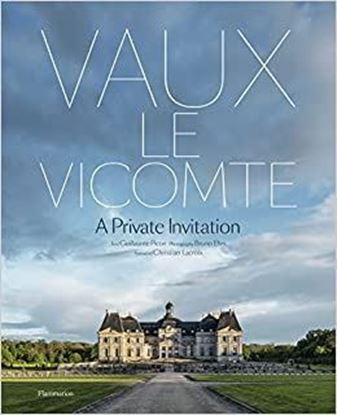
VAUX-LE-VICOMTE
This comprehensive monograph is an exclusive look inside the château that inspired the design of Versailles and today continues to enchant visitors and film directors alike.
Vaux-le-Vicomte’s rich history began in 1641 when infamous French finance minister Nicolas Fouquet, the original owner, surrounded himself with the most skilled and talented artisans of the time: the architect Louis Le Vau, the painter Charles Le Brun, and the garden designer André Le Nôtre, to create a perfect harmony between architecture and landscape. The Château de Vaux-le-Vicomte and its spectacular gardens fascinated Louis XIV and were the inspiration for Versailles. Classified as a historical monument since 1875 under the impetus of the owner at the time, the castle of Vaux-le-Vicomte quickly became a model of the artistic genius of the seventeenth century.
This volume traces the château’s history from the seventeenth century through the Belle Époque, World War I, and its public opening in 1968. Exclusive photography and archival documents offer unprecedented access to the château, furnishings, and gardens, and illuminate the extraordinary secrets of court life and centuries of celebrations that include the enchanting candlelit tours held today.
2,995

1,200
MUSICOS, COMPOSITORES Y CANCIONES DOM.
Músicos, compositores y canciones dominicanas en los siglos XIX y XX fue elaborado mediante una metodología heterogénea. Incluyó consultas bibliográficas, entrevistas a los propios músicos o a familiares y relacionados, consultas a historiadores y músicos de los distintos municipios y provincias, búsqueda en periódicos y revistas y, de manera especial, las consultas a musicólogos y expertos en esos temas, que afortunadamente apoyaron con entusiasmo este trabajo.
1,200
995
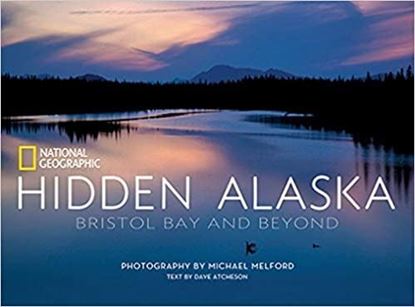
HIDDEN ALASKA
A stunning visual story of a place of wonder and mystique for every American, this book features what is legendary and beloved about Alaska, a land of magnificent wilderness and beauty, virtually untouched by human ambition. It also focuses on the key point of interest in the state today: endangered Bristol Bay, which faces potential mining of the world's greatest deposits of copper and gold. Its pristine waters are the worlds' biggest salmon spawning grounds. If the gold is mined, the ecosystem is destroyed -but the impoverished locals have work for the next half-century. After that, the salmon and the mines are gone. Melford, paired with noted environmental storyteller David Atcheson, addresses the dilemma by bowling us over with the beauty and importance of the place for all time. Underwritten by the Renewable Resources Coalition, the book will be distributed among its more than 5,000 members.
995
1,500
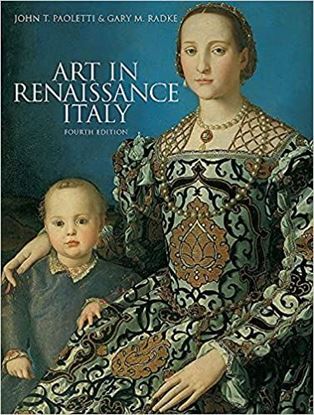
ART IN RENAISSANCE ITALY, FOURTH EDITION
Art in Renaissance Italy (4th Edition)
With a freshness and breadth of approach that sets the art in its context, this book explores why works were created and who commissioned the palaces, cathedrals, paintings and sculptures. It covers Rome and Florence, Venice and the Veneto, Assisi, Siena, Milan, Pavia, Genoa, Padua, Mantua, Verona, Ferrara, Urbino and Naples. Chapters are grouped into four chronological parts, allowing for a sustained examination of individual cities in different periods. 'Contemporary Scene' boxes provide fascinating glimpses of daily life and 'Contemporary Voice' boxes quote from painters and writers of the time. Innovative and scholarly, yet accessible and beautifully presented, this book is a definitive work on the Italian Renaissance. This revised edition contains around 200 new pictures and nearly all colour images. The chapter structure has also been improved for yet greater geographic and chronological clarity, and a new page size makes the volume more user-friendly.
1,500
2,995
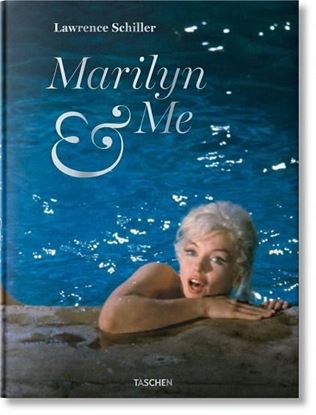
LAWRENCE SCHILLE. MARILYN & ME (FO)
“Tú ya eres famosa, el que se va a hacer famoso ahora soy yo”, le dijo el fotógrafo Lawrence Schiller mientras hablaban de las fotografías que estaba a punto de hacerle. “No seas tan arrogante”, le respondió burlona Marilyn. “Sustituir a un fotógrafo es fácil”. Esto ocurrió en 1962, y Schiller, que por entonces tenía 25 años, cumplía un encargo para Paris Match. Conocía ya a Marilyn (ambos habían trabado amistad dos años antes, cuando se conocieron durante el rodaje de El multimillonario), pero esto no le sirvió de nada el día en que ella accedió a posar desnuda ante su cámara durante la escena de la piscina en Something’s Got to Give.
2,995