

1,500
1,125
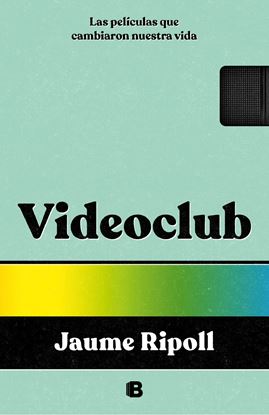
VIDEOCLUB. LAS PELICULAS QUE CAMBIARON
Esta es la historia de un niño con sobrepeso y acné que se despertaba de madrugada para ver películas.
Esta también es la historia del padre de ese niño, propietario de videoclubs, coleccionista de VHS y el hombre que pensaba que la mejor educación para su hijo era el cine.
Esta es la historia de cómo el cine puede cambiar nuestras vidas y hacerlas mejores.
Jaume Ripoll, cofundador de Filmin -una de las plataformas de cine más prestigiosas de los últimos tiempos- nos relata en este libro su historia de amor incondicional con el séptimo arte. De su mano, volveremos a los videoclubs de barrio en un recorrido nostálgico y fascinante lleno de anécdotas y recomendaciones que nos harán (re)descubrir y recuperar las obras imprescindibles que marcaron varias generaciones.
«He hecho un viaje de espectador a distribuidor, del placer al trabajo, y ahora escribo este libro con la esperanza de que restaure parte de la ilusión perdida y permita al lector descubrir y recuperar obras que posiblemente han significado tanto en su vida como lo han hecho en la mía. Al fin y al cabo, el cine es una experiencia solitaria que se disfruta en compañía».
1,500
1,125
2,995
2,246
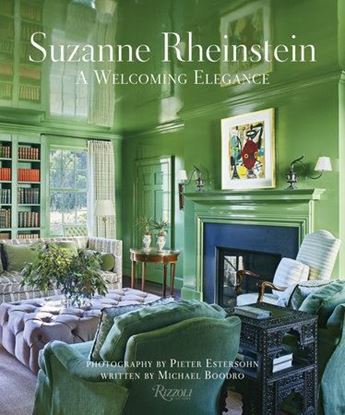
SUZANNE RHEINSTEIN
Over the past decade, celebrated style maker Suzanne Rheinstein has achieved an unprecedented level of refinement and clarity. Her love of objects from the past remains a touchstone, but in her newest rooms, stylish modernity and an elegant simplicity hold sway.
Presented are beautifully photographed homes of clients Suzanne Rheinstein has worked with before that reflect a vision of richness tempered by restraint. Her longtime fans will find new inspiration in these pages. Throughout, she shares her ideas of how to live in a relaxed way surrounded by artworks and personal collections. A traditional Georgian library is done in a totally untraditional lacquered green, while a San Francisco town house revamp includes a “California” room filled with Moroccan rugs and rattan chairs, and a serene retreat has a guesthouse evocative of the bohemian 1970s.
2,995
2,246
1,995
1,496
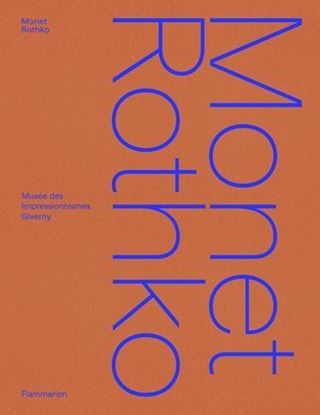
MONET-ROTHKO
This comparison of the works of Monet and Rothko provides exhilarating new insight on these pioneers of abstraction and masters of color.
Recent research on late impressionism has highlighted the surprising correspondences between the work of impressionist paragon Claude Monet and that of abstract painters such as Mark Rothko.
This book offers an unprecedented dialogue between the paintings of Monet and Rothko, two artists who explored the frontiers of abstraction. It explores the uncanny similarities between their works, painted almost half a century apart, as well as the significance of the differences between the master artists’ styles. Monet conveyed the immediacy of his impressions of nature, while Rothko plunged the viewer into the depths of colors that he superimposed and interwove.
And yet this book—originally conceived to accompany an exhibition at the Musée des Impressionnismes Giverny and illustrated with sixty chromatically organized reproductions—reveals an undeniable relationship between their pictorial universes, challenging the viewer’s perception of abstraction and modernity. This confrontation, contextualized through the analysis of renowned critics, sheds new light on the oeuvre of two of the greatest masters of painting and offers fresh insight into the essence of what makes their works so inherently original.
1,995
1,496