


3,500
2,625
INDIA IN FASHION
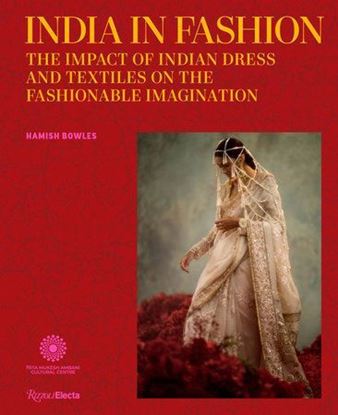
India in Fashion explores the beautiful and sophisticated history and aesthetics of traditional Indian fashion, dress, and textiles and their profound impact on European and American fashion from the eighteenth century to today.
This intoxicating and visually rich volume—with texts by experts from India, Europe, and North America—is published to accompany a major exhibition that celebrates the long historical contributions that Indian dress, textiles, and embroidery have had on Western fashion. From the introduction of chintz dressmaking fabrics in the eighteenth century to the early nineteenth-century vogue for light Indian fabrics, paisleys, and chikan embroideries to larger realities of empire and cultural appropriation, this volume features paintings, fashion magazine editorials, and portraits of influential people who championed Indian style throughout history.
3,500
2,625
3,800
2,850
EDWARD HOPPER Y CAPE ANN
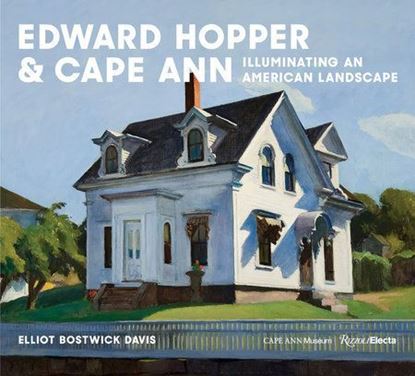
A fresh look at one of America’s best-known and beloved artists at a pivotal but little-known moment in his life that profoundly shaped both his art and career.
Edward Hopper & Cape Ann tells the largely ignored but significant origin story of Edward Hopper’s years in and around Gloucester, Massachusetts—a period and place that imbued Hopper’s paintings with a clarity and purpose that had eluded his earlier work. This volume focuses on summers Hopper spent there in the 1920s, starting in 1923, when he first embraced watercolor during outdoor painting excursions on Cape Ann and discovered one of his favorite subjects: houses and vernacular architecture. The success of Hopper’s Gloucester watercolors transformed his work in all media and set the stage for his monumental career.
Accompanying a major retrospective at the Cape Ann Museum, including an unprecedented loan of twenty-eight works from the Whitney Museum of American Art, this highly readable and beautifully illustrated volume reveals in great depth the lesser-known story about the influence of a young painter, Josephine Nivison, who became not only Hopper’s wife but also the most trusted force underlying his artistic confidence. Here she is recast as principal producer of Hopper’s distinctive style and his “brand” visionary from the time of their courtship until his death in 1967.
3,800
2,850

995
746
MALDICIONES Y MALDITOS EN HOLLYWOOD
Entre las décadas de los años veinte y cincuenta de la pasada centuria, las películas, que comenzaron siendo curiosidades de gabinete en ferias, lograron convertirse en el mayor espectáculo del mundo. Los protagonistas de aquellos shows de celuloide que encandilaban al público desde la gran pantalla, pronto fueron erigidos como reyes dominantes del imaginario colectivo del siglo XX.
Pero aquel panteón cada vez más poblado de rutilantes deidades, albergaba asimismo siniestros y decadentes bastidores, plagados de sombras sin fin: espectros, maldiciones, muertes extrañas, crímenes sin resolver, adicciones, magia sexual, satanismo… Hechos misteriosos, sucesos estremecedores y, en ocasiones, atroces ocurrían entre el lujo y la fatalidad, entre el oropel y la decadencia.
Crueles destinos inexorables, tanto de numerosas estrellas, como de aspirantes a serlo.
995
746