Filtrar por precio
2,500
2,000
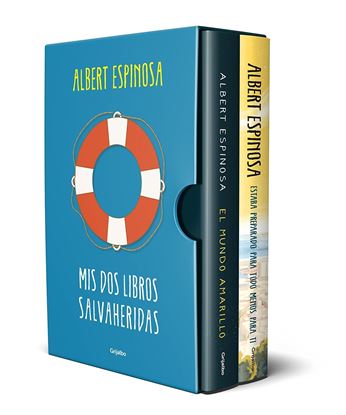
ESTUCHE ESTABA PREPARAD, MUNDO AMARILLO
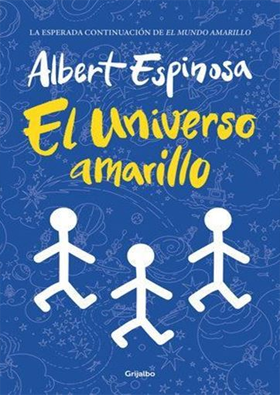
En esta bonita edición ilustrada de El mundo amarillo encontrarás los descubrimientos que hice durante los diez años que estuve enfermo de cáncer. Es curioso, pero la fuerza, la vitalidad y los hallazgos que haces cuando estás enfermo sirven también para cuando estás bien.
Y diez años más tarde en Estaba preparado para todo menos para ti he intentado depositar toda mi experiencia y lo que he aprendido de mucha gente que ha decidido contarme su sabiduría: los secretos y la energía que se desprende de los amarillos con los que he coincidido en mi vida. Quisiera que este libro fuera un botiquín de soplos energéticos para muchos males y, sobre todo, para el alma.
2,500
2,000

2,800
2,240
THE MAGIC BOOK (GB)
Magic has enchanted humankind for millennia, evoking terror, laughter, shock, and amazement. Once persecuted as heretics and sorcerers, magicians have always been conduits to a parallel universe of limitless possibilitywhether invoking spirits, reading minds, or inverting the laws of nature by sleight of hand. Long before science fiction, virtual realities, video games, and the Internet, the craft of magic was the most powerful fantasy world man had ever known. As the pioneers of special effects throughout history, magicians have never ceased to mystify us by making the impossible possible.
This book celebrates more than 500 years of the stunning visual culture of the worlds greatest magicians. Featuring more than 750 rarely seen vintage posters, photographs, handbills, and engravings as well as paintings by Hieronymus Bosch and Bruegel among others, The Magic Book traces the history of magic as a performing art from the 1400s to the 1950s. Combining sensational images with incisive text, the book explores the evolution of the magicians craft, from medieval street performers to the brilliant stage magicians who gave rise to cinematic special effects; from the 19th centurys golden age of magic to groundbreaking daredevils like Houdini and the early 20th centurys vaudevillians.
2,800
2,240
2,850
2,280
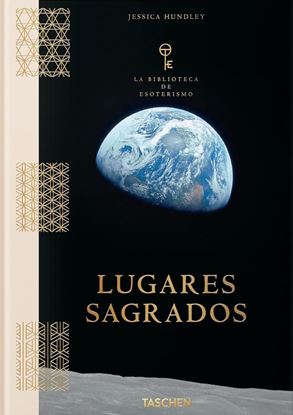
LUGARES SAGRADOS. LA BIBLIOTECA DE ESOTE
Espacios para la oración
Un viaje por paisajes espirituales
Sacred Sites nos lleva de viaje por la historia del arte y de la arquitectura sacros para explorar las innumerables formas en que imbuimos nuestros entornos de un significado profundo y duradero. Desde nuestra temprana visión de la naturaleza y del cuerpo como templos hasta nuestra asunción de futuros reinos imaginarios, viajamos por los vastos y místicos paisajes del mito, la religión y la imaginación.
2,850
2,280

2,995
2,396
PACK COMO MANDAR A LA MIERDA - COMO DEJA
En Cómo mandar a la mierda de forma educada, Alba Cardalda te enseña a decir «no» con empatía y sin culpa, permitiéndote crear relaciones más honestas y respetuosas. Aprenderás a defender tu espacio personal y emocional sin dañar a los demás ni a ti mismo.
En Cómo dejar de ser tu peor enemigo, la autora se enfoca en la importancia de cuidar tu voz interna. A través de herramientas de mindfulness y asertividad, te ayudará a mejorar tu autoestima y bienestar emocional, transformando los pensamientos destructivos en aliados de tu felicidad.
2,995
2,396
5,900
4,720
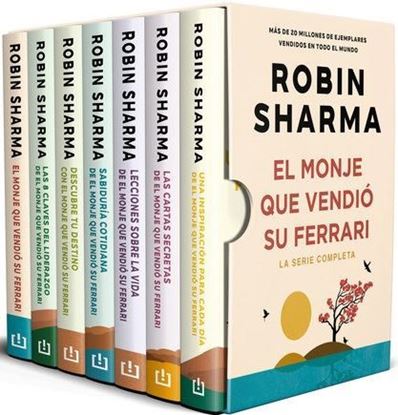
ESTUCHE EL MONJE QUE VENDIO SU FE. (BOL)
Este estuche reúne siete joyas de Robin Sharma: siete libros que van más allá de la autoayuda para convertirse en guías espirituales, prácticas de liderazgo y herramientas de sabiduría cotidiana que inspiran cambios profundos. Cada obra se sumerge en el viaje interior de Julian Mantle (y quienes le rodean), desde el éxito material hacia la realización personal, la paz interior y la vida con propósito.
5,900
4,720
8,995
7,196
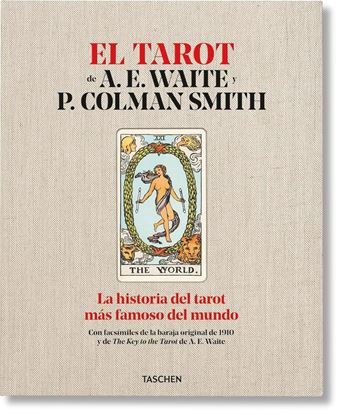
THE TAROT. A.W.WAITE (VA)(E)
A unique edition of bright texts, brilliant images, and historic reprints, this kit provides everything that both beginners and advanced Tarot users might need and want to read cards for themselves and to study and experience this cultural gem in all its beauty and significance.
The valuable collector’s box includes a complete deck of the Waite Smith Tarot cards and Waite’s famous companion book The Key to the Tarot. In this illustrated book, with texts and images compiled by Johannes Fiebig, the Tarot cards become psychological mirrors and signposts leading toward new answers and personal solutions. The fact that this works well can be attributed to certain advantages inherent to the Waite-Smith cards, and these points are illuminated in an essay by Rachel Pollack.
8,995
7,196