
800
AURA TIRA LOS TACONES Y ECHA A VOLAR
A veces, encontrar lo que dicta el corazón no es tarea fácil...
Ha pasado un año desde que Aura llegó a Madrid preparada para volar alto. Un nuevo septiembre promete una etapa cargadita de desafíos como el de abandonar la carrera de ADE para empezar Periodismo, el grado que siempre había soñado.
¿Será Aura capaz de prosperar en el complicado mundo de los "becarios-precarios"? Sin duda contará con la ayuda de Sara, Vilma, Ana y Patricia para que su viaje por las alturas no acabe por los suelos. Ah, y no nos olvidemos de que su hermano Christian ha aparecido en escena para ponerlo todo patas arriba.
Por supuesto, también está Víctor, el cantautor que conquistó los latidos de su corazón y con el que planea reencontrarse en Londres para confesarle toda la verdad. A la par, reaparece Ismael, el actor buenorro, que regresa dispuesto a recuperar el tiempo perdido.
Y es que encontrar lo que dicta el corazón no es tarea fácil...
800
800
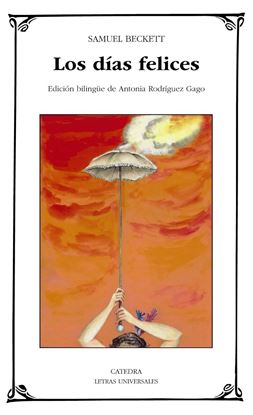
LOS DIAS FELICES (CATEDRA)
"Los días felices" es una pieza clave en el teatro de Beckett, que, continuando el proceso de depuración escénica de sus obras precedentes, presenta también características fundamentales de sus piezas posteriores. Winnie, torturada por una luz cegadora y semienterrada en un montículo calcinado, se arropa en un ritual de gestos cotidianos y encuentra siempre motivos, por insignificantes que éstos sean, para considerar sus días felices.
800

800
LA CASA DE BERNARDA ALBA/DOÑA (TEATRO 4)
En este volumen se ofrecen al lector clásicos lorquianos como La casa de Bernarda Alba y Doña Rosita la soltera. Asimismo, se incluyen conferencias y charlas ofrecidas por el poeta en torno a sus textos, lo que permite una aproximación aún más personal a su obra.
La edición y los prólogos, a cargo de Miguel García-Posada, permiten al lector acercarse a la complejidad de su obra y disfrutar, a lo largo de los siete volúmenes que componen esta Biblioteca Federico García Lorca, de uno de los autores españoles más relevantes del siglo XX.
800

800
MILES DE EMOCIONES CON TU NOMBRE(1)(BOL)
Me llamo Valentina, soy modelo y crecí en La Rioja, rodeada de viñedos, en la finca de mi familia. Siempre imaginé mi futuro allí, con Víctor, trabajando juntos en la bodega, pero una cosa es lo que imaginamos y otra, lo que luego sucede en realidad.
Puede que estés preguntándote quién es Víctor, y para esa cuestión tengo demasiadas respuestas, así que mejor te digo que él lo fue TODO para mí, hasta que nuestros sentimientos nos explotaron en la cara y decidí marcharme tan lejos como pude. Hoy, tres años después, esa noche sigue rompiéndome por dentro.
800

800
MILES DE EMOCIONES CON NUESTRO NOMBRE(2)
Dicen que Nueva York es la ciudad de los rascacielos y de las grandes avenidas, además del escenario de infinidad de películas. Personalmente añadiría que también es la ciudad de los sueños, esos que todos esperamos cumplir algún día, incluso yo misma, aunque a veces lo olvide cuando otro sueño, mucho más poderoso y que lleva su nombre, llega para ensombrecer este.
Si me quedaré hasta convertirme en la top model que deseo ser es una incógnita para mí; lo que sí tengo claro es que ahora estoy aquí y que voy a dejar mis dientes marcados en esta gran manzana, o al menos a intentarlo. Y mientras lo hago, su mirada, su sonrisa y su recuerdo caminarán a mi lado por las calles de esta metrópoli y del mundo, para recordarme lo que pudimos tener y no tenemos y también quiénes fuimos y quiénes no vamos a ser.
800
800
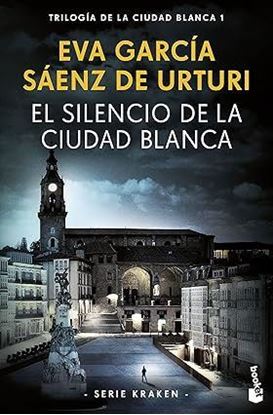
EL SILENCIO DE CIUDAD BLANCA 1 (BOL)
La novela que dio inicio al fenómeno imparable de la Trilogía de la Ciudad Blanca.
«Una ciudad aterrorizada por el regreso de unos asesinatos rituales. Un experto en perfiles criminales que esconde una tragedia. Un thriller hipnótico cuyas claves descansan en unos misteriosos restos arqueológicos»
Tasio Ortiz de Zárate, el brillante arqueólogo condenado por los extraños asesinatos que aterrorizaron la tranquila ciudad de Vitoria hace dos décadas, está a punto de salir de prisión en su primer permiso cuando los crímenes se reanudan de nuevo: en la emblemática Catedral Vieja de Vitoria, una pareja de veinte años aparece desnuda y muerta por picaduras de abeja en la garganta. Poco después, otra pareja de veinticinco años es asesinada en la Casa del Cordón, un conocido edificio medieval.
El joven inspector Unai López de Ayala —alias Kraken—, experto en perfiles criminales, está obsesionado con prevenir los crímenes antes de que ocurran, una tragedia personal aún fresca no le permite encarar el caso como uno más. Sus métodos poco ortodoxos enervan a su jefa, Alba, la subcomisaria con la que mantiene una ambigua relación marcada por los crímenes… El tiempo corre en su contra y la amenaza acecha en cualquier rincón de la ciudad. ¿Quién será el siguiente?
Una novela negra absorbente que se mueve entre la mitología y las leyendas de Álava, la arqueología, los secretos de familia y la psicología criminal. Un noir elegante y complejo que demuestra cómo los errores del pasado pueden influir en el presente.
800