

500
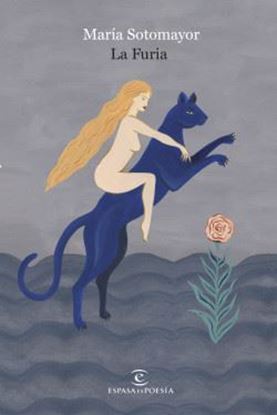
LA FURIA (OF2)
La furia es la poderosa nueva propuesta de una poeta profunda, original, que destaca en el ámbito de la poesía actual en castellano.
En la misma aborda desde una perspectiva luminosa el sentimiento amoroso: «La furia es un nudo que en agua caliente se deshace. Hay una distancia exacta entre el horizonte y lo vivido: ahí lo escrito. Todo lo que se expande es poema. La furia es quietud y movimiento. El amor se va de quien lo destruye. El amor perdura para aquel que lo nombra y lo sostiene».
500
500
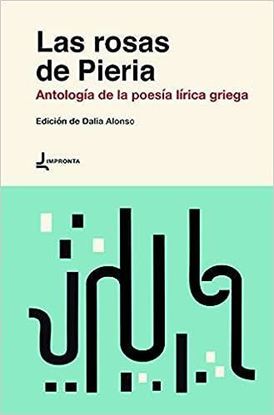
LAS ROSAS DE PIERIA. ANTOLOGIA DE L(OF2)
Los poetas líricos griegos poseen una importancia singular: son los primeros autores de Occidente que deciden escribir sobre las cosas que todavía hoy nos conmueven y apasionan.
La naturaleza, la amistad, la guerra y el deseo son algunos de los temas que llenan estas páginas, en las que voces individuales de toda la Grecia arcaica se alzan para componer una hermosa pieza coral que incita a a vivir en plenitud.
"Las rosas de Pieria" es un nombre metafórico otorgado a las Musas, diosas de la creación.
Bajo su tutela compusieron los líricos griegos arcaicos, cada uno de los cuales tuvo, por supuesto, su propia personalidad y sus particularidades pero compartiendo todos ellos un tono común, además del tiempo (entre los siglos VII-VI a.
de C., aproximadamente) y el espacio (la Grecia continental y la insular) donde les tocó vivir.
500
500
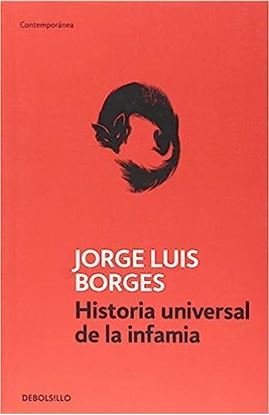
HISTORIA UNIVERSAL DE INFAMIA (AR)(BOL)
En este primer libro de ficción, Borges trabaja con biografías de ladrones y rufianes; personajes traidores y a veces también heroicos. Aquí están, entre otros, Lazarus Morell, redentor de esclavos, Tom Castro, hijo apócrifo y tolerante, y la viuda Ching, hábil en el saqueo de altamar. Cuentos que juegan a falsear y tergiversar historias ajenas. Le siguen «Hombre de la esquina rosada», uno de sus relatos más celebrados, y «Etcétera», un testimonio de sus incontables lecturas: «A veces creo que los buenos lectores son cisnes aún más tenebrosos y singulares que los buenos autores».
500
500
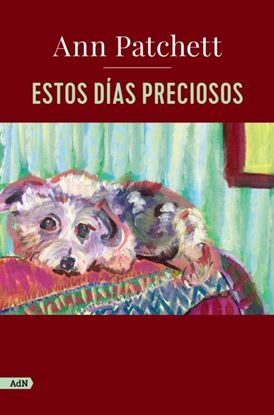
ESTOS DIAS PRECIOSOS (ADN) (OF2)
Como escritora, Ann Patchett sabe cuál será el desenlace de su ficción. La vida, sin embargo, a menudo da giros inesperados. Patchett reflexiona sobre ello en esta colección de ensayos, que ofrece una mirada fresca e íntima a su mente y su corazón.
Como alquimista literaria, Patchett convierte en oro sus experiencias: ensayos cautivadores y conmovedores, cada uno de ellos rebosante de emoción y perspicacia. Así, transforma lo privado en universal, ofreciéndonos una nueva forma de mirar a nuestro propio mundo y recordándonos lo fugaz y enigmática que puede ser la vida.
500

500
COMO SI NO HUBIERA UN MAÑANA (BOL)
Era la primavera de 1953 y todo invitaba a pensar que lo peor de la posguerra había pasado. En el aeropuerto de Barajas se agolpaba una multitud esperando a la estrella más admirada del momento: Ava Gardner. Llegaba a Madrid después del largo rodaje de Mogambo, a las órdenes de John Ford. Necesitaba encontrarse a sí misma.
Su amigo Howard Hughes le solía decir que fama y amor eran incompatibles y sus tres maridos, Mikey Rooney, Artie Shaw y ahora Frank Sinatra, lo confirmaban. Eran sus tres grandes fracasos. Solo deseaba olvidar.
Una noche se cruza en su camino Luis Miguel Dominguín, el torero del momento. Sus miradas se cruzaron y, en ese momento, supieron que acabarían juntos. Ambos eran famosos, guapos, jóvenes y, sobre todo, apasionados y libres.
Así fue también su historia.
500

500
EUFORIA (OF2)
Después de trece años sin escribir ni publicar poesía, Carlos Marzal regresa al género con un nuevo poemario. Un libro donde se entrevera el himno y la elegía; porque, como el autor ha señalado en alguna ocasión, «todos los poetas celebran la vida y la lloran al mismo tiempo, todos escribimos a la vez una oda y un planto que tienen como destinatario la existencia».
En su sentido etimológico, la ευφορία (euforia) constituye una fuerza que ayuda a sobrellevar, un arte del buen resistir, y en ocasiones remite a la abundancia y la fecundidad. En nuestros días, el significado de la palabra «euforia» nos evoca alegría y bienestar, en ocasiones extremos. La poesía de Carlos Marzal se ha caracterizado desde hace tiempo por aunar entusiasmo hacia lo que la suerte nos depara y la aceptación estoica de nuestro destino.
500