

1,450
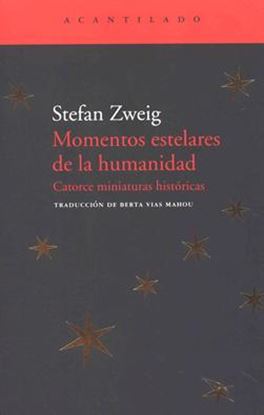
MOMENTOS ESTELARES DE LA HUMANIDAD
Este es probablemente el libro más famoso de Stefan Zweig. En él lleva a su cima el arte de la miniatura histórica y literaria. Muy variados son los acontecimientos que reúne bajo el título de Momentos estelares: el ocaso del imperio de Oriente y la caída de Constantinopla a manos de los turcos en 1453; el nacimiento de El Mesías de Hán-del en 17 41; la derrota de Napoleón en 1815; el indulto de Dostoievski, momentos antes de su ejecución, en 1849; el viaje de Lenin hacia Rusia en 1917... «Cada uno de estos momentos estelares—escribe Zweig—marca un rumbo durante décadas y siglos». Como lectores descubrimos, de este modo, mínimos, inesperados puntos de inflexión de la historia, a los que asistimos con la fascinación que la escritura de Stefan Zweig siempre nos produce.
1,450
1,450
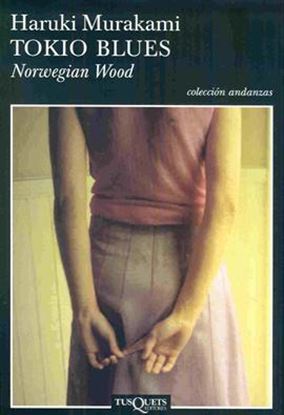
TOKIO BLUES
Mientras su avión aterriza en un aeropuerto, Toru Watanabe, de treinta y siete años, escucha casualmente una canción de los Beatles: de pronto, la música le hace retroceder a su juventud, al turbulento Tokio de finales de los sesenta. Recuerda entonces, con melancolía y desasosiego, a la inestable y misteriosa Naoko, la novia de su mejor -y único - amigo de la adolescencia, Kizuki, y cómo el suicidio de éste les distanció durante un año, hasta que se reencontraron en la universidad....
1,450
1,450
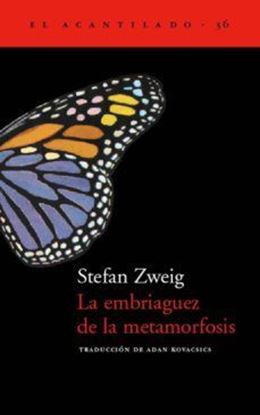
LA EMBRIAGUEZ DE LA METAMORFOSIS
"Las dos partes de la novela, cuya acción se desarrolla en el año 1926, guardan una estracha relación, pero están claramente separadas en cuanto a los hechos y al ambiente.
1,450

1,450
1,500
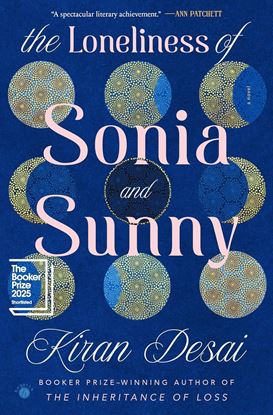
THE LONELINESS OF SONIA AND SUNNY
When Sonia and Sunny first glimpse each other on an overnight train, they are immediately captivated yet also embarrassed by the fact that their grandparents had once tried to matchmake them, a clumsy meddling that served only to drive Sonia and Sunny apart.
Sonia, an aspiring novelist who recently completed her studies in the snowy mountains of Vermont, has returned to her family in India. She fears that she is haunted by a dark spell cast by an artist to whom she had once turned for intimacy and inspiration. Sunny, a struggling journalist resettled in New York City, is attempting to flee his imperious mother and the violence of his warring clan. Uncertain of their future, Sonia and Sunny embark on a search for happiness together as they confront the many alienations of our modern world.
1,500
1,500
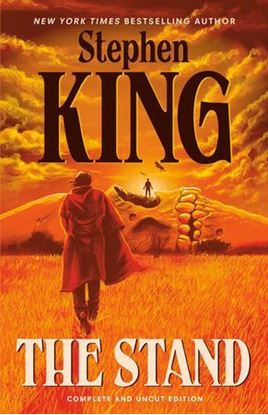
THE STAND (PB)
A patient escapes from a biological testing facility, unknowingly carrying a deadly weapon: a mutated strain of super-flu that will wipe out 99 percent of the world’s population within a few weeks. Those who remain are scared, bewildered, and in need of a leader. Two emerge—Mother Abagail, the benevolent 108-year-old woman who urges them to build a peaceful community in Boulder, Colorado; and Randall Flagg, the nefarious “Dark Man,” who delights in chaos and violence. As the dark man and the peaceful woman gather power, the survivors will have to choose between them—and ultimately decide the fate of all humanity.
1,500
1,500
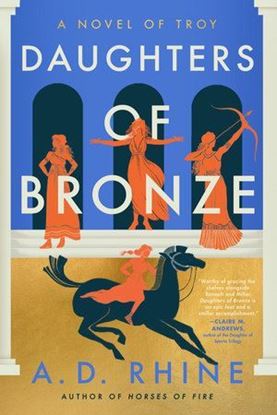
DAUGHTERS OF BRONZE
Song of great sorrow. Even greater love.
Lost between the timeless lines of Homer’s epic, the women of Troy finally stand to be counted. Their story is one you’ve never encountered, and it will change the fate of Troy forever.
Andromache has proven herself a capable leader, but can she maintain that hard-won status now that she is the mother to the city’s long-awaited heir? With enemies closing in, Andromache must bring together a divided city in time to make a final stand.
Rhea is a Trojan spy, but she never expected to find love in the enemy camp. When the final battle lines are drawn, Rhea must decide where her loyalties lie and how much she is willing to lose.
Helen is no longer the same broken woman first brought to Troy as a captive. Given a second chance at life, she must cast off her shroud of grief and use her healing gifts to save Troy’s greatest hope.
Cassandra has seen Troy’s fate. But she knows the truth is only as valuable as the person who tells it . . . and few in Troy value her. All that is about to change. One hero will rise, another will fall . . . and this time, Cassandra will have her say.
1,500
1,500
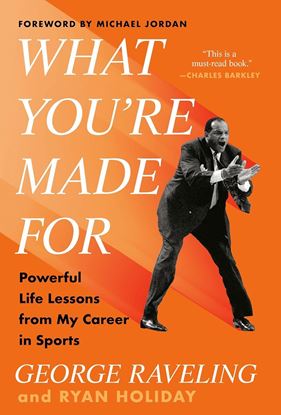
WHAT YOU'RE MADE FOR
Orphaned at just thirteen in a still-segregated Washington, D.C., George Raveling was introduced to a relatively unpopular sport—basketball—in high school. The rest, as they say, is history. Raveling went on to become one of the winningest coaches of all time, a mentor to legendary athletes, and a confidant of the sport’s greatest coaches, including Bob Knight and John Wooden. He convinced Michael Jordan to collaborate with Nike on the Air Jordan. He led the 1984 U.S. men’s Olympic team to their ninth gold medal. He even once owned the original, handwritten copy of Dr. King’s most famous speech after an unlikely stint as a bodyguard during the famous March on Washington.
Here, Coach Raveling tells the story of his extraordinary ascent, sharing incredible behind-the-scenes stories of his days working with the best in the game. But this book is more than a memoir—it’s a manual for life that presents surprising methods for harnessing your potential from a man who shaped the careers of so many legends. Raveling imparts lessons learned from his grandmother, his long career in basketball, and his lifelong habit of reading—to which he credits all his success.
1,500
1,500
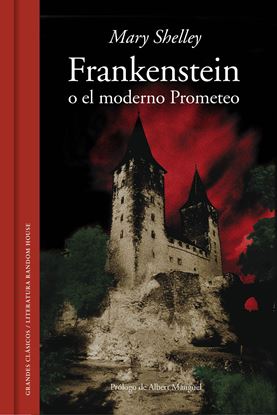
FRANKENSTEIN O EL MODERNO PROMETEO (TD)
En el verano de 1816, el poeta Percy B. Shelley y su esposa Mary se reunieron con Lord Byron y su médico en una villa a orillas del lago Leman. A instancias de Lord Byron y para animar una velada tormentosa, decidieron que cada uno inventaría una historia de fantasmas. La más callada y reservada, Mary Shelley, dio vida así a quien sería su personaje más famoso: el doctor Frankenstein. Al cabo de un año completaría la novela. La historia es de todos conocida: un científico decide crear una criatura con vida propia a la que luego rechaza. Metáfora sobre la vida, la libertad y el amor, Frankenstein o el moderno Prometeo es una maravillosa fábula con todos los ingredientes de los grandes mitos, un gran clásico que ahora recuperamos con una nueva traducción y precedido de un espléndido estudio de Alberto Manguel sobre la influencia del mito en el imaginario del cine.
1,500