

1,650
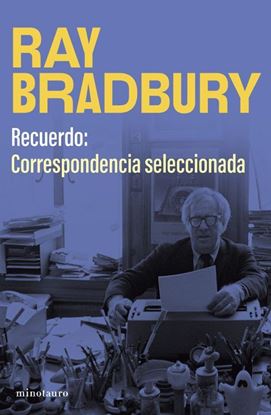
RECUERDO: CORRESPONDENCIA SELECCIONADA
Un recopilatorio de la correspondencia de Ray Bradbury, uno de los escritores y creativos más conocidos de nuestro tiempo.
Ray Bradbury fue uno de los escritores y creativos más conocidos de nuestro tiempo. Ahora, por primera vez, se recoge y publica su correspondencia en una selección que abarca desde sus años de adolescencia hasta su vejez. Una correspondencia que, además, fue de gran alcance: Bradbury interactuó con una muestra nutrida de grandes figuras culturales del siglo XX.
Jonathan R. Eller, erudito y biógrafo del autor, se ha encargado de recopilar este volumen mostrando la progresión de Bradbury a través de la vida tal como él la conocía, y no necesariamente como el público lo percibía. A las cartas enviadas y dirigidas a mentores y otros escritores les sigue correspondencia con directores de cine como John Huston, François Truffaut y Federico Fellini.
También encontramos cartas dirigidas a editores y agentes, así como otras misivas que capturan momentos de reconocimiento nacional e internacional, las sombras de la guerra y la intolerancia que motivaron algunos de sus mejores escritos, y la relación con los amigos y familiares que compartieron los recuerdos de su vida.
1,650
1,650
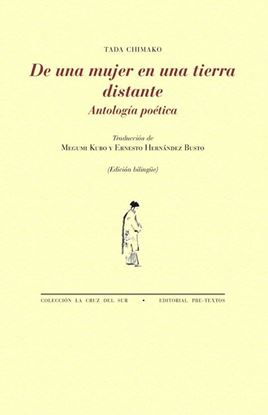
DE UNA MUJER EN UNA TIERRA DISTANTE
Presentamos una selección de poemas de una de las grandes poetas contemporánea japonesa. El trabajo poetico de Chimako mezcla referencias de la literatura clásica griega y latina con la tradición china y japonesa, pivota sobre la psicología femenina, tanto en la mitología como en el mundo moderno. Esta edición es la primera que se hace de su obra en español.
1,650
1,650
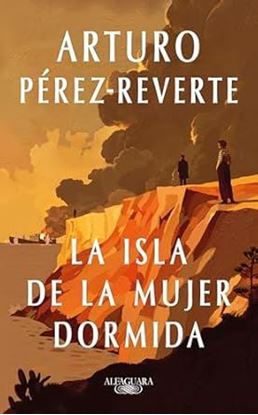
LA ISLA DE LA MUJER DORMIDA (TD)
Buscaba la boca del hombre con la suya, húmeda de sal.
-¿Tienes frío? -preguntó él.
-No, no Tengo miedo.
-¿A qué?
-A cuando te hayas ido y esto se borre de mi memoria.
Presionó contra él su cuerpo goteante; y Jordán, mojada la ropa, la acogió entre los brazos estrechándola muy fuerte.
-Maldito seas, capitán Mihalis -susurró ella de pronto.
Tardó él un momento en comprender.
-Sí -dijo al fin.
Alzó el rostro para contemplar la bóveda de estrellas, que parecía haber descendido para instalarse en torno a los dos y su abrazo, envolviéndolos hasta el final de los tiempos. Como si estuvieran solos en la última noche del mundo.
Abril de 1937. Mientras en España transcurre la guerra civil, el marino mercante Miguel Jordán Kyriazis es enviado por el bando sublevado para atacar de modo clandestino el tráfico naval que desde la Unión Soviética transporta ayuda militar para la República. En la base de operaciones, una pequeña isla del mar Egeo, la vida del corsario español se cruzará en turbio triángulo con la de los propietarios, el barón Katelios y su esposa: una seductora mujer madura que busca, con fría desesperación, el modo de escapar a su destino.
1,650
1,650
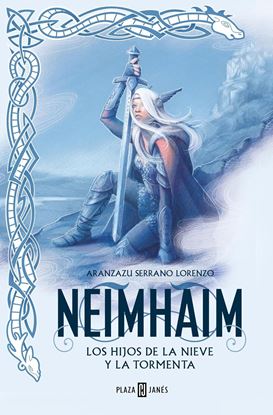
NEIMHAIM 1: LOS HIJOS DE LA NIEVE
Ailsa, una impulsiva guerrera, y Saghan, un sereno sacerdote, son los Hijos de la Nieve y la Tormenta, dos jóvenes nacidos de una leyenda y llamados a superar sus diferencias y unirse para guiar un reino fundado por dos pueblos profundamente distintos. Su complicada convivencia, la fuerza aplastante del destino y la sed de venganza de un dios desterrado serán sus principales desafíos en una gesta que pondrá en vilo el devenir de los Nueve Mundos.
1,650

1,650
PIES DESCALZOS 4
En el último volumen de Pies descalzos descubrimos a un Gen más maduro y fuerte. Con él compartimos algunas alegrías: recupera a su hermano Koiji; descubre que su gran pasión es la pintura; los éxitos compartidos con los diseños de Natsue y Katsuko; o cuando descubre el amor junto a Mitsuko. No obstante, también sufriremos con él cuando sienta impotencia ante la guerra contra Corea y la amenaza por parte del ejército estadounidense; cuando pierda su casa, el hogar de sus padres y lo último que le queda de su familia; o cuando empiece a ser consciente de que la bomba todavía sigue cobrándose vidas. Desde el día de la tragedia han aumentado los casos de cáncer y otras enfermedades terminales, y todo apunta a que la siguiente víctima será Natsue.
1,650
1,650
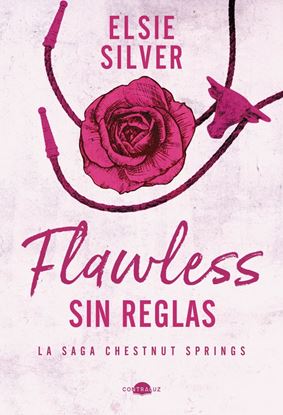
FLAWLESS: SIN REGLAS
aqueros cascarrabias, romances ardientes... Bienvenidos a Chestnut Springs, una saga ambientada en un pueblo del mismo nombre que está pegando fuerte y firmada por la sensación de TikTok Elsie Silver.
Las normas eran muy sencillas: no meterme en líos y no ponerle ni un dedo encima a su hija.
Pero ahora no puedo escapar de ella. Y solo hay una cama. Y, bueno..., las normas están para romperlas.
Soy el chico de oro de la monta de toros profesional... O, mejor dicho, lo era, hasta que todo se volvió en mi contra. Ahora, mi representante dice que he de lavar mi imagen, así que no me queda más remedio que aguantar que la tocapelotas de su hija me "supervise a tiempo completo" lo que queda de temporada.
1,650

1,650
NOVELAS - ESTUCHE
En 2024 se cumplen cien años de la muerte de Franz Kafka (1883-1924), posiblemente el escritor que con mayor genialidad retrató la angustia, la incertidumbre y el absurdo que la llegada del siglo XX produjo en las vidas de los habitantes de Europa, testigos (y víctimas) de la transformación vertiginosa del mundo que conocían. De ello dan testimonio sus tres novelas, ofrecidas aquí reunidas en un estuche de dos volúmenes: "El proceso" -obra emblemática de lo kafkiano que se inicia con el arresto de Josef K. por una acusación que nunca llegará a conocer-, "El castillo" -en la que el célebre agrimensor K. se enfrenta al laberinto burocrático del poder- y "El desaparecido" -titulada América por Max Brod, la que a juicio del propio Kafka fue su novela más luminosa-.
1,650
1,650
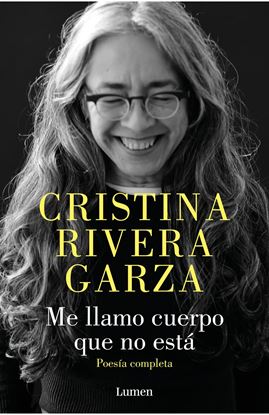
ME LLAMO CUERPO QUE NO ESTA. POESIA COMP
El adjetivo que mejor define la poesía de Cristina Rivera Garza, una de las escritoras más relevantes de la literatura mexicana actual, es «indómita». Porque quiebra los géneros con un sinfín de formas que van desde los posteos o los tuits hasta los textos comunales, los telegramas y las bitácoras, pero también porque rompe la sintaxis y hasta el mismo lenguaje. Estas profundas fisuras señalan ausencias: de cuerpos —más de cien mil personas han desaparecido en el lapso de dos décadas en México— y de palabras.
Sus versos salvajes tejen nodos territoriales y afectivos, evocan corporeidades, juegan con la autoficción, construyen múltiples voces, tienden vasos comunicantes con su narrativa y están atravesados por las obsesiones que vertebran su obra: la violencia y la muerte, la enfermedad y el amor, el sueño y la razón. Son poemas que convierten a sus lectores en «traductores-detectives-cómplices» y que viven más allá de la página.
1,650
1,650
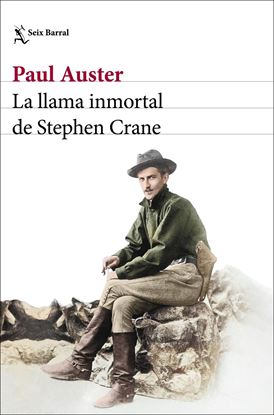
LA LLAMA INMORTAL DE STEPHEN CRANE
En esta apasionante biografía literaria de Stephen Crane (1871-1900), Paul Auster recrea la fascinante vida y la energía creativa del joven escritor, periodista y poeta que escribióLa roja insignia roja del valor en 1895. Crane solo vivió 29 años, pero en ese corto espacio de tiempo cultivó la novela, los cuentos, la poesía y fue un aventurado periodista que cubrió conflictos como la Guerra de Cuba. Conoció a Joseph Conrad y Henry James, que elogiaron su escritura, y con su obra cambió las letras estadounidenses para siempre.
En estas páginas, Auster ofrece, además, una ventana a la vida en Nueva York y Londres a finales del siglo XIX. Los años de Crane son también una época irrepetible en la que el país se prepara para dejar atrás la América del Salvaje Oeste para convertirse en la potencia capitalista que dominaría el mundo durante el siglo XX; una época de prosperidad que, sin embargo, esconde un pasado sin resolver marcado por el comercio de esclavos africanos y la matanza de indios nativos, y que tiene por delante los primeros movimientos sociales y las reivindicaciones sindicales.
1,650