

1,250
938
NIGHTWATCHING
Home alone with her young children during a blizzard, a mother tucks her son back into bed in the middle of the night. She hears a noise—old houses are always making some kind of noise. But this sound is disturbingly familiar: it’s the tread of footsteps, unusually heavy and slow, coming up the stairs.
She sees the figure of a man appear down the hallway, shrouded in the shadows. Terrified, she quietly wakes her children and hustles them into the oldest part of the house, a tiny, secret room concealed behind a wall. There they hide as the man searches for them, trying to tempt the children out with promises and scare the mother into surrender.
In the suffocating darkness, the mother struggles to remain calm, to plan. Should she search for a weapon or attempt escape? But then she catches another glimpse of him. That face. That voice. And at once she knows her situation is even more dire than she’d feared, because she knows exactly who he is—and what he wants.
1,250
938
1,250
938
HAVE A BEAUTIFUL, TERRIBLE DAY!
Kate Bowler believes that the cultural pressure to be cheerful and optimistic at all times has taken a toll on our faith. But what if we could find better language than forced positivity to express our hopes and our anxieties?
Have a Beautiful, Terrible Day! is packed with bite-size reflections and action-oriented steps to help you get through the day, be it good, bad, or totally mediocre. This is a devotional for the rest of us—which is to say, the people who don’t have magical lives that always work out for the best. As she composed these meditations during a season of chronic pain, Bowler understands how every day can be an obstacle course. She encourages us to develop our capacity to feel the breadth of our experiences. The better we are at identifying our highs and lows, the more resilient we become.
Like modern-day psalms, Bowler’s spiritual reflections look for the ways we can expand our capacity for courage, love, and honesty—while discovering divine moments with God. With bonus sections to use during the seasons of Advent and Lent, this is an easy book to read along with other people too.
If you want to build your daily habit of spiritual attentiveness, this book is here to say: May all your days be lovely. But for those that aren’t, have a beautiful, terrible day!
1,250
938

1,250
938
ECOS DE LA ERA DEL JAZZ Y OTROS ENSAYOS
Sin duda, Francis Scott Fitzgerald (1896-1940) se cuenta entre los escritores estadounidenses más importantes del pasado siglo, y no solo por su estilo impecable, divertido y poético (aunque siempre accesible), sino por la sagacidad con la que supo reflejar en sus textos el espíritu y la idiosincrasia de su época. Este volumen recoge veintidós de los mejores ensayos que Fitzgerald publicó a lo largo de su carrera como colaborador en prensa y en revistas literarias, cuatro de ellos traducidos al castellano por primera vez. A lo largo de sus páginas, el autor habla de sí mismo y sus contemporáneos, sus inquietudes, sus problemas y su tiempo, así como de los míticos espacios y ciudades que le tocó recorrer, desde las urbes inundadas de jazz y de luz de los felices veinte hasta los años prebélicos de la más dura y agria década de 1930.
1,250
938
1,250
938
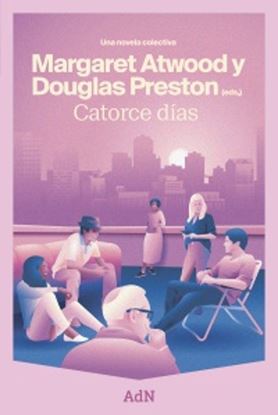
CATORCE DIAS
Tras una semana confinados por el COVID-19, los inquilinos de un edificio de apartamentos del Lower East Side de Manhattan empiezan a reunirse en la azotea para contar historia. Cada noche que pasa, se reúnen más y más vecinos. Poco a poco, los inquilinos (algunos de los cuales apenas se han dirigido la palabra) se convierten en verdaderos vecinos.
Catorce días es una hermosa oda a las personas que no pudieron escapar cuando la pandemia golpeó. Una narración deslumbrante, conmovedora y, en última instancia, sorprendente de cómo, por debajo de la horrible perdida y el sufrimiento, algunas comunidades consiguieron hacerse más fuertes.
1,250
938
1,250
938
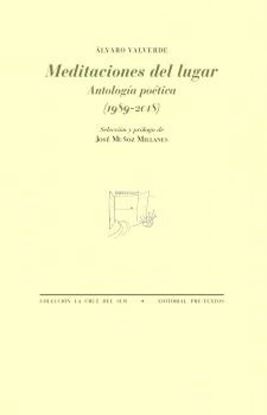
MEDITACIONES DEL LUGAR
Lo mismo que una imagen recuerda a alguna análoga y una sombra a la fresca humedad de otra estancia y un olor a una escena cercana por remota y esta ciudad a aquella habitable y distante, así, cuando la tarde se hace eterna y es julio todo expresa una múltiple, inasible presencia, y el agua es más que el filtro de lo que fluye y pasa y la luz más que el velo que ilumina las cosas y el viento más que el nombre de una oscura noticia. «Mecánica terrestre» Álvaro Valverde (Plasencia, 1959) ha publicado, entre otros, los libros de poesía Las aguas detenidas, Una oculta razón (Premio «Loewe»), A debida distancia, Plasencias, Ensayando círculos, Mecánica terrestre, Desde fuera, Más allá, Tánger, El cuarto del siroco (Premio «Meléndez Valdés» de la crítica) y Sobre el azar del mapa.
1,250
938
1,250
938
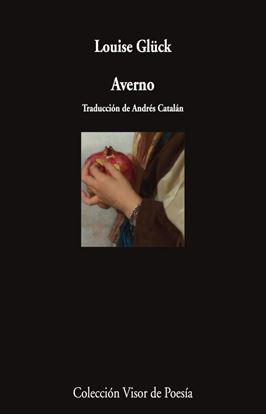
LAS SIETE EDADES
Los poemas de Averno, el décimo libro de Louise Glück (Nueva York, 1943-Cambridge, 2023), Premio Nobel de Literatura 2020, discurren entre ambiguos regresos del amor y múltiples regresos de la muerte, entre la nostalgia por la vida y el alivio que proporciona el alejarse de ella. «La muerte no puede hacerme más daño / del que tú me hiciste a mí, / querida vida mía», dice la protagonista de este libro. La poeta aborda una vez más sus temas habituales por medio de personajes mitológicos; los poemas se estructuran a lo largo de un hilo narrativo protagonizado por una modernizada Perséfone, la hija arrebatada a su madre por Hades, el dios de los muertos.
1,250
938