1,250
938
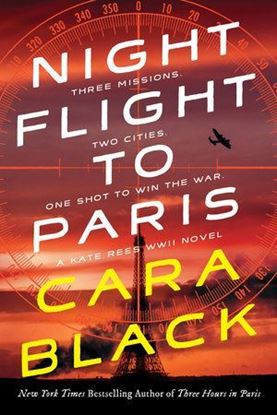
NIGHT FLIGHT TO PARIS
October 1942: it’s been two years since Kate Rees was sent to Paris on a British Secret Service mission to assassinate Hitler. Since then, she has left spycraft behind to take a training job as a sharpshooting instructor in the Scottish Highlands. But her quiet life is violently disrupted when Colonel Stepney, her former handler, drags her back into the fray for a risky three-pronged mission in Paris.
Each task is more dangerous than the next: Deliver a package of forbidden biological material. Assassinate a high-ranking German operative whose knowledge of invasion plans could turn the tide of the war against the Allies. Rescue a British agent who once saved Kate’s life—and get out.
Kate will encounter sheiks and spies, poets and partisans, as she races to keep up with the constantly shifting nature of her assignment, showing every ounce of her Oregonian grit in the process.
1,250
938
1,250
938
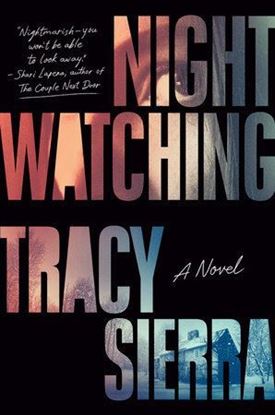
NIGHTWATCHING
Home alone with her young children during a blizzard, a mother tucks her son back into bed in the middle of the night. She hears a noise—old houses are always making some kind of noise. But this sound is disturbingly familiar: it’s the tread of footsteps, unusually heavy and slow, coming up the stairs.
She sees the figure of a man appear down the hallway, shrouded in the shadows. Terrified, she quietly wakes her children and hustles them into the oldest part of the house, a tiny, secret room concealed behind a wall. There they hide as the man searches for them, trying to tempt the children out with promises and scare the mother into surrender.
In the suffocating darkness, the mother struggles to remain calm, to plan. Should she search for a weapon or attempt escape? But then she catches another glimpse of him. That face. That voice. And at once she knows her situation is even more dire than she’d feared, because she knows exactly who he is—and what he wants.
1,250
938
1,250
938
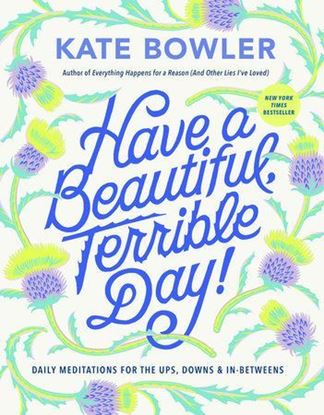
HAVE A BEAUTIFUL, TERRIBLE DAY!
Kate Bowler believes that the cultural pressure to be cheerful and optimistic at all times has taken a toll on our faith. But what if we could find better language than forced positivity to express our hopes and our anxieties?
Have a Beautiful, Terrible Day! is packed with bite-size reflections and action-oriented steps to help you get through the day, be it good, bad, or totally mediocre. This is a devotional for the rest of us—which is to say, the people who don’t have magical lives that always work out for the best. As she composed these meditations during a season of chronic pain, Bowler understands how every day can be an obstacle course. She encourages us to develop our capacity to feel the breadth of our experiences. The better we are at identifying our highs and lows, the more resilient we become.
Like modern-day psalms, Bowler’s spiritual reflections look for the ways we can expand our capacity for courage, love, and honesty—while discovering divine moments with God. With bonus sections to use during the seasons of Advent and Lent, this is an easy book to read along with other people too.
If you want to build your daily habit of spiritual attentiveness, this book is here to say: May all your days be lovely. But for those that aren’t, have a beautiful, terrible day!
1,250
938

1,250
938
NORTH WOODS
When two young lovers abscond from a Puritan colony, little do they know that their humble cabin in the woods will become the home of an extraordinary succession of human and nonhuman characters alike. An English soldier, destined for glory, abandons the battlefields of the New World to devote himself to growing apples. A pair of spinster twins navigate war and famine, envy and desire. A crime reporter unearths an ancient mass grave—only to discover that the earth refuse to give up their secrets. A lovelorn painter, a sinister con man, a stalking panther, a lusty beetle: As the inhabitants confront the wonder and mystery around them, they begin to realize that the dark, raucous, beautiful past is very much alive.
1,250
938
1,250
938
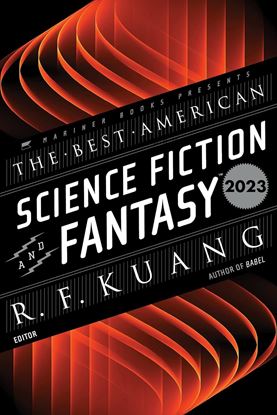
THE BEST AMERICAN SCIENCE FICTION AND.
“The most important part of this magic trick is just a willingness to get weird.” The stories in The Best American Science Fiction and Fantasy 2023 are brimming with bizarre and otherworldly premises. Women can’t lie or fall in love. Fathers feed their children ghost preserves. Souls chase one another through animal incarnations. Yet these stories are grounded deeply in our reality. Out of these stories’ weirdness emerges the cruelty of border enforcement, the horror of legislation restricting reproductive freedom, the frightening pace of AI. The result is a stunning, immersive, intensely felt experience, showing us less of what the world is, and more of what it could be.
1,250
938
1,250
938
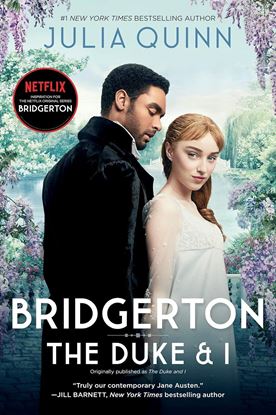
BRIDGERTON. THE DUKE AND I (TV TIE IN)
In the ballrooms and drawing rooms of Regency London, rules abound. From their earliest days, children of aristocrats learn how to address an earl and curtsey before a prince—while other dictates of the ton are unspoken yet universally understood. A proper duke should be imperious and aloof. A young, marriageable lady should be amiable…but not too amiable.
Daphne Bridgerton has always failed at the latter. The fourth of eight siblings in her close-knit family, she has formed friendships with the most eligible young men in London. Everyone likes Daphne for her kindness and wit. But no one truly desires her. She is simply too deuced honestfor that, too unwilling to play the romantic games that captivate gentlemen.
1,250
938