1,450
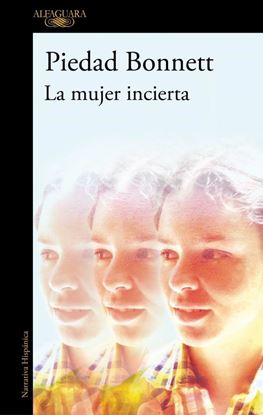
LA MUJER INCIERTA
¿Cómo contar la historia de uno mismo? Y, en ese ejercicio, ¿hasta qué punto se construye o se reconstruye la identidad? En este libro autobiográfico, Piedad Bonnett parte de sus vivencias para reflexionar sobre los factores que definen nuestra cotidianidad. Nos habla, con sensibilidad y lucidez, de aquello que determina la experiencia de las mujeres —la educación, el matrimonio, la maternidad, los tabúes asociados al cuerpo y la violencia de género— y también de la ansiedad, el miedo, la rebeldía, las ansias de libertad y las obsesiones que impulsan el proceso de la escritura.
Con una prosa poética y contundente, atravesada por humor e ironía, la autora aborda las diferentes épocas que ha presenciado, en las que podemos vislumbrar las muchas mujeres que ha sido. Su camino de reconocimiento está siempre inconcluso, pues, al igual que ella, todos «somos inaprehensibles. Somos rectificables, como cuando queremos que la palabra dé cuenta de nosotros. No hay relato que diga quiénes somos».
1,450

1,450
EL HOTEL DE LOS CORAZONES SOLITARIOS
Dos bebés son abandonados en un orfanato de Montreal en el invierno de 1914. Pronto, sus talentos emergen: Pierrot es un prodigio del piano; Rose ilumina hasta la habitación más triste con su baile y su comedia. Mientras viajan por la ciudad para actuar frente a familias acomodadas, los niños se enamoran e idean el espectáculo más extraordinario y seductor que el mundo haya visto.
Al llegar a la adolescencia y con la irrupción de la Gran Depresión, Rose y Pierrot son separados y enviados a trabajar como sirvientes. Sin saber nada el uno del otro, ambos se ven forzados a descender al inframundo para sobrevivir. Hasta el esperado día en que vuelven a encontrarse y sus sueños de infancia cobran vida de nuevo.
1,450
1,450
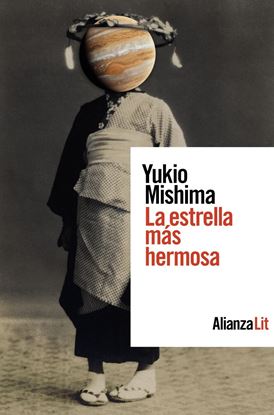
LA ESTRELLA MAS HERMOSA
Escrita en 1962 y considerada por el propio Mishima como una de sus mejores novelas, "La estrella más hermosa" es una comedia negra que cuenta la historia de la familia Osugi, cuyos miembros se dan cuenta de que vienen cada uno de un planeta distinto. El padre procede de Marte, la madre de Júpiter, el hijo de Mercurio y la hija de Venus. Este conocimiento extraterrestre hace que se unan en una misión: encontrar a personas como ellos y salvar así a la humanidad de la bomba atómica.
1,450
1,450
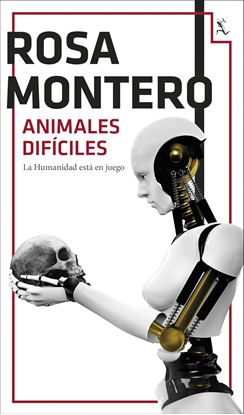
ANIMALES DIFICILES
En el Madrid de 2111, la detective Bruna Husky es contratada para investigar un atentado terrorista en las instalaciones de Eternal, una gran empresa tecnológica. Las primeras pistas la llevan hasta un periodista que sigue los pasos de uno de los asaltantes, pero cuando los implicados empiezan a desaparecer o a morir el rastro se pierde. La detective y su colega, el inspector Lizard, se verán atrapados en un enigma cada vez más sombrío, en una trampa mortífera diseñada por una mente criminal aterradora. Estamos ante una Bruna Husky llena de furia contra el mundo y, sobre todo, contra sí misma, porque ya no es una poderosa tecnohumana de combate, sino un débil androide de cálculo. Y es desde esa nueva fragilidad desde la que debe afrontar el caso más peligroso de toda su carrera.
Animales difíciles plantea aquello que no queremos mirar de frente: la inconsciencia con la que estamos desarrollando una superinteligencia desconocida, un poder absoluto, que no sabemos si seremos capaces de controlar y que puede convertirse en un arma definitiva y brutal.
Rosa Montero cierra por todo lo alto la serie de Bruna Husky, formada por las novelas Lágrimas en la lluvia, El peso del corazón y Los tiempos del odio. Espectacular, emocionante y peligroso, el último caso de la formidable detective es un apasionante rompecabezas de tensión creciente y final luminoso sobre el sentido de la vida y el destino de la Humanidad.
1,450
1,450
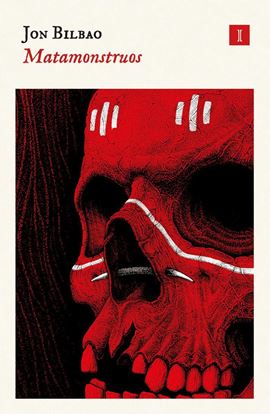
MATAMONSTRUOS
John Dunbar, conocido como «el Basilisco», quiere dar la espalda a su pasado de brutalidad y errancia y vivir por fin en paz junto a su familia. Se asienta con Lucrecia y su hija, Felicidad, en el inhóspito Valle de las Rocas, en pleno territorio navajo. Sin embargo, hasta allí le perseguirán los enemigos más aterradores que haya conocido nunca, unos enemigos que no parecen proceder de su mismo mundo. Por su parte, Jon, el escritor creador de las aventuras del Basilisco, regresa a su pueblo natal. Pretende rehabilitar la vieja casa familiar e instalarse en ella. Mientras, en el lejano oeste, Dunbar acoge al hijo de un antiguo enemigo y duda del amor de Lucrecia, dificultades para las que su experiencia como pistolero no le ha preparado, Jon se topa con una rival que estuvo a punto de arruinarle la vida y que parece dispuesta a intentarlo de nuevo. Así, las vidas del personaje y su autor se aproximan hasta casi confundirse.
1,450
1,450
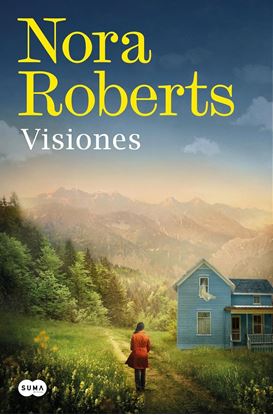
VISIONES
Thea Fox tiene la vida que siempre quiso. Se ha convertido en una reconocida diseñadora de videojuegos, un trabajo que le ha permitido regresar a Redbud Hollow, el lugar donde transcurrió su infancia, junto a su querida abuela. Cuando descubre que su nuevo vecino es su amor platónico de la adolescencia, el guapo cantante líder de la banda Code Red, parece que la vida no puede ser mejor. Sin embargo, el camino para llegar hasta ahí no ha sido fácil. Thea, como su abuela, tiene una habilidad especial que le permite llegar a la mente y el alma de las personas. A veces, incluso puede ver el futuro. Para su abuela es un don, pero ella, desde el día en que presenció el asesinato de sus padres en un sueño, lo siente como una maldición. Gracias a su visión, la policía pudo atrapar al hombre que lo hizo y ponerlo entre rejas.
1,450