

1,500
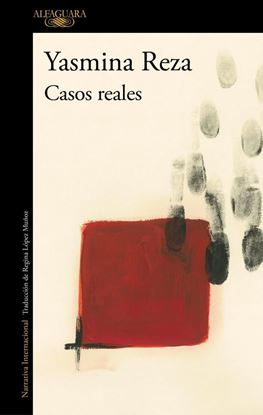
CASOS REALES
Yasmina Reza, aclamada novelista y dramaturga, ha asistido durante más de quince años a procesos judiciales en toda Francia, quizá lo más parecido al teatro que existe en la vida real. Con su mirada aguda para los detalles, despliega aquí las historias reales de personajes que ven cómo su vida se resquebraja ante la justicia.
Mientras retrata pasiones y venganzas que darían para grandes novelas, sus lectores entendemos con un escalofrío que también nosotros podríamos haber cometido esos crímenes y descubrimos los que la misma autora ha cometido sin querer a lo largo de los años.
En escenas de su vida íntima en ciudades como París, Berlín, Venecia o Budapest, Reza demuestra una vez más por qué es una de las voces más dotadas para hablarnos de la vida y sus imperfecciones.
1,500
1,500
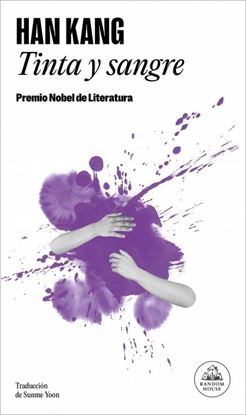
TINTA Y SANGRE
Cuando Inju, una reconocida pintora, muere en un accidente de coche, su mejor amiga, Cheonghee, se niega a creer lo que un crítico de arte afirma: que la artista se suicidó. Cheonghee se embarcará en una investigación obsesiva que la llevará a desentrañar aspectos desconocidos de una biografía cargada de fragilidad y desamparo. Pero la búsqueda de la verdad, a ratos peligrosa, supondrá remover su propia historia, hurgar en viejas heridas y padecer el vértigo que produce el misterio de la existencia.
Los sueños y los recuerdos, el arte y la astrofísica, la poesía y el suspense son algunos de los elementos que componen este peculiar y fascinante thriller que la Premio Nobel escribió después de La vegetariana. En Tinta y sangre, Han Kang profundiza en las mismas preguntas de su anterior novela: «Si no podemos rechazar la vida y el mundo para huir de la violencia, y tampoco podemos convertirnos en plantas, ¿cómo seguir adelante?». En este libro nos da la clave: debemos sobrevivir para dar testimonio de la verdad con nuestras vidas.
1,500
1,500
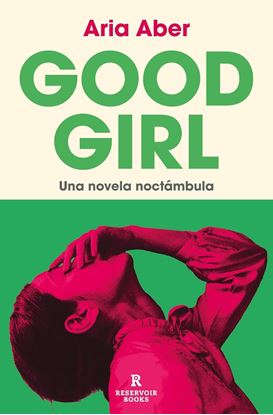
GOOD GIRL
En el universo underground y artístico de Berlín, donde el techno y las drogas palpitan en antiguos almacenes atravesados por las guerras del siglo XX, Nila lucha por entender quién quiere ser. Nacida en Alemania de padres afganos, criada en viviendas públicas cubiertas de esvásticas y magnetizada por la filosofía, la fotografía y el sexo, Nila se mueve en una huida hacia adelante dando forma a un Bildungsroman intoxicado y poético. Aber construye un mundo implacable en un Berlín mugriento y desenreda historias y legados con una pluma hábil que respeta y admite la autodestrucción como herramienta efectiva de autodescubrimiento.
1,500
1,500
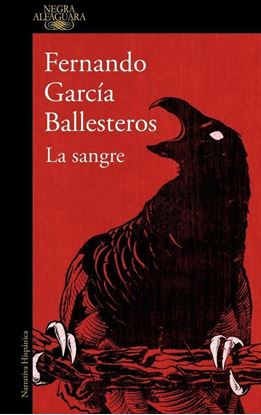
LA SANGRE
Nueva Orleans, 1897. Es la popular noche de Mardi Gras, y Alexander Le Bois, heredero de una de las familias más importantes de la ciudad, empieza a manifestar unos extraños síntomas durante el gran baile celebrado en Ópera Francesa. Isabella, su joven esposa nacida en Cuba y criada en Oviedo, busca desesperadamente ayuda y solo encuentra a Markus, un médico negro sin mucho crédito ni acceso a la medicina reservada a los blancos.
Cuando la misteriosa dolencia de Alexandre empieza a difundirse sin piedad por Nueva Orleans, el inspector Morgan De Sanctis y el doctor Schmidt, responsable del control de epidemias, sospechan que el mal no afecta a todos por igual. Pero nadie imagina que tras su avance se oculta una verdad más oscura y aterradora que cualquier enfermedad.
1,500
1,500
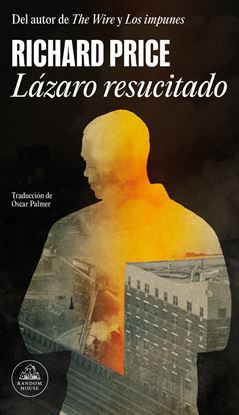
LAZARO RESUCITADO
Es 2008, y un colapso inesperado sacude las calles de Harlem: un edificio de cinco plantas se derrumba, dejando una nube blanca de escombros que lo cubre todo. Mientras los servicios de emergencia y los periodistas irrumpen en escena, el vecindario se sumerge en el caos. Aparecen seis cuerpos sin vida, y hay desaparecidos. Mary Roe, veterana agente del cuerpo de policía desgastada por su trabajo, se obsesiona por hallar a uno de ellos. Felix Pearl, joven fotógrafo recién llegado a la ciudad, capta el horror del derrumbe y la vida del barrio. Royal Davis, propietario de una funeraria al borde de la quiebra, husmea entre los restos de la tragedia en busca de «clientes» que le ayuden a sacar su negocio adelante. Y Anthony Carter, tras un par de días sepultado bajo toneladas de ladrillo, emerge milagrosamente de entre las ruinas para convertirse en un hombre nuevo con una misión y un poderoso mensaje.
1,500
1,500
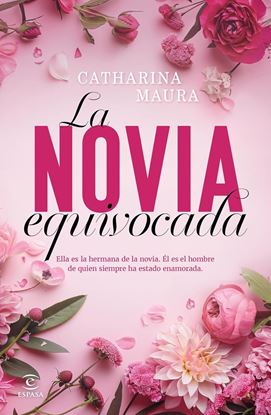
LA NOVIA EQUIVOCADA
Cuando la hermana mayor de Raven Du Pont decide dejar plantado al codiciado magnate Ares Windsor el día de su boda, ella no tiene más remedio que ocupar su lugar y casarse con él para cumplir con el contrato al que están atadas sus familias.
Para Ares además de ser la hermana de su adorada novia, ella siempre ha sido su mejor amiga, pero lo que ni él ni nadie sabe es que Raven ha estado enamorada de él desde que lo conoció.
Esta es la oportunidad perfecta para conquistar al hombre que siempre le había sido negado, y Raven está dispuesta a todo para demostrarle que ella es la única que merece su corazón.
Después de todo, en el amor y la guerra todo se vale, y esto… es la guerra.
1,500