


1,550
NADA MAS QUE PERDER
Cuando se piensa en Najwan Darwish es natural que venga a la mente el poeta palestino de quien ya esta misma casa publicara Exhausto en la cruz, con prólogo de Raúl Zurita. Pero lo que llama la atención de este poemario es la altura de Darwish, su empatía, su dolor puesto en su pueblo, su gente y, ante todo, su capacidad de situarse en el lugar de los habitantes de países enfrentados a una guerra milenaria para la cual no encuentra más solución que hablar desde sí mismo como árabe, armenio, latinoamericano, kurdo, arameo... Su humanismo es universal y habla por todos. Bajo esta mirada, Najwan atraviesa la línea de guerra, duerme en Gaza, mira la sangre, el dolor, la mentira, la injusticia y eleva cada uno de estos elementos que sirven de excusa al mundo para mostrar que la poesía está muy por encima de guerras, territorios, exilios, destierros y silencios obligados.
1,550

1,550
ME OLVIDE DEL CIELO
En 1923, el inspector Basilio Bosc vuelve a Barcelona después de cinco años en Madrid con el encargo de hallar a una niña desaparecida en el cine Coliseum: Cristina Nomdedeu, hija de un importante empresario textil. El regreso de Bosc a su ciudad natal pondrá en evidencia la vida que dejó atrás suspendida con su apresurada marcha, y abrirá viejas heridas: el reencuentro con su familia y también su relación con Joana.
Cuando todas las vías de investigación se van cerrando, el inspector, aturdido además por las revelaciones personales, acudirá al Gabacho, un ladrón respetado en los tugurios del Distrito V y amigo de la infancia. Más pronto de lo esperado, todos los protagonistas de esta historia tendrán que enfrentarse al verdadero mal, aquel que conducirá al lector hasta un final insospechado.
Todo corazón esconde una culpa.
Un thriller histórico y criminal con una mirada nostálgica a nuestro pasado.
1,550

1,550
TITERE CON CABEZA
Títere con cabeza es un beatus ille moderno, una crítica desde el humor y la reflexión cáustica a nuestra vida actual, tan llena y tan vacía, a nuestras estructuras mentales y sociales, y una llamada a la animalidad, al instinto y a dar valor a las cosas más anodinas y sencillas de la existencia.
A través de los relatos de este libro, Manolo García nos introduce en una máquina del tiempo, nos hace viajar al pasado, a Woodstock o a la guerra civil española, y a la vez nos proyecta a futuros donde la IA y los androides son protagonistas. Sin embargo, los personajes de todos ellos parten de una premisa común: su pasmosa, simple y minúscula condición de humanidad. Son historias anti épicas, anti heróicas, de supervivencia y picaresca, que componen un retrato grotesco y a la vez entrañable de todos nosotros.
1,550

1,550
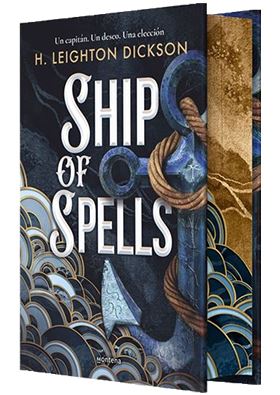
ASESINO DE BRUJAS: HIJOS REY (2) (ED.LI)
Lou, Reid, Coco y Ansel huyen no solo del aquelarre, sino también del reino y de la Iglesia. Son fugitivos y no tienen donde ocultarse.
Para sobrevivir, necesitan aliados. Y unos muy poderosos. Pero mientras Lou se preocupa cada vez más por salvar a sus seres queridos, se adentra en el lado oscuro de la magia. Y el precio a pagar podría ser la persona a la que más teme perder: Reid.
Ellos están unidos por un juramento y solo existe una cosa que puede separarlos: la muerte.
1,550

1,550
CAFE ENGEL 5. UNA EPOCA DORADA
Wiesbaden, 1965. El Café del Ángel vive años prósperos bajo la dirección de Hilde y necesita con urgencia más personal. Pero cuando Hilde contrata a un nuevo camarero italiano, Giuseppe, a sus padres les resulta difícil aceptar su mentalidad «sureña». También hay turbulencias en el matrimonio de su hermano, Willi, que triunfa en el teatro de Wiesbaden mientras coquetea con una guapa compañera. Cuando la situación en el café llega a un punto insostenible, Hilde decide hacer las maletas. Inspirada por las descripciones de Giuseppe de su tierra natal, parte hacia Italia con su cuñada Svetlana. Ambas anhelan tomarse un respiro, pero ¿realmente van a dejar el café en manos de la familia? El sol del verano y el mar azul pueden hacer olvidar todas las dudas...
1,550

1,550
LA SOCIEDAD DE LA PLUMA Y LA ROSA
Madrid, 1917. Pola, Lorea, Violet, Iris y Marga son un grupo de amigas que fundan un club de lectura en la librería La Pluma. Cada una de ellas tiene una historia personal diferente, pero todas intentan salirse del guion establecido. La desaparición del sobrino de una de ellas hará que las reuniones del club se conviertan en un pretexto para alcanzar la verdad. Lo que desconocen es que esta aventura detectivesca pondrá en peligro la libertad que tanto anhelan.
1,550