

1,995
1,596
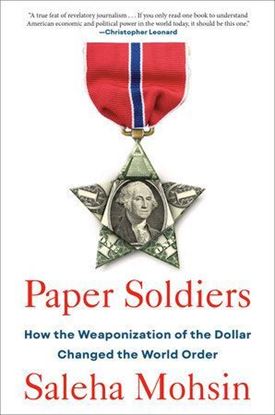
PAPER SOLDIERS
In 1995, Treasury Secretary Robert Rubin re-defined the next thirty years of currency policy with the mantra, “A strong dollar is in America’s interest.” That mantra held, ushering in exceptional prosperity and cheap foreign goods, but the strong dollar policy also played a role in the devastating hollowing out of America’s manufacturing sector. Meanwhile, abroad, the United States increasingly turned to the dollar as a weapon of war. In Paper Soldiers, Saleha Mohsin reveals how the Treasury Department has shaped U.S. policy at home and overseas by wielding the American dollar as a weapon—and what that means in a new age of crisis.
For decades, America has preferred its currency superpower-strong, the basis of a “strong dollar” policy that attracted foreign investors and pleased consumers. Drawing on Mohsin’s unparalleled access to current and former Treasury officials like Robert Rubin, Steven Mnuchin, and Janet Yellen, Paper Soldiers traces that policy’s intended and unintended consequences, including the rise of populist sentiment and trade war with China—culminating in an unprecedented attack on the dollar’s pristine status during the Trump presidency—and connects the dollar’s weaponization from 9/11 to the deployment of crippling financial sanctions against Russia. Ultimately, Mohsin argues that, untethered from many of the economic assumptions of the last generation, the power and influence of the American dollar is now at stake.
With first-hand reporting and fresh analysis that illustrates the vast, often unappreciated power that the Treasury Department wields at home and abroad, Paper Soldiers tells the inside story of how we really got here—and the future not only of the almighty dollar, but the nation’s teetering role as a democratic superpower.
1,995
1,596
1,995
1,596
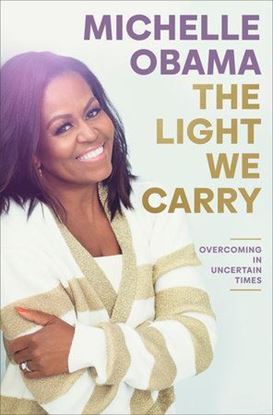
THE LIGHT WE CARRY
There may be no tidy solutions or pithy answers to life’s big challenges, but Michelle Obama believes that we can all locate and lean on a set of tools to help us better navigate change and remain steady within flux. In The Light We Carry, she opens a frank and honest dialogue with readers, considering the questions many of us wrestle with: How do we build enduring and honest relationships? How can we discover strength and community inside our differences? What tools do we use to address feelings of self-doubt or helplessness? What do we do when it all starts to feel like too much?
Michelle Obama offers readers a series of fresh stories and insightful reflections on change, challenge, and power, including her belief that when we light up for others, we can illuminate the richness and potential of the world around us, discovering deeper truths and new pathways for progress.
1,995
1,596
1,995
1,596
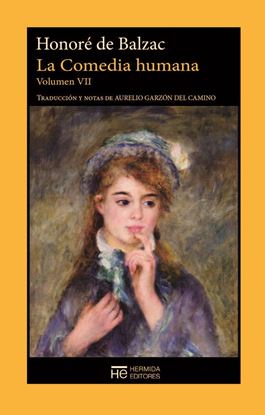
LA COMEDIA HUMANA VOL.VII
Théophile Gautier destacó de la obra de su amigo Balzac que con su profundo instinto de la realidad comprendió que la vida moderna que quería pintar estaba dominada por un hecho capital, el dinero. Este volumen incluye las siguientes novelas: Petrilla, El cura de Tours, Un hogar de soltero, La solterona y El gabinete de los antiguos.
1,995
1,596
1,995
1,596
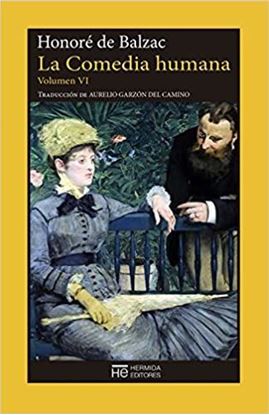
LA COMEDIA HUMANA VOL.VI
A lo largo de veinte años, Balzac escribió dieciséis horas diarias. El resultado de este esfuerzo titánico se materializó en la escritura de noventa y cinco novelas. En sólo tres años escribió más de veinte, alentado por su relación amorosa con la condesa polaca Eveline Hanska. Entre ellas figuran tres de las cuatro que se incluyen en este volumen, dentro de la serie Escenas de la vida de provincia: El ilustre Gaudissart (1832), Eugénie Grandet (1834) y La musa de la provincia, que comenzó a escribir en 1832 y revisó en 1837, año de su publicación. En 1841 publicó Ursule Mirouët.
1,995
1,596
1,995
1,596
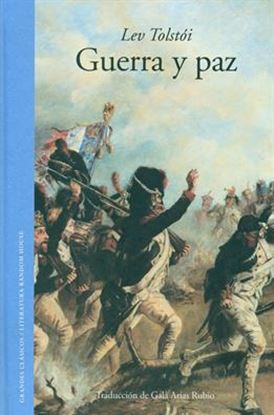
GUERRA Y PAZ (TD)
Obra cumbre, junto a Ana Karenina, de Lev Tolstói y de la narrativa del XIX, Guerra y paz constituye un vasto fresco histórico y épico.Con la campaña napoleónica contra Rusia como trasfondo -Austerliz, Borodino o el incendio de Moscú- entre los años 1805 y 1813, se nos cuenta la historia de dos familias de la nobleza rusa, los Bolkonski y los Rostov, protagonistas de un mundo que empieza a escenificar su propia desaparición.
1,995
1,596
1,995
1,596
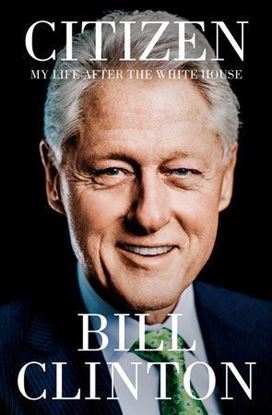
CITIZEN
On January 20, 2001, after nearly thirty years in politics—eight of them as president of the United States—Bill Clinton was suddenly a private citizen. Only fifty-four years old, full of energy and ideas, he wanted to make meaningful use of his skills, his relationships with world leaders, and all he’d learned in a lifetime of politics, but how? Just days after leaving the White House, the call came to aid victims of a devastating earthquake in India, and Clinton hit the ground running. Over the next two decades, he would create an enduring legacy of public service and advocacy work, from Indonesia to Louisiana, Northern Ireland to South Africa, and in the process reimagine philanthropy and redefine the impact a former president could have on the world.
1,995
1,596