

2,400
1,920
LA CASA DE HOJAS
Al regresar a casa una noche, los Navidson, Will, Karen y sus dos hijos, que acaban de mudarse a Virginia, observan que ha aparecido una nueva habitación, como si siempre hubiera estado allí. ¿Un simple descuido? ¿Un elaborado engaño? Will descubre que la casa presenta una anomalía singular: su interior parece ligeramente más grande de lo que debería ser según sus dimensiones exteriores. Comienza así El expediente Navidson, un fascinante documento que narra los sucesos acaecidos en la casa de Ash Tree Lane, la casa de hojas.
2,400
1,920
2,450
1,960
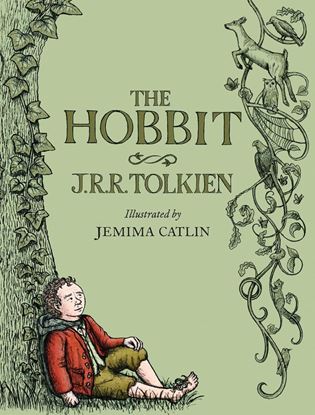
THE HOBBIT: ILLUSTRATRATED EDITION
In The Hobbit, Bilbo Baggins enjoys a comfortable, unambitious life, rarely traveling farther than the pantry of his hobbit-hole in Bag End. But his contentment is disturbed when the wizard Gandalf and a company of thirteen dwarves arrive on his doorstep to whisk him away on a journey to raid the treasure hoard of Smaug the Magnificent, a large and very dangerous dragon....
2,450
1,960

2,500
2,000
THE FIRST AND LAST KING OF HAITI
Slave, revolutionary, traitor, king, and suicide, Henry Christophe was, in his time, popular and famous the world over. Born in 1767 to an enslaved mother on the Caribbean island of Grenada, Christophe first fought to overthrow the British in North America, before helping his fellow enslaved Africans in Saint-Domingue, as Haiti was then called, to gain their freedom from France. Yet in an incredible twist of fate, Christophe ended up fighting with Napoleon’s forces against the very enslaved men and women he had once fought alongside. Later, reuniting with those he had betrayed, he offered to lead them and made himself their king. But it all came to a sudden and tragic end when Christophe—after nine years of his rule as King Henry I—shot himself in the heart, some say with a silver bullet.
Why did Christophe turn his back on Toussaint Louverture and the very revolution with which his name is so indelibly associated? How did it come to pass that Christophe found himself accused of participating in the plot to assassinate Haiti’s first ruler, Dessalines? What caused Haiti to eventually split into two countries, one ruled by Christophe in the north, who made himself king, the other led by President Pétion in the south?
The First and Last King of Haiti is a riveting story of not only geopolitical clashes on a grand scale but also of friendship and loyalty, treachery and betrayal, heroism and strife in an era of revolutionary upheaval.
2,500
2,000
2,500
2,000
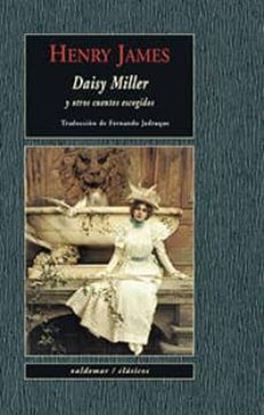
DAISY MILLER (TD)
Henry James, hijo de un destacado teólogo y profesor norteamericano del mismo nombre, y hermano menor del filósofo William James, fue un niño tímido y adicto a los libros. Cuando era adolescente su familia viajó a Ginebra, París y Londres, donde James aprendió idiomas y adquirió un conocimiento del carácter europeo como pocos estadounidenses de su época. Uno de los temas recurrentes en su obra futura sería precisamente el choque entre la inocencia y exuberancia del Nuevo Mundo y la más sabia y sofisticada cultura aristocrática europea. La primera historia corta publicada por Henry James, "Una tragedia de enredo", que abre este volumen, apareció anónimamente en The Continental Monthly en 1864. Poco después, James se hizo amigo de William Dean Howells, editor de The Atlantic Monthly, que publicó sus obras de forma regular. Henry James fue uno de los escritores más prolíficos del siglo XIX. Sus obras más conocidas, Retrato de una dama (1881), Las bostonianas (1886) y Los embajadores (1903), así como muchos de sus relatos, en especial "La figura en la alfombra" (1896) y "Otra vuelta de tuerca" (1898), no han dejado de publicarse y leerse hasta nuestros días. El presente volumen reúne veinte relatos aparecidos entre 1864 y 1909 que abarcan los diferentes periodos de la carrera literaria de Henry James.
2,500
2,000

2,500
2,000
CUENTOS COMPLETOS (ZOLA)
Figura clave en la historia de la literatura europea, ÉMILE ZOLA (1840-1902), padre del naturalismo, cronista de su tiempo, exiliado político, amigo de Cézanne y Turguéniev, es conocido sobre todo por su amplia y ambiciosa producción novelística, entre la que destacan clásicos como Thérèse Raquin o Nana, y, de manera especial, la saga Los Rougon-Macquart, un vasto fresco en veinte títulos que pretendía ser otra Comedia Humana en el que describió su exhaustiva visión de la sociedad del Segundo Imperio y de la segunda mitad del siglo XIX, y en el que abordó las grandes cuestiones de ese momento que, en buena medida, siguen siendo las nuestras. Sin embargo, su faceta como cuentista, tanto o más interesante que la anterior, había quedado relegada a un injusto segundo plano del que esta edición pretende rescatarlo. Preparada por MAURO ARMIÑO que se ha encargado de reunir en esta misma colección los Cuentos completos de Maupassant, Balzac y Schwob, esta edición reúne todos los libros de cuentos de ZOLA (desde los Contes à Ninon, de 1864, a Naïs Micoulin, de 1884) publicados en vida, así como todos aquellos relatos que hubieran quedado dispersos o no recogidos en ningún volumen. Una edición integral sorprendente, rica en registros y propuestas, y, sobre todo, una de las cumbres de la narrativa breve moderna.
2,500
2,000
2,500
2,000
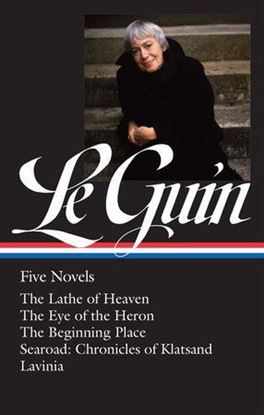
LE GUIN: FIVE NOVELS (LOA #379)
This 7th volume in the definitive Library of America edition of Ursula K. Le Guin’s works presents 5 remarkable standalone novels that showcase her boundless creativity and literary range.
In the Locus Award–winning The Lathe of Heaven (1971), one of Le Guin’s most admired works of science fiction, George Orr begins have effective dreams: dreams that change reality itself. But when he turns to the sleep researcher William Haber for help, the doctor sees an opportunity to use Orr’s strange gift for his own ends.
A former Terran prison colony on the planet Victoria seems destined for revolution in The Eye of the Heron (1978), when the authoritarian leaders in the City try to assert control over the peaceful farmers who have been sent to live around them.
The Beginning Place (1980) is a parable-like story in which Hugh and Irena have both found their way to the Beginning Place, a gateway to another world. The two initially become enemies, but must learn to work together when the utopia they’ve found turns out to have a shadow.
The long out-of-print Searoad: Chronicles of Klatsand (1991) is a Winesburg, Ohio-like series of linked stories set in a small vacation town on the Oregon coast, where some of the characters have come for a weekend and some for longer, but all are pilgrims in the grip of inexpressible longings.
2,500
2,000