

1,995
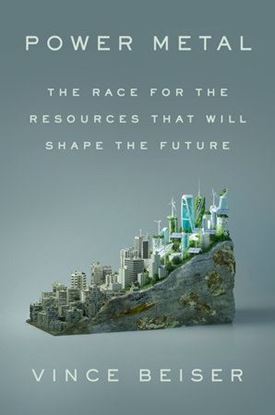
POWER METAL
An Australian millionaire’s plan to mine the ocean floor. Nigerian garbage pickers risking their lives to salvage e-waste. A Bill Gates-backed entrepreneur harnessing AI to find metals in the Arctic.
These people and millions more are part of the intensifying competition to find and extract the minerals essential for two crucial technologies: the internet and renewable energy. In Power Metal, Vince Beiser explores the Achilles’ heel of “green power” and digital technology – that manufacturing computers, cell phones, electric cars, and other technologies demand skyrocketing amounts of lithium, copper, cobalt, and other materials. Around the world, businesses and governments are scrambling for new places and new ways to get those metals, at enormous cost to people and the planet.
Beiser crisscrossed the world to talk to the people involved and report on the damage this race is inflicting, the ways it could get worse, and how we can minimize the damage. Power Metal is a compelling glimpse into this disturbing yet potentially promising new world.
1,995
1,995
TODO PARADISO
Era y es Paradiso una verdadera meditación sobre el génesis del hombre, sobre el génesis mismo.María ZambranoLeo Paradiso poco a poco con creciente asombro y deslumbramiento. Un edificio verbal de riqueza increíble, mejor dicho, no un edificio sino un mundo de arquitecturas en continúa metamorfosis.Octavio Paz[] la excitación, el deslumbramiento, la perpleja admiración que deja en el lector esta expedición por ese gigantesco e insólito Paradiso, concebido por un gran creador y propuesto a sus contemporáneos como territorio de goces infinitos.Mario Vargas Llosa[] Lezama Lima, intercesor de oscuras operaciones de ese espíritu que precede al intelecto, de esas zonas que gozan sin comprender, del tacto que oye, del labio que ve, de la piel que sabe de las flautas a la hora pánica y del terror en las encrucijadas con luna llena.Julio CortázarJuntos por primera vez en cualquier lengua, aquí están los XXIV capítulos revisados de la inconclusa Paradiso-Oppiano Licario, la novela órfica de uno de los escritores canónicos del siglo XX. Las crónicas de La Habana del poeta, ensayista y narrador José Lezama Lima (1910-1976) fueron el libro inaugural de Verbum en 1990. A ellas Verbum suma hoy numerosos volúmenes de su bibliografía directa e indirecta.
1,995
1,995
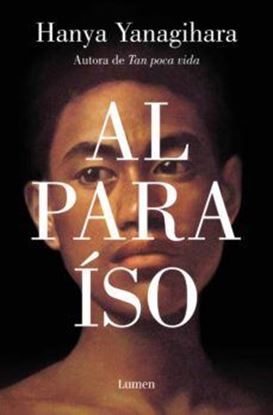
AL PARAISO
En una versión alternativa de la América de 1893, Nueva York forma parte de los Estados Libres, donde el matrimonio homosexual está permitido. Un muchacho de familia distinguida se debate entre casarse con un pretendiente elegido por su abuelo o escoger a un profesor de música con pocos recursos de quien está enamorado. En un Manhattan de 1993 asediado por «la enfermedad», un joven hawaiano vive con su pareja, cuya edad e ingresos superan con creces los suyos, y le oculta su infancia problemática y el destino de su padre. Y en 2093, en un mundo asolado por plagas y gobernado por un estado totalitario, un poderoso científico y su familia intentan encontrar las estrategias necesarias para sobrevivir sin perderse unos a otros por el camino.
Como en una sinfonía fascinante e ingeniosa, estas tres partes conforman una novela monumental, histórica y distópica en la que el amor parece imposible y, sin embargo, los protagonistas, con sus limitaciones y secretos, se obstinan en buscarlo como único modo de llegar al paraíso.
1,995
1,995
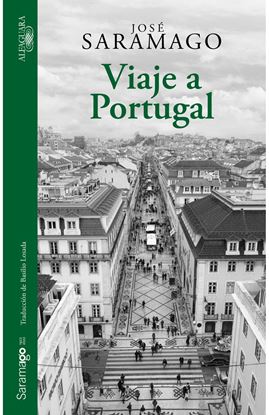
VIAJE A PORTUGAL (ILUSTRADO)
«El fin de un viaje es sólo el inicio de otro. Hay que ver lo que no se ha visto, ver otra vez lo que ya se vio. Hay que volver alos pasos ya dados, para repetirlos y para trazar caminos nuevos a su lado. Hay que comenzar de nuevo el viaje. Siempre.El viajero vuelve al camino».
Entre octubre de 1979 y julio de 1980, José Saramago recorrió Portugal en un itinerario que le llevó de Trás-os-Montes al Algarve y desde Lisboa hasta el Alentejo. Este libro, en el que se entremezcla la crónica con la narración y los recuerdos, es el resultado de ese viaje. Saramago se revela en él como un viajero de gran sensibilidad, siempre atento a lo que ven sus ojos, a descifrar la realidad del país y entender también con ello su pasado.
Esta edición especial de Viaje a Portugal, publicada con ocasión del centenario del nacimiento del Nobel portugués, incluye, por primera vez, todas las fotografías que Saramago realizó durante su viaje —casi todas inéditas— junto con otras del fotógrafo Duarte Belo.
1,995
1,995
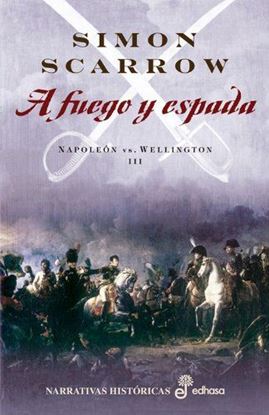
A FUEGO Y ESPADA (NAPOLEON 3)
A finales de 1804, Napoleón y Wellington intentan cada uno de distinta forma de escapar de sus respectivas mujeres (Josefina y Kitty Pakenham respectivamente) y, curiosamente, ambos dirigen su mirada a la península Ibérica: Napoleón con el objetivo de poner a uno de sus hermanos al frente de un país en el que la política y la religión se han convertido en grandes campos de batalla entre aristocracia, clero y pueblo llano; Wellington, con la intención de huir del politiqueo de baja estofa que se ha adueñado de Londres y con el deseo de eclipsar la aureola que rodea al héroe del momento, el capitán Nelson.
Simon Scarrow ha puesto en pie uno de los ciclos históricos más apasionantes jamás escritos, entre cuyas virtudes se cuenta el ofrecernos una visión más clarificadora y exacta de las guerras napoleónicas que muchos tratados de historia.
1,995
1,995
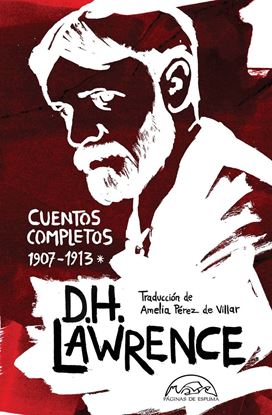
CUENTOS COMPLETOS (1) (1907-1913)
Por obras tan rotundas como El amante de Lady Chatterley o El arco iris, David Herbert Lawrence (1885-1930) no solo pasó a la historia de la literatura, sino que lo hizo como un provocador e incómodo crítico de la sociedad, pero también –y en ocasiones de forma injusta– como un autor erótico, decididamente obsceno al que había que leer a escondidas.
El conjunto de su narrativa breve, sin embargo, viene a demostrar que la literatura de Lawrence podía ser tan compleja y variada como lo fue su autor –poliédrico, dinámico, puro instinto, arrebato y pasión–, y despertar la admiración de autores como Ezra Pound, Ford Maddox Ford, E. M. Foster, Anthony Burgess o Aldous Huxley.
1,995
1,995
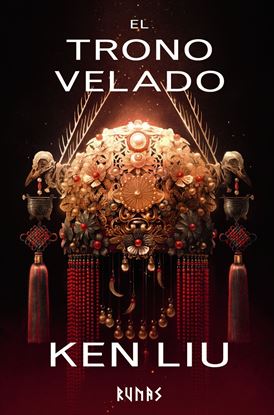
EL TRONO VELADO (3)
La princesa Théra deja el trono en manos de su hermano pequeño para luchar contra los lyucu en Ukyu-Gondé. Ha cruzado el legendario Muro de las Tormentas con una flota de guerra y diez mil combatientes. En Dara, mientras tanto, las corrientes de poder fluctúan al vaivén de las rivalidades de los líderes lyucu y la corte del Diente de León. Aquí, padres e hijos, maestros y discípulos, emperatriz y pékyu, alimentan las semillas de planes que tardarán años en germinar. En todas partes, el espíritu de la innovación flota en el ambiente como semillas de diente de león y el pueblo, los olvidados y los ignorados empiezan a ingeniar soluciones para una nueva era. En la tradición de las grandes epopeyas de nuestra historia, Ken Liu construye en esta saga una historia de formidable alcance y magnitud.
1,995
1,995
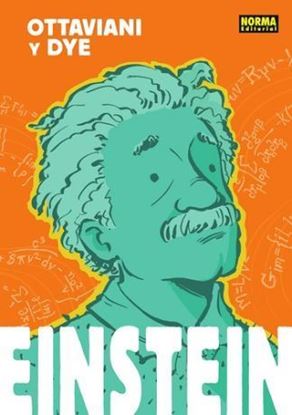
EINSTEIN
LA BIOGRAFÍA DEL GENIO MÁS CONOCIDO DEL SIGLO XX.
Una ecuación que cambió el mundo y un pelo alborotado es lo único que nos viene a la cabeza a la mayoría al pensar en Albert Einstein, una de las mentes más privilegiadas de la historia. Pese a ser un nombre conocido en vida y un icono en nuestro tiempo, quién era Einstein en realidad seguía siendo un misterio incluso para algunos de sus amigos más íntimos.
Esta es la historia de un científico que cometió muchos errores y que, incluso cuando quería que se demostrara que estaba equivocado, al final a menudo tenía razón. Es la historia de un humanista al que le costaba conectar con la gente. Y es la historia de un revolucionario reticente que pagó un precio muy alto por vivir con un solo sueño. En Einstein, Jim Ottaviani y Jerel Dye nos llevan a los bastidores de la fama para elaborar un retrato complejo e íntimo del científico cuyo nombre se ha convertido en sinónimo de genio.
1,995
1,995
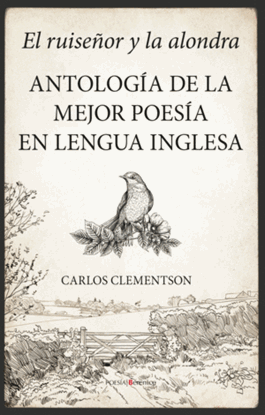
EL RUISEÑOR Y LA ALONDRA. ANTOLOGIA M.
Desde hace varias décadas la presencia de la poesía inglesa en la vida cultural española ha superado el desconocimiento que secularmente, con notables excepciones, flotaba en nuestro ámbito literario y nuestros escritores, entre los que, pasada ya la fecunda influencia renacentista italiana, venía imponiendo sus leyes la canónica tradición literaria francesa. Pero de un tiempo a esta parte, desde hace algo ya más de medio siglo, tanto en los medios editoriales como en los hábitos lectores, no sólo la narrativa, el teatro y el ensayo anglosajones, sino también la poesía, han venido gozando de una gran proyección sobre la vida intelectual española. Hasta tal punto que nombres como, no solo los más divulgados de Poe y Whitman, sino más minoritarios y elitistas como los de Blake, Keats o Emily Dickinson, e incluso los de Pound, T. S.Eliot, o Auden, han dejado una viva impronta en nuestra más reciente poesía, floreciendo también una notable serie de traducciones de poetas ingleses y angloamericanos.
1,995