

1,150
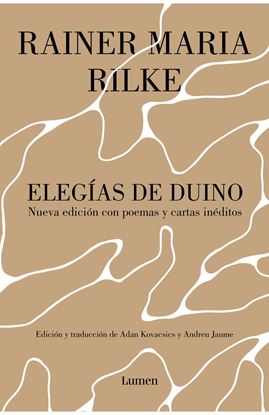
ELEGIAS DE DUINO CON INEDITOS (NUEVA ED)
En 1923 vieron la luz las Elegías de Duino, uno de los ciclos poéticos más influyentes del siglo XX. Rainer Maria Rilke había empezado a escribirlo diez años antes, una década en la que el mundo cambió de forma vertiginosa. Las elegías dan vueltas a todo lo que estaba desapareciendo en un entorno cada vez más tecnificado: el sentido de la trascendencia, el amor más profundo y radical, la condición efímera del ser humano. Este volumen incluye, además de una nueva traducción a cargo de Adan Kovacsics y Andreu Jaume, los poemas que Rilke escribió en aquella época sobre la misma temática y una selección de cartas sobre la gestación de la obra. Todo esto la convierte en la edición más completa, ambiciosa y rigurosa que se ha hecho en castellano de este clásico de las letras europeas.
1,150
1,150
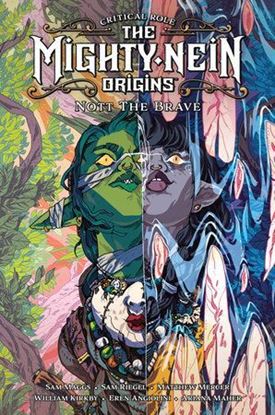
CRITICAL ROLE: THE MIGHTY NEIN ORIGINS
Veth Brenatto doesn’t have an exciting life, but she likes it that way. Unlike her childhood, it’s safe. Predictable. And her husband and son love her almost as fiercely as she loves them. But Veth’s cozy existence is turned on its head when she and her family are captured by raiders. In order to save them, Veth will commit an atrocity that will sever her from all that she loves––maybe forever––and lead her to become Nott the Brave of the Mighty Nein.
1,150
1,150
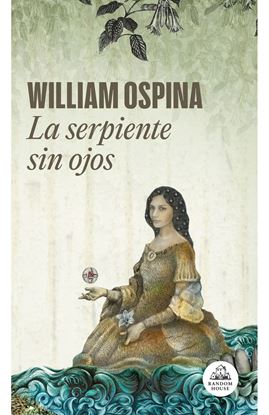
LA SERPIENTE SIN OJOS (TB)
«[...] Nunca había estado Ursúa en mejores condiciones para emprender una aventura, más vigoroso, más dueño de su voluntad y de su lenguaje, y nunca, sin embargo, empezó a sentirse tan lejos del deseo de viajar, de iniciar campañas guerreras, de cabalgar persiguiendo sueños tras las montañas. [...] Cuando ya se sentía a las puertas del tesoro soñado por años, un tesoro más inmediato y deleitable lo había envuelto en sus redes, y si estuviera todavía a su lado Juan de Castellanos, tal vez el poeta habría dicho que la guerra y el amor se estaban disputando el corazón de Ursúa, y que siendo divinidades igualmente poderosas, era comprensible que el resultado fuera una invencible inmovilidad.»
1,150

1,150
QUE COMIENCE EL JUEGO. KISS ME 1
ÉL VIVÍA EN EL CAOS.
ELLA BUSCABA EL ORDEN.
JUNTOS ERAN PASIÓN Y SORTILEGIO, SUEÑO Y REALIDAD.
Ella quería el cuento de hadas, no la locura. Pero ¿y si la locura fuese el verdadero cuento de hadas?
Recién llegada a Nueva York para tratar de recomponer la relación con su padre, Selene va a parar a una mansión de sueño con él, su nueva compañera y los hijos de esta. El mayor es Neil, un chico fascinante y enigmático en lucha permanente contra un pasado oscuro que no le da tregua. Como una palomilla atraída por la luz, Selene se siente cautivada por Neil. En un crescendo de eros y pasión, la chica demuestra estar dispuesta a todo con tal de entrar en la prisión de cristal donde él se ha encerrado para protegerse del mundo. Pero Neil no está dispuesto a abrirse a nadie, ni siquiera a Selene. Por más que se sienta atraído por ella, no quiere comprometerse. Sobre todo cuando en su vida irrumpe Player 2511, un desequilibrado en busca de venganza que la tiene tomada con él y su familia. Con sus enigmas, sus amenazas y sus ataques, el despiadado desconocido arrastra a Neil en un juego perverso y peligroso que tratará de ganar a toda costa, desatando una lucha sin cuartel. A merced de Player 2511, ¿logrará Neil no perderlo todo, incluso a Selene?
1,150
1,150
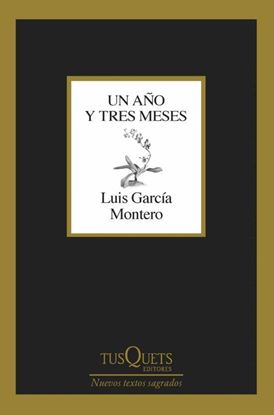
UN AÑO Y TRES MESES (TD)
¿Es la tristeza, la devastación íntima, lo que nos da la medida de nuestro amor cuando perdemos al ser amado? ¿O será tal vez la intimidad de la convalecencia una extraña forma de ternura, el último asidero de la felicidad compartida?
Un año y tres meses reúne los poemas escritos por Luis García Montero a raíz de la pérdida de su mujer, Almudena Grandes. Son poemas que evocan con delicadeza y emoción contenida a veces, desatada otras, la enfermedad y la convalecencia de ella, la vivencia y la emoción de lo vivido.
1,150
1,150
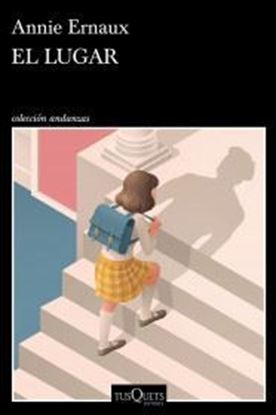
EL LUGAR
Cuando nos salimos del camino marcado, las distancias con quienes nos rodean a veces son insuperables.
En abril de 1967, la autora y protagonista, por entonces joven aspirante a profesora de secundaria, supera el examen de capacitación en un liceo de Lyon para orgullo (y recelo) de su padre, antiguo obrero que, procedente del medio rural y tras trabajar duramente, ha acabado convertido en propietario de un pequeño comercio en las provincias. Para ese padre, todo eso significa otro paso adelante en su difícil ascenso social; sin embargo, poco le dura esta satisfacción, ya que fallece dos meses después. Padre e hija han traspasado sus respectivos «lugares» dentro de la sociedad. Pero se han mirado entre sí con suspicacia, y la distancia entre ambos ha ido tornándose cada vez más dolorosa. El lugar se centra, pues, no sólo en los complejos y prejuicios, los usos y las normas de comportamiento de un segmento social de límites difusos, cuyo espejo es la culta y educada burguesía urbana, sino también en la dificultad de habitar en un espacio propio dentro de la sociedad.
1,150
1,150
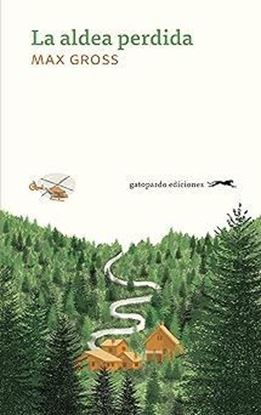
LA ALDEA PERDIDA
¿Y si una aldea perdida en los bosques de Polonia hubiese escapado milagrosamente a los horrores del siglo XX?
Los habitantes de Kreskol, un shtetl o aldea judía, llevan más de cien años felizmente aislados del mundo: desconocen el Holocausto y la Guerra Fría, e inventos modernos como el automóvil, el smartphone o el saneamiento. Hasta que una disputa matrimonial los obliga a entrar bruscamente en el siglo XXI. Una mañana, tras un amargo divorcio, la joven Pesha Lindauer desaparece sin dejar rastro. Alarmados, los rabinos encargan a Yankel Lewinkopf, el tonto del pueblo, que se aventure al exterior para alertar a las autoridades. En su periplo, Yankel descubre la belleza y el espanto de la vida moderna. Incapaces de creer su relato, los polacos lo toman por loco y lo ingresan en un centro psiquiátrico. Cuando, finalmente, se compruebe que dice la verdad, acaparará la atención de todos los medios.
1,150
1,150
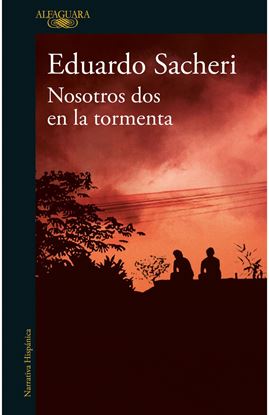
NOSOTROS DOS EN LA TORMENTA
Dos jóvenes integrantes de distintas organizaciones armadas mantienen su amistad de toda la vida reuniéndose como pueden, en los intersticios que les permiten sus actividades revolucionarias.
Nosotros dos en la tormenta cuenta el día a día de dos militantes, de dos células, de sus acciones violentas y de aquellos que se ven afectados por estas: las víctimas y sus familias, pero también los seres queridos de los propios guerrilleros. Es la historia del entusiasmo y las dudas, del arrojo y la rivalidad, del encandilamiento que provoca fijar la vista sin descanso en un sol brillante e imperioso, de la dinámica enloquecida de una época turbulenta, donde el tiempo jugará en contra de todos y le abrirá camino al poder de la muerte.
Inquietante, conmovedora y cercana, esta novela nos retrotrae a la década del setenta de un modo nuevo: sin esquivar las paradojas y descubriendo a los seres humanos cobijados bajo las banderas de los apasionamientos políticos más extremos.
1,150
1,150
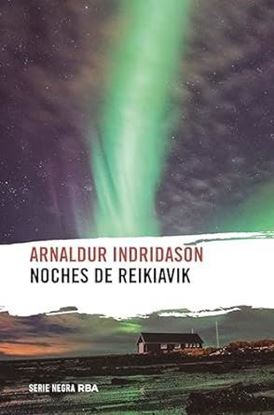
NOCHES DE REIKIAVIK
En una antigua zona de marismas de la capital islandesa, aparece flotando en un estanque el cadáver de un vagabundo. Como a casi nadie le importa su muerte, la policía archiva rápidamente el caso. Un problema menos. Sin embargo, un joven agente llamado Erlendur, que conocía al mendigo de sus rondas por el corazón de la ciudad, empieza a obsesionarse con las circunstancias del trágico suceso. Hay varios detalles que indican que no se trató de un simple accidente y Erlendur tiene la firme convicción de que todos merecen justicia.
1,150