1,150
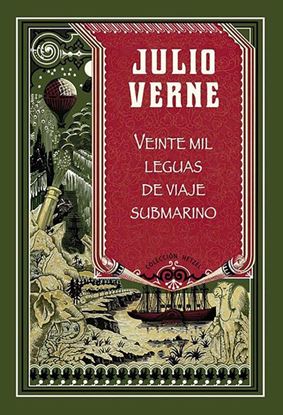
VEINTE MIL LEGUAS DE VIAJE SUBMARINO RBA
DE VIAJE SUBMARINO (HETZEL)
Como reacción a la desaparición de barcos atribuida a un monstruo submarino, el Gobierno estadounidense decide enviar una expedición formada por el doctor Pierre Aronnax, su compañero Conseil y un arponero canadiense a desentrañar el misterio. Sin duda, una de las novelas más famosas del género de aventuras, en la que Verne dio vida a uno de sus personajes inolvidables: el capitán Nemo.
1,150
1,150
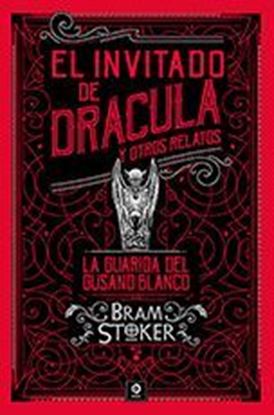
EL INVITADO DE DRACULA (PIEL DE CLAS E)
El invitado de Drácula. Es el primero de los relatos compilados. La acción se desarrolla en la noche de Walpurgis, la noche del 30 de abril, la «noche del espanto y del horror» en la que los muertos salen de sus tumbas y caminan. El protagonista decide adentrarse esa noche especial, en la que no cree, en una población abandonada, contra la opinión del cochero alemán que lo lleva. Allí visita el cementerio, empieza una gran tormenta de nieve, se refugia en un mausoleo y es sorprendido por una criatura medio demoníaca de la que lo salva un grupo de soldados. Los soldados lo llevan de vuelta al hotel y el director del mismo le muestra una nota del mismo Drácula en la que le recomienda que lo cuide mucho.
1,150
1,150
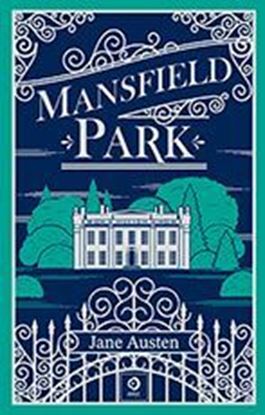
MANSFIELD PARK (PIEL DE CLAS. EXTR)
Mansfield Park se publicó por primera vez en mayo de 1814. En Mansfield Park hay comicidad satírica, ácida crítica social, rezuma feminismo y hasta un punto de activismo antiesclavista... También es una historia de amor, llena de personajes excelentes y malvados.
1,150
1,150
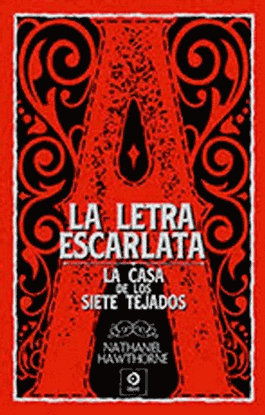
LA LETRA ESCARLATA /LA CASA (PIEL CL.TD)
La temática principal de La letra escarlata es la vergüenza y el estigma social, como se aprecia tanto en la humillación pública de Hester Prynne como en la vergüenza privada de Dimmesdale y el miedo a verse expuesto. En particular, nunca se habla de la relación entre ellos, de forma que las circunstancias que llevaron al embarazo de Prynne nunca forman parte de la trama.
1,150
1,150
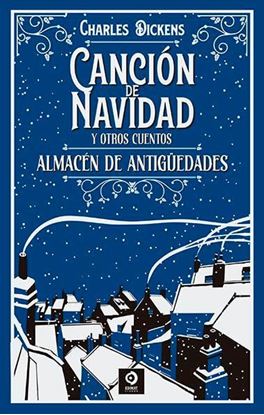
CANCION DE NAVIDAD Y OTROS CUENTOS
Mientras Dickens estuvo en Italia, viajando, conociendo y escribiendo, se fueron gestando las famosas narraciones de Navidad. Dickens disfrutaba de la Navidad, de aquellas tres acciones que Chesterton denomina esa trinidad compuesta de comer, beber y rezar . Estas obras desarrollan reflexiones alrededor de la avaricia y de la caridad dentro de las paredes que sirven de refugio al frio invierno. Seguramente los lectores hayan tenido la oportunidad de ver las versiones televisadas de Los cuentos de Navidad. El avaro Scrooge, transforma nuestros espíritus y nos hace sentir la Navidad.
1,150
1,150
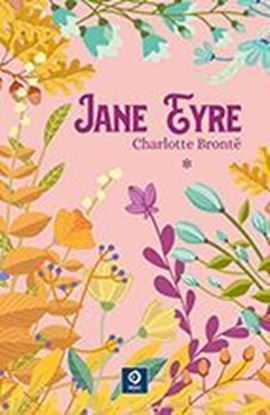
JANE EYRE (EDIMAT) (TD) (O.C.)
Jane Eyre está considerada una de las primeras novelas feministas y hay que decir que su contenido reivindicativo sigue teniendo validez, aunque, desde luego, el papel de la mujer en la sociedad ha cambiado mucho desde los tiempos de las Brontë. La novela vio la luz en 1847, y fue recibida con un enorme éxito de público y crítica. La posibilidad de que hubiera sido escrita por una mujer ni siquiera se barajó, a pesar de que el título original podría haber dado alguna pista: Jane Eyre, una autobiografía. La autora real de la novela, Charlotte Brontë, no se supo hasta la segunda edición, que ya se publicó firmada por su creadora y dedicada, además, a William Thackeray (1811-1863), en agradecimiento a su entusiasmo.
1,150