


1,150
EL AMOR EN LOS TIEMPOS DEL (E.ESP) (BOL)
García Márquez traza la historia de un amor que no ha sido correspondido por medio siglo. Aunque nunca parece estar propiamente contenido, el amor fluye a través de la novela de mil maneras: alegre, melancólico, enriquecedor, siempre sorprendente.
«La de don Gabriel es una sombra que ilumina. Y sigue presente [...] porque es un tipo que nos pertenece todos, porque es un clásico.»
Darío Jaramillo
La historia de amor entre Fermina Daza y Florentino Ariza, en el escenario de un pueblecito portuario del Caribe y a lo largo de más de sesenta años, podría parecer un melodrama de amantes contrariados que al final vencen por la gracia del tiempo y la fuerza de sus propios sentimientos, ya que García Márquez se complace en utilizar los más clásicos recursos de los folletines tradiciones. Pero este tiempo -por una vez sucesivo, y no circular-, este escenario y estos personajes son como una mezcla tropical de plantas y arcilla que la mano del maestro moldea y con las que fantasea a su placer, para al final ir a desembocar en los territorios del mito y la leyenda. Los jugos, olores y sabores del trópico alimentan una prosa alucinatoria que en esta ocasión llega al puerto oscilante del final feliz.
«Era inevitable: el olor de las almendras amargas le recordaba siempre el destino de los amores contrariados. El doctor Juvenal Urbino lo percibió desde que entró en la casa todavía en penumbras, adonde había acudido de urgencia a ocuparse de un caso que para él había dejado de ser urgente desde hacía muchos años. El refugiado antillano Jeremiah de Saint-Amour, inválido de guerra, fotógrafo de niños y su adversario de ajedrez más compasivo, se había puesto a salvo de los tormentos de la memoria con un sahumerio de cianuro de oro.
Encontró el cadáver cubierto con una manta en el catre de campaña donde había dormido siempre, cerca de un taburete con la cubeta que había servido para vaporizar el veneno.»
1,150
1,150
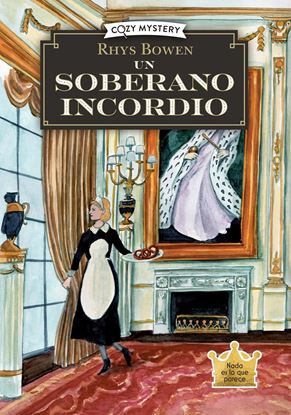
UN SOBERANO INCORDIO (COZY MISTERY)
Victoria Georgiana Charlotte Eugenie de Glen Garry y Rannoch ―Georgie, para los amigos― es la trigésimo cuarta en la línea de sucesión al trono de Inglaterra. Pero también está en la ruina y tiene que pluriemplearse como limpiadora doméstica… y espía extraoficial para la reina María, su tía abuela. En esta ocasión, le encargan acompañar a Hannelore, una princesa bávara a la que la reina quiere casar con el príncipe de Gales (el futuro Eduardo VII). Pero Hannelore ―Hanni, para los amigos― es una joven malhablada de vida disoluta y lo que prometía ser una misión sin contratiempos se salda con cuatro víctimas mortales. Georgie se adentra en una trama de sociedades secretas y espionaje internacional cuyas repercusiones pueden ser incalculables. Un trepidante viaje al Londres de los años treinta para pasarlo soberanamente bien.
1,150
1,150
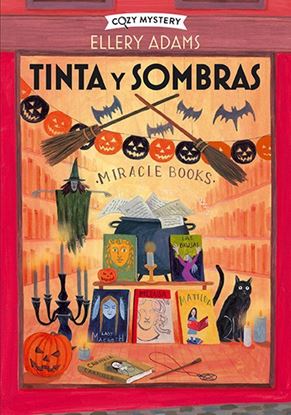
TINTA Y SOMBRAS (COZY MISTERY)
Nora Pennington regenta la librería Miracle Books y, junto con sus amigas, integra el Club Secreto de la Lectura y la Merienda. En Miracle Springs reinan la paz y la armonía, hasta que Celeste Leopold y su hija adolescente Bren llegan al pueblo dispuestas a abrir una tienda de productos derivados del cannabis. Por otro lado, Nora, conocida por sus escaparates en la librería, decide montar uno para Halloween dedicado a libros protagonizados por mujeres fuertes y poderosas: lady Macbeth, Medusa… La Sociedad de Defensoras de los Valores Sólidos dirigida por Connie Knapp, la mujer del predicador, desata una cruzada contra Celeste, pero también contra Nora y sus libros sobre mujeres empoderadas. Cuando Bren y Celeste aparecen asesinadas, Nora investiga el doble crimen. Está en juego no solo el esclarecimiento de los hechos, sino también la convivencia en Miracle Springs.
1,150

1,150
LA AMIGA ESTUPENDA (ED LI) (CANTOS)(BOL)
UNA SAGA MEMORABLE
Con La amiga estupenda, Elena Ferrante inaugura una saga deslumbrante que tiene como telón de fondo la ciudad de Nápoles a mediados del siglo pasado y como protagonistas a Lenù y Lila, dos jóvenes mujeres que están aprendiendo a gobernar su vida en un entorno donde la astucia, antes que la inteligencia, es el ingrediente de todas las salsas.
La relación tempestuosa entre Lila y Lenù nos muestra la realidad de un barrio habitado por gente humilde que acata sin rechistar la ley del más fuerte. Los que llenan estas páginas con sus risas, sus gestos y sus palabras son hombres y mujeres de carne y hueso, que nos sacuden por la fuerza y la urgencia de sus emociones.
1,150

1,150
LA CHICA DE NIEVE (EDI. LIM.) (CANTOS)
Nueva York, 1998, cabalgata de Acción de Gracias. Kiera Templeton, desaparece entre la multitud. Tras una búsqueda frenética por toda la ciudad, alguien encuentra unos mechones de pelo junto a la ropa que llevaba puesta la pequeña.En 2003, el día que Kiera habría cumplido ocho años, sus padres, Aaron y Grace Templeton, reciben en casa un extraño paquete: una cinta VHS con la grabación de un minuto de Kiera jugando en una habitación desconocida.
Javier Castillo, autor de El día que se perdió la cordura, El día que se perdió el amor, Todo lo que sucedió con Miranda Huff, El juego del alma, El cuco de cristal y La grieta del silencio, pone en jaque la cordura con La chica de nieve, un oscuro viaje a las profundidades de Miren Triggs, una estudiante de periodismo que inicia una investigación paralela y descubre que tanto su vida como la de Kiera están llenas de incógnitas.
1,150

1,150
EL REGALO (TD) (LI) (CANTOS) (BOL)
Y llegamos a un lugar que, aún a día de hoy, no sabría muy bien cómo definir. Quizá es ese sitio al que te trasladas cuando suena el timbre del recreo, o allí donde vamos al cerrar los ojos justo antes de soplar las velas, o el viento en el que flotamos al recibir uno de esos abrazos que nos sostienen el cuerpo, las dudas y los miedos...
¿Quién sabe? O quizá no era más que la parte trasera del armario en el que se había convertido mi vida: ahí donde se almacenan prendas que jamás volverás a ponerte pero que te da pena tirar.»
1,150