1,995
1,596
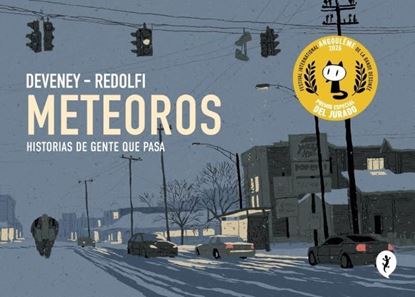
METEOROS
Los medios de comunicación han lanzado un mensaje de alerta: un meteoro se dirige hacia la Tierra y su impacto podría ser de una magnitud equivalente al que provocó la desaparición de los dinosaurios. Hay quienes creen que llega el inminente final, mientras que otros actúan como si nada. Sin embargo, no hay héroes que vayan a salvar a la humanidad. Cada uno tendrá que enfrentarse a este momento preapocalíptico con sus fortalezas y vulnerabilidades.
J.-C. Deveney y Tommy Redolfi nos trasladan a un paisaje donde la pesadez de la nieve construye el escenario del fin del mundo. En él, los personajes se cruzan y se entrelazan, intentando seguir con sus vidas en un contexto de recesión, incertidumbre y desapego.
1,995
1,596
1,995
1,596
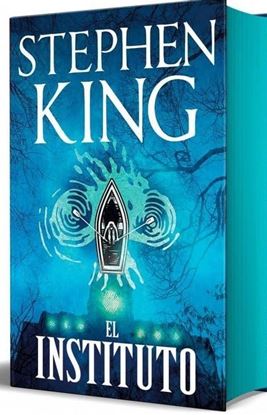
EL INSTITUTO (ED. ESPECIAL)
En mitad de la noche en un barrio tranquilo de Minneapolis raptan a Luke Ellis, de doce años, tras haber asesinado a sus padres. Una operación que dura menos de dos minutos. Luke se despierta en la siniestra institución conocida como el Instituto, en un cuarto que se asemeja al suyo pero sin ventanas. En habitaciones parecidas hay más niños: Kalisha, Nick, George, Iris y Avery Dixon, entre otros, que comparten capacidades especiales como la telequinesia o la telepatía. Todos ellos se alojan en la Mitad Delantera de la institución. Los mayores, en cambio, se encuentran en la Mitad Trasera. Como dice Kalisha: «El que entra no sale».
La señora Sigsby, la directora, y el resto del personal se dedican a aprovecharse sin compasión del talento paranormal de los chicos. Si te portas bien te premian. Si no, el castigo es brutal. Luke se da cuenta de que las víctimas van desapareciendo y son trasladadas a la Mitad Trasera, así que se obsesiona con huir y pedir ayuda. Pero nunca nadie ha escapado del Instituto...
1,995
1,596
1,995
1,596
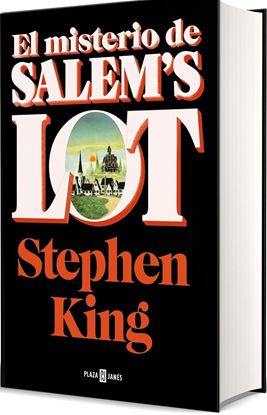
EL MISTERIO DE SALEM S LOT (50.ANI.)(TD)
El autor Ben Mears regresa a Salem's Lot para escribir un libro sobre la casa que le atormenta desde que era solo un niño. Sin embargo, al llegar se encuentra su aislado pueblo invadido por vampiros. Y, conforme las criaturas sedientas de sangre reclaman más víctimas, Mears se hace cargo de convencer a un pequeño grupo de creyentes para oponerse a los no muertos.
1,995
1,596

1,995
1,596
MOMENTOS ESTELARES DE LA (PANORAMA)(TD)
Estamos ante un libro que verdaderamente, y no como se suele decir con tantas obras, encierra un mundo; un cuerpo de catorce caras que señala y resume algunos de los instantes decisivos de la Historia universal, ordenados cronológicamente y narrados de forma magistral.
1,995
1,596
1,995
1,596
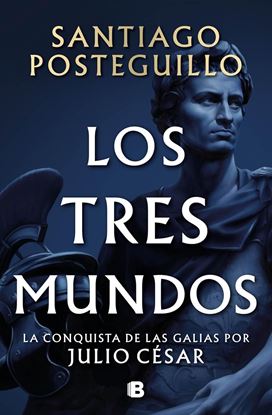
LOS TRES MUNDOS (SERIE JULIO CESAR 3) TD
En el 58 a. C., Roma, la Galia y Egipto eran tres mundos distintos que, sin saberlo, iban camino de un único destino…
Si en Roma soy yo conocíamos los orígenes de Julio César y enMaldita Roma asistíamos a su ascenso político, ahora César se enfrenta a uno de los mayores desafíos históricos de todos los tiempos: la conquista de las Galias, un territorio siempre hostil a Roma, vasto, inmenso y, a ojos de los enemigos de César, un lugar inconquistable destinado a ser su tumba.
Con una rigurosa documentación y un ritmo soberbio vivimos el sufrimiento y la épica de la guerra de las Galias, pero también presenciamos la lucha política fratricida en Roma y viajamos al exilio con el faraón Tolomeo XII, expulsado de Egipto en compañía de su hija, la joven y mítica Cleopatra.
La Galia, Roma y Egipto, una colisión inexorable de tres mundos legendarios en la que culmina la Trilogía del Ascenso, el primer ciclo de la serie sobre Julio César.
1,995
1,596
1,995
1,596
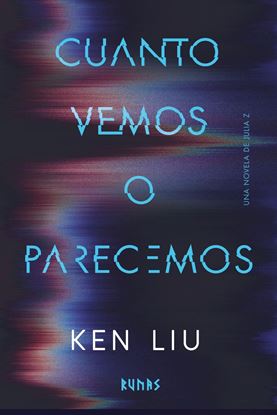
CUANTO VEMOS O PARECEMOS
La primera investigación de la huérfana-hacker Julia Z en un aterrador futuro cercano en el que la IA permea todos los aspectos de nuestras vidas. Con solo 14 años, Julia Z se convirtió en la infame «huérfana-hacker», un prodigio adolescente que se saltó la ley y llamó la atención de todo un país. Años después, está intentando dejar esa vida atrás, viviendo fuera del sistema, oculta en los suburbios de Boston. Pero su frágil anonimato se resquebraja cuando un abogado desesperado le suplica que lo ayude a encontrar a su mujer; una famosa celebridad que usa inteligencia artificial para crear sueños compartidos para miles de seguidores, y que ha sido secuestrada por una banda organizada. Contra sus instintos, Julia se lanza a un desgarrador viaje por el país, sumergiéndose en las sombras del sueño americano. Mientras investiga a la banda y se enfrenta a su propio pasado y a su deteriorada psyche, tendrá que hacer uso de todas sus habilidades, su tenacidad y su falta de respeto por la autoridad para descubrir la verdad. «Cuanto vemos o parecemos» mezcla una intriga donde todo está en juego con una profunda especulación del futuro del arte y de la sociedad bajo la sombra de la inteligencia artificial.
1,995
1,596