

1,100
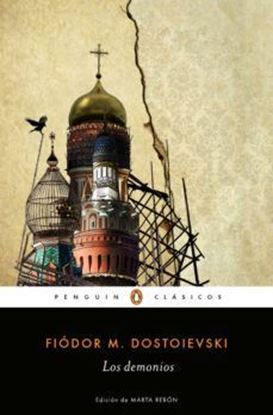
LOS DEMONIOS (PENGUIN) (BOL)
Una de las obras más complejas y profundas de Dostoievski se adentra en los entresijos de la mente del revolucionario, terrorista y nihilista.«Aquel que vencerá al sufrimiento y al terror, y él mismo será Dios. Entonces ya no existirá el otro Dios.»Los demonios se inspira en el asesinato de un estudiante en manos de sus compañeros revolucionarios en 1869, y se concibió como una profunda crítica a los movimientos que estaban emergiendo en aquel momento. El resultado es una de las novelas más controvertidas, complejas y oscuras de Dostoievski desde que escribió Los hermanos Karamázov. Pyotr Verkhovensky y Nikolái Stavrogin son los líderes de una célula revolucionaria cuyo objetivo es derrocar el zar, destruir la sociedad y hacerse con el poder, pero cuando el grupo es descubierto e interviene la justicia, se pone a prueba nuestra propia fe en la humanidad. Esta edición incluye una magnífica introducción de Marta Rebón, traductora, crítica literaria y reconocida experta en literatura rusa. Asimismo, presenta la traducción de Carlos Arce, quien fue un prestigioso periodista, novelista, ensayista, traductor y editor español.
1,100
1,100
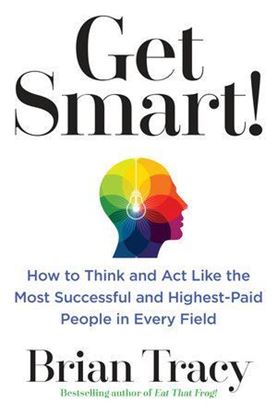
GET SMART!
In today’s constantly changing world, you have to be smart to get ahead. But the average person uses only about two percent of their mental ability. How can we learn to unleash our brain’s full potential to maximize our opportunities, like the most successful people do?
In Get Smart!, acclaimed success expert and bestselling author Brian Tracy reveals simple, proven ways to tap into our natural thinking talents and abilities and make quantum leaps toward achieving our dreams. In this indispensable guide, you’ll learn to:
· Train your brain to think in ways that create successful results
· Recognize and exploit growth opportunities in any situation
· Identify and eliminate negative patterns holding you back
· Plan, act, and achieve goals with greater precision and speed
Whether you want to increase sales, bolster creativity, or better navigate life’s unexpected changes, Get Smart! will help you tap into your powerful mental resources to obtain the results you want and reap the rewards successful people enjoy.
1,100
1,100
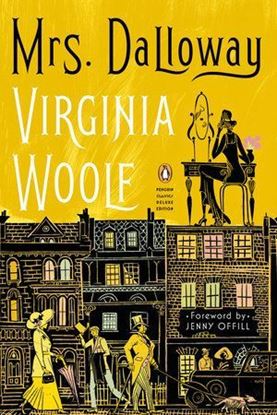
MRS. DALLOWAY (DELUXE)
"Mrs. Dalloway said she would buy the flowers herself." It's one of the most famous opening lines in literature, that of Virginia Woolf's beloved masterpiece of time, memory, and the city. In the wake of World War I and the 1918 flu pandemic, Clarissa Dalloway, elegant and vivacious, is preparing for a party and remembering those she once loved. In another part of London, Septimus Smith is suffering from shell-shock and on the brink of madness. Their days interweave and their lives converge as the party reaches its glittering climax. In a novel in which she perfects the interior monologue and recapitulates the life cycle in the hours of the day, from first light to the dark of night, Woolf achieves an uncanny simulacrum of consciousness, bringing past, present, and future together, and recording, impression by impression, minute by minute, the feel of life itself.
1,100
1,100
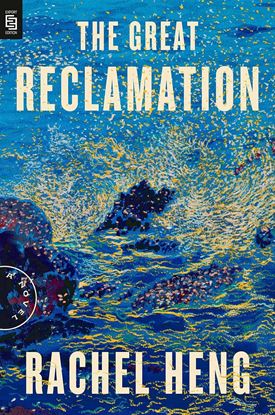
THE GREAT RECLAMATION (EXP)
Set against a changing Singapore, a sweeping novel about one boy’s unique gifts and the childhood love that will complicate the fate of his community and country
Ah Boon is born into a fishing village amid the heat and beauty of twentieth-century coastal Singapore in the waning years of British rule. He is a gentle boy who is not much interested in fishing, preferring to spend his days playing with the neighbor girl, Siok Mei. But when he discovers he has the unique ability to locate bountiful, movable islands that no one else can find, he feels a new sense of obligation and possibility—something to offer the community and impress the spirited girl he has come to love.
By the time they are teens, Ah Boon and Siok Mei are caught in the tragic sweep of history: the Japanese army invades, the resistance rises, grief intrudes, and the future of the fishing village is in jeopardy. As the nation hurtles toward rebirth, the two friends, newly empowered, must decide who they want to be, and what they are willing to give up.
1,100
1,100
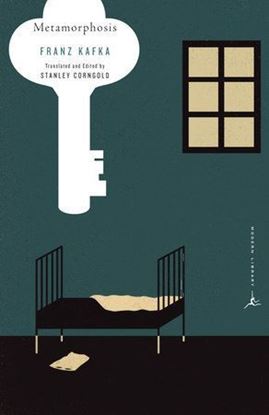
THE METAMORPHOSIS
“When Gregor Samsa woke up one morning from unsettling dreams, he found himself changed in his bed into a monstrous vermin.” With this startling, bizarre, yet surprisingly funny first sentence, Franz Kafka begins his masterpiece, The Metamorphosis. It is the story of a young man who, transformed overnight into a giant beetlelike insect, becomes an object of disgrace to his family, an outsider in his own home, a quintessentially alienated man. A harrowing—though absurdly comic—meditation on human feelings of inadequacy, guilt, and isolation, The Metamorphosis has taken its place as one of the most widely read and influential works of twentieth-century fiction.
1,100
1,100
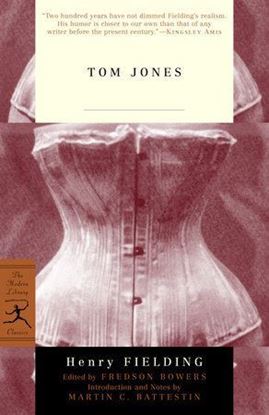
TOM JONES
Tom, a foundling, is discovered one evening by the benevolent Squire Allworthy and his sister Bridget and brought up as a son in their household; when his sexual escapades and general misbehavior lead them to banish him, he sets out in search of both his fortune and his true identity. Amorous, high-spirited, and filled with what Fielding called “the glorious lust of doing good,” but with a tendency toward dissolution, Tom Jones is one of the first characters in English fiction whose human virtues and vices are realistically depicted. This edition is set from the text of the Wesleyan Edition of the Works of Henry Fielding.
1,100