

1,100
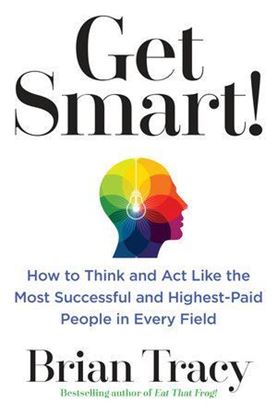
GET SMART!
In today’s constantly changing world, you have to be smart to get ahead. But the average person uses only about two percent of their mental ability. How can we learn to unleash our brain’s full potential to maximize our opportunities, like the most successful people do?
In Get Smart!, acclaimed success expert and bestselling author Brian Tracy reveals simple, proven ways to tap into our natural thinking talents and abilities and make quantum leaps toward achieving our dreams. In this indispensable guide, you’ll learn to:
· Train your brain to think in ways that create successful results
· Recognize and exploit growth opportunities in any situation
· Identify and eliminate negative patterns holding you back
· Plan, act, and achieve goals with greater precision and speed
Whether you want to increase sales, bolster creativity, or better navigate life’s unexpected changes, Get Smart! will help you tap into your powerful mental resources to obtain the results you want and reap the rewards successful people enjoy.
1,100
1,100
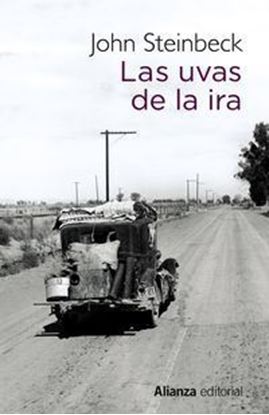
LAS UVAS DE LA IRA (ALIANZA)
Distinguida con el Premio Pulitzer en 1940, " Las uvas de la ira " describe el drama de la emigración de los componentes de la familia Joad, que, obligados por el polvo y la sequía, se ven arrastrados a abandonar sus tierras, junto con otros miles de personas de Oklahoma y Texas, rumbo a la " tierra prometida " de California. Allí, sin embargo, las expectativas de este ejército de desposeídos no se verán cumplidas. Entre las versiones cinematográficas que ha conocido esta novela destaca la memorable protagonizada por Henry Fonda y dirigida por John Ford.
1,100
1,100
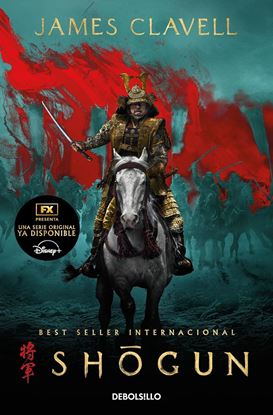
SHOGUN (BOL)
EL ÉXITO INTERNACIONAL EN EL QUE SE BASA LA NUEVA SERIE DE DISNEY+
La clásica novela épica sobre el Japón feudal que cautivó el corazón de una cultura y la imaginación del mundo, escrita por James Clavell, autor best seller de The New York Times y maestro sin parangón de la ficción histórica.
Tras perderse en el mar, el inglés John Blackthorne despierta en un lugar que pocos europeos conocen y menos aún han visto: Japón. Inmerso en la hermética sociedad nipona del siglo XVII, una tierra en la que la línea que separa la vida de la muerte es muy fina, Blackthorne debe enfrentarse no sólo a un pueblo extranjero, con costumbres e idioma desconocidos, sino también a sus propias definiciones de moralidad, verdad y libertad.
1,100
1,100
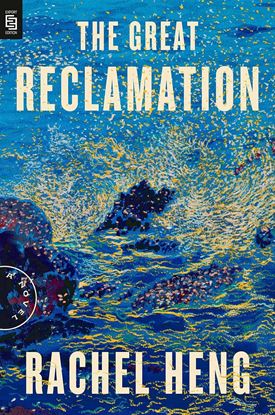
THE GREAT RECLAMATION (EXP)
Set against a changing Singapore, a sweeping novel about one boy’s unique gifts and the childhood love that will complicate the fate of his community and country
Ah Boon is born into a fishing village amid the heat and beauty of twentieth-century coastal Singapore in the waning years of British rule. He is a gentle boy who is not much interested in fishing, preferring to spend his days playing with the neighbor girl, Siok Mei. But when he discovers he has the unique ability to locate bountiful, movable islands that no one else can find, he feels a new sense of obligation and possibility—something to offer the community and impress the spirited girl he has come to love.
By the time they are teens, Ah Boon and Siok Mei are caught in the tragic sweep of history: the Japanese army invades, the resistance rises, grief intrudes, and the future of the fishing village is in jeopardy. As the nation hurtles toward rebirth, the two friends, newly empowered, must decide who they want to be, and what they are willing to give up.
1,100
1,100
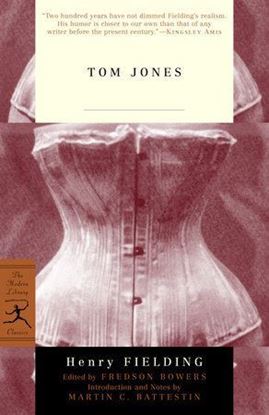
TOM JONES
Tom, a foundling, is discovered one evening by the benevolent Squire Allworthy and his sister Bridget and brought up as a son in their household; when his sexual escapades and general misbehavior lead them to banish him, he sets out in search of both his fortune and his true identity. Amorous, high-spirited, and filled with what Fielding called “the glorious lust of doing good,” but with a tendency toward dissolution, Tom Jones is one of the first characters in English fiction whose human virtues and vices are realistically depicted. This edition is set from the text of the Wesleyan Edition of the Works of Henry Fielding.
1,100

1,100
ENCRUCIJADAS (BOL)
UNA HISTORIA EXCEPCIONAL SOBRE LA VIDA DE UNA FAMILIA AMERICANA DE LOS AÑOS SETENTA «Encrucijadas es una novela excelente, la mejor de Franzen.» EL País «Cada novela de Jonathan Franzen es un acontecimiento literario.» El Periódico «Una saga familiar con el aroma de la gran literatura.» EL Cultural En vísperas de las Navidades del año 1971, en Chicago se anuncia una gran nevada. Russ Hildebrandt, pastor en una iglesia progresista de un barrio residencial, está a punto de liberarse de un matrimonio que considera desdichado, salvo que su esposa, Marion, que también tiene sus secretos, se le anticipe. Clem, el primogénito, viene de la universidad infundido de un moralismo extremo que lo ha hecho tomar una decisión que causará estragos. Su hermana Becky, hasta entonces la reina de su clase en el instituto, ha virado bruscamente hacia la contracultura. El tercer hijo, el brillante Perry, que se ha dedicado a vender droga a sus compañeros de curso, se ha propuesto volverse mejor persona. Mientras que el más pequeño, Jay, intenta abrirse camino entre la incertidumbre y el asombro.
1,100