

1,750
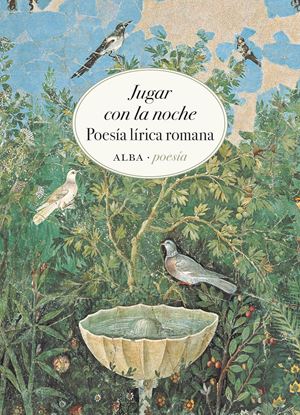
JUGAR CON LA NOCHE
Cuando el Imperio Romano dominaba la tierra, en la época de César Augusto también la poesía escrita en latín alcanzó cimas fabulosas. En un plazo brevísimo de tiempo coincidieron Catulo, Horacio, Tibulo, Propercio, Sulpicia, Ovidio y Marcial. Poetas del amor y de los banquetes, de la ciudad y de los paisajes campestres donde retirarse, del culto religioso y las brujerías y los filtros de amor. Poetas de enorme personalidad y técnica prodigiosa que dejan su huella en cada poema y que a la distancia de siglos nos hablan como si fuesen nuestros contemporáneos de los celos, la euforia, el enamoramiento, la necesidad de descanso y la furia. Por primera vez en español reunimos los mejores poemas líricos del periodo, presentado el original y una traducción en verso castellano. Poemas de extensión muy variada (de los tres versos a los cien) donde se explora la intimidad y la vida comunitaria de poetas con gran personalidad que asisten a un momento decisivo de la historia: la expansión del imperio romano. Con un hilo conductor: el enamoramiento, la seducción a plena luz del día, los cálidos ocios del amor, y los juegos de la noche.
1,750
1,750
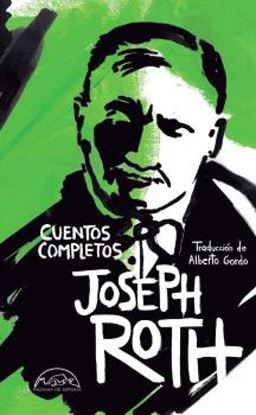
CUENTOS COMPLETOS
En apenas dos décadas, Joseph Roth (1894-1939), uno de los escritores en lengua alemana más importantes del siglo xx, diseminó su talento en periódicos y revistas, en centenares de artículos, en novelas canónicas como La marcha Radetzky y Job, y en cuentos magistrales como los que presenta esta edición única en castellano. El volumen incluye las diecinueve narraciones que han llegado hasta nosotros del gran escritor austrohúngaro, entre las que hay varias inéditas en castellano y otras tantas clásicas, en una nueva traducción. De «El alumno aventajado», su primer cuento publicado en 1916, a «La leyenda del santo bebedor», pasando por «El Leviatán», la última parábola de Roth, o «El busto del emperador», su hermoso y melancólico homenaje al imperio perdido.
1,750
1,750
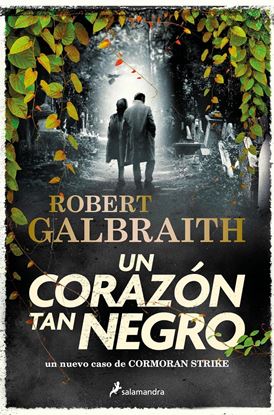
UN CORAZON TAN NEGRO (C.S. STRIKE 6)
Cuando Edie Ledwell, angustiada y con aspecto descuidado, aparece en la oficina suplicando hablar con la detective privada Robin Ellacott, ésta no sabe muy bien cómo afrontar la situación. Edie, cocreadora de una popular serie de dibujos animados llamada Un corazón tan negro, está siendo acosada por internet por un misterioso personaje llamado Anomia, del que está desesperada por descubrir su identidad.
Robin decide que no puede ayudarla y no vuelve a pensar en ello hasta que, unos días más tarde, Edie aparece apuñalada y muerta en el cementerio de Highgate, el escenario de la serie Un corazón tan negro.
Robin y su socio Cormoran Strike se ven entonces envueltos en la búsqueda de la verdadera identidad de Anomia. Pero, con una compleja red de nombres falsos en línea, intereses comerciales y conflictos familiares que resolver, Strike y Robin trabajan en un caso que pone a prueba sus poderes de deducción y los expone a una amenaza insospechada.
1,750
1,750
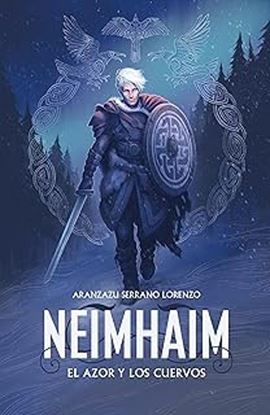
NEIMHAIM 2: EL AZOR Y LOS CUERVOS
Jorn está destinado a ser rey de Neimhaim, aunque su única ambición es vivir en las montañas salvajes donde ha crecido. Es retraído y solitario; todo lo contrario que su prometida, Sygnet, una hermosa joven que adora la corte y vive sin ataduras con la que no tiene nada en común. Antes de que la boda se celebre, Jörn tiene que afrontar una tradición: demostrar que es el mejor guerrero entre los suyos venciendo en duelo a su propia madre. Pero nada sucede como estaba previsto.
Lejos de allí, dos hermanos gemelos, Kjartan y Søren, descubren un secreto que podría cambiarlo todo. Y, mientras la Alianza pende de un hilo, Ênhedu-Inanna, una reina inmortal llegada del lejano sur, está dispuesta a aprovecharse de esa debilidad si con ello evita que su pueblo ancestral agonice.
1,750
1,750
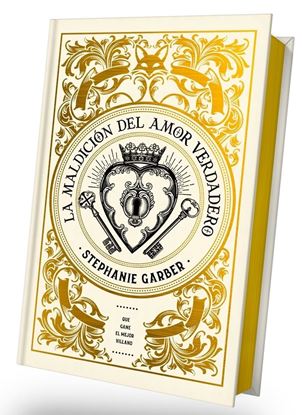
MALDICION DEL AMOR VERDADERO (3) ED.LI.
Dos villanos, una chica y una batalla mortal para conseguir un final feliz.
Evangeline Fox viajó al Glorioso Norte buscando su «felices para siempre» y parece que lo ha conseguido: está casada con un atractivo príncipe y vive en un castillo legendario. Pero no tiene ni idea del devastador precio que ha pagado por ese cuento de hadas. Desconoce lo que ha perdido y su marido va a asegurarse de que no lo descubra nunca. pero antes debe matar a Jacks, el Príncipe de Corazones.
En esta obra, la cautivadora y esperada conclusión de la trilogía Érase una vez un corazón roto, se derramará sangre, se robarán algunos corazones y el amor verdadero será puesto a prueba.
1,750
1,750
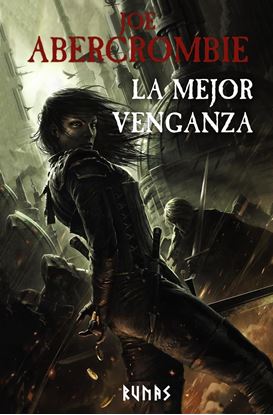
LA MEJOR VENGANZA
La guerra puede ser un infierno, pero para Monza Murcatto, "la Serpiente de Talins", guerrera a sueldo del duque Orso, también es una forma excelente de ganar dinero. Sus victorias la han hecho muy popular; quizá demasiado para el gusto de Orso. De modo que, traicionada y dada por muerta, la recompensa que obtiene Monza es un cuerpo desfigurado y una sed de venganza que no se detendrá ante nada... Elogiada por George R. R. Martin, el padre de «Juego de tronos», La mejor venganza es una novela que tiene todas las características que han hecho un éxito de la trilogía «La Primera Ley».
1,750
1,750
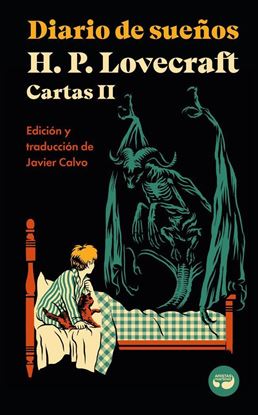
DIARIO DE SUEÑOS. CARTAS 2
En Diario de sueños, segundo volumen de las Cartas de H. P. Lovecraft, con edición de Javier Calvo, se recogen todos los sueños transcritos en la correspondencia que ha sobrevivido del autor. La publicación de este material, hasta ahora inédito en español, se corresponde con la intención de ilustrar el origen onírico de muchos de sus relatos más conocidos, en unos textos en los que pueden distinguirse perfectamente su visión literaria y su mundo personal, destilado en imágenes y escenas extrañas. Podríamos decir que el alma de Lovecraft se trasluce en todos ellos. Completa el volumen la sección final «Las fabulosas aventuras de la Fraternidad Kappa Alpha Tau», dedicada a las misivas sobre felinos, una de sus pasiones más íntimas que muestra su lado más entrañable.
1,750
1,750
MELODIAS HEBREAS
Sol de los insomnes, melancólica estrella cuyo rayo de lágrimas brilla trémulamente en la distancia mostrando la oscuridad que no puedes disipar, eres de igual manera un recuerdo en la alegría. Así el pasado brilla, luz de otros días que ilumina, pero no calienta, con sus débiles rayos. La tristeza vela para contemplar un rayo nocturno, distinto pero distante, claro, pero ah, tan frío. «Sol de los insomnes» Melodías hebreas constituye el único de los poemarios líricos del autor dotado de una unidad conceptual, al modo en que hoy los entendemos (y no, como entonces, como simple recopilación), y contiene varios de los poemas más celebrados, famosos y bellos del poeta: «Camina en la belleza», «La destrucción de Senaquerib», «Te vi llorar», «Luminoso sea el lugar de tu alma», «Arrebatada en la flor de la belleza», «Sol de los insomnes» o «No pronuncio, no escribo, no aliento tu nombre». Son piezas que forman parte del canon de la literatura lírica anglosajona y, por la gran influencia de esta, de la universal.
1,750
1,750
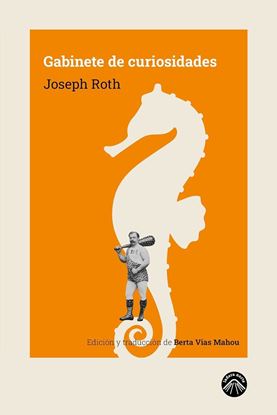
GABINETE DE CURIOSIDADES
El título hace referencia a los Panoptika, que eran gabinetes de curiosidades, cuartos de maravillas o simplemente muebles en los que algunos nobles y burgueses de otro tiempo coleccionaban objetos exóticos de todos los rincones de la tierra. También se llamaba así a otros raros repertorios, los antiguos Museos de Figuras de Cera. Este libro reúne casi medio centenar de semblanzas del escritor austriaco, producto de su experiencia como corresponsal por buena parte de Europa, donde se mezcló con todo el mundo, viajando en cualquier medio de transporte, alojándose en los hoteles más variopintos y trabajando siempre en la mesa de algún café rodeado de gente que le hablaba sin parar en cualquier idioma.
1,750