

850
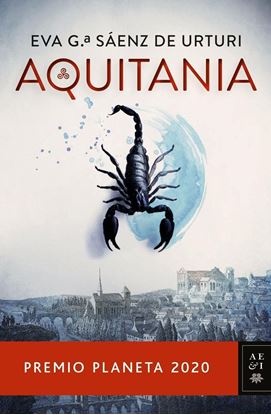
AQUITANIA (BOL)
Un cautivador thriller histórico que atraviesa un siglo repleto de venganzas, incestos y batallas.
Novela galardonada con el Premio Planeta 2020.
«Actúa como un león. Arremete como un águila. Ejecuta como un escorpión.»
Año 1137. El duque de Aquitania —la región más codiciada de Francia— aparece muerto en Compostela. El cuerpo queda de color azul y con la marca del «águila de sangre», una ancestral tortura normanda. Su hija Eleanor decide vengarse y para ello se casa con el hijo del que cree su asesino: Luy VI el Gordo, rey de Francia.
Pero el propio rey muere durante la boda en idénticas circunstancias. Eleanor y Luy VII intentarán averiguar, junto con los gatos aquitanos —los épicos espías de los duques—, quién quiere a los inexpertos reyes en el trono.
Décadas antes de la muerte del duque de Aquitania, un niño sin nombre es abandonado en un bosque por sus cinco madres. Acaso un monstruo, o tal vez un santo, el pequeño superviviente acabará convirtiéndose en uno de los hombres más excepcionales del medievo europeo.
850
850
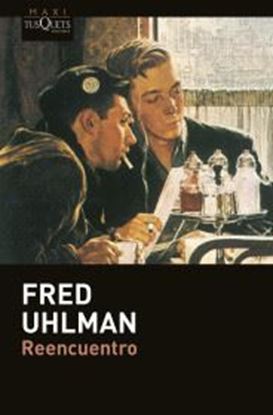
REENCUENTRO (BOL)
Entre dos jóvenes de dieciséis años –Hans, nacido en una familia judía, y Konradin, rico aristócrata– surge una intensa amistad cuando coinciden en una selecta escuela de enseñanza media. Nos hallamos en la Alemania de 1932. Sin embargo, al cabo de apenas un año, todo habrá acabado: con el ascenso de Hitler al poder, Konradin entra a formar parte de las fuerzas nazis mientras Hans huye al exilio. Tan sólo mucho tiempo después, Hans, instalado en Estados Unidos, «reencontrará», en cierto modo, a su viejo amigo.
850
850
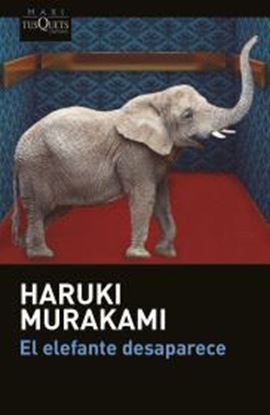
EL ELEFANTE DESAPARECE (BOL)
Una maravillosa muestra del talento narrativo de Murakami que nos abre las puertas a otras realidades y nos lleva de la mano a mundos fantásticos.
Un hombre que se obsesiona con la insólita y misteriosa desaparición del elefante de un zoo, un abogado en paro que recibe el encargo de su mujer de encontrar a su gato, una pareja de recién casados que deciden atracar un McDonald’s en plena noche, una curiosa digresión sobre los canguros, un enano diabólico que baila, un joven empeñado en burlarse de su futuro cuñado, un pirómano confeso... Los protagonistas de estos relatos esperan algo. Un accidente, un hecho azaroso. Todo lo contrario ocurre en la escritura de Murakami, donde nada queda al azar. Alternando páginas inquietantes e hilarantes, El elefante desaparece es una prueba más de la capacidad de Murakami para cruzar la frontera entre lo cotidiano más realista y lo fantástico, capaz de transformar así la trivialidad de nuestras vidas.
850
850
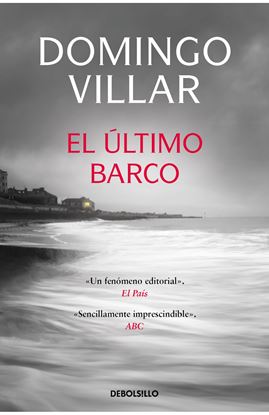
EL ULTIMO BARCO (BOL)
Mónica, hija del prestigioso doctor Andrade, vive en una casa pintada de azul, junto a una playa de olas mansas, donde las mariscadoras rastrillan la arena. En el muelle espera el barco que cruza la ría de Vigo cada media hora.
Una mañana de otoño, el inspector Caldas recibe la alarmada visita de su padre: Mónica no se presentó el fin de semana a una comida familiar ni acudió el lunes a impartir su clase de cerámica en la escuela. Nadie sabe dónde puede encontrarse.
Leo Caldas pronto comprobará que, en la vida como en el mar, la más apacible de las superficies puede ocultar un fondo oscuro de devastadoras corrientes.
850
850
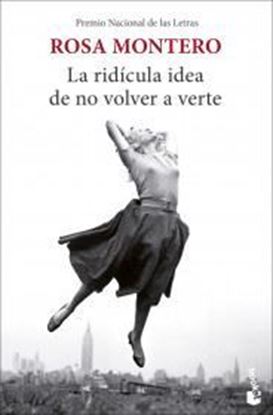
LA RIDICULA IDEA DE NO VOLVER (BOL)
Un texto auténtico, emocionante y cómplice sobre la vida y sobre el duelo que te atrapará desde sus primeras páginas. Sentirás que ha sido escrito sólo para ti, como siempre sucede con la buena literatura.
Cuando Rosa Montero leyó el maravilloso diario que Marie Curie comenzó tras la muerte de su esposo, incluido al final de este libro, sintió que la historia de esa mujer fascinante le llenaba la cabeza de ideas y emociones. La ridícula idea de no volver a verte nació de ese incendio de palabras, de ese vertiginoso torbellino: «Éste es un libro sobre la vida… apasionado y alegre, sentimental y burlón.»
Al hilo de la extraordinaria trayectoria de Curie, reflejada aquí en sus aspectos más desconocidos, Rosa Montero construye una narración a medio camino entre el recuerdo personal y la memoria de todos, el análisis de nuestra época y la evocación íntima; habla de la superación del dolor, de las relaciones entre hombres y mujeres, del esplendor del sexo, de la ciencia y de la ignorancia, de la fuerza salvadora de la literatura y de la sabiduría de quienes aprenden a vivir con plenitud y ligereza.
850
850
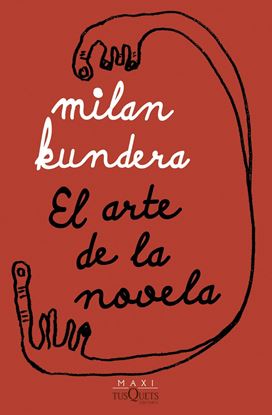
EL ARTE DE LA NOVELA (BOL)
«No me siento ligado a nada, salvo a la desprestigiada herencia de Cervantes», afirma orgulloso Kundera. Y a reivindicar esta nobilísima herencia dedica el autor checo estos apasionantes ensayos donde expone su concepción de la novela europea y sus consideraciones sobre su origen —un arte nacido de la risa de Dios— y su problemático futuro. ¿Estará tocando a su fin como género moderno? En esta época de «paradojas terminales», Kundera sostiene que la novela ya no puede vivir en paz con el espíritu de nuestro tiempo: «si aún quiere “progresar” como novela, no puede sino hacerlo en contra del progreso del mundo». Y, a propósito de autores como Rabelais, Cervantes, Flaubert o Musil, discurre sobre el arte de la composición novelesca, la polifonía o la creación de personajes.
850
850
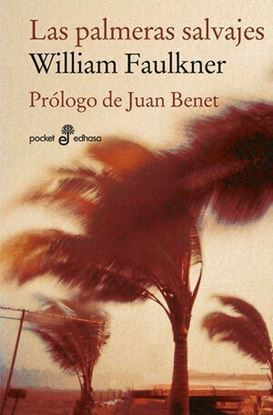
LAS PALMERAS SALVAJES (BOL)
Las palmeras salvajes reúne dos historias que van alternándose, "Palmeras salvajes" y "El Viejo", para conformar una intensa novela sobre el enfrentamiento del ser humano con las fuerzas de la naturaleza y, sobre todo, con sus propias pasiones, sentimientos y ambiciones. El particular modo en que las dos historias van interrumpiéndose la una a la otra, en un alarde de imaginación y talento narrativo, dotan a la novela de una fuerza irresistible y van trazando la trayectoria de unos personajes a merced de terribles acontecimientos: uno que lo sacrifica todo por amor, y otro, un preso, que asiste al desbordamiento del río Misisipí y descubre aspectos inesperados de sí mismo.
850
850
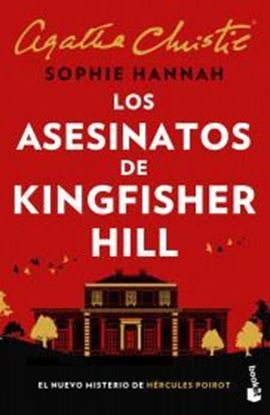
LOS ASESINATOS DE KINGFISHER (BOL)
Un nuevo misterio de Hércules Poirot, el detective más célebre de la literatura.
Hércules Poirot viaja en un lujoso autocar a la exclusiva mansión Kingfisher Hill: Richard Devonport le ha pedido que demuestre que su prometida, Helen, es inocente del asesinato de su hermano, Frank. Sólo hay una condición: Poirot deberá ocultarles a todos las verdaderas razones de su visita.
En el trayecto, una joven sufre un ataque de nervios: afirma que si permanece en su asiento será asesinada. Se organiza un cambio de asiento y, a pesar de que el resto del viaje transcurre sin incidentes, Poirot sospecha que algo no va bien. Sus presentimientos se verán confirmados poco después de su llegada a la mansión de los Devonport, al descubrirse un cuerpo con una nota que se refiere al «asiento en el que no debería haberse sentado». ¿Qué conexión puede existir entre este asesinato y el peculiar incidente del autocar? ¿Pueden ser pistas para resolver el misterio de quién mató a Frank Devonport?
850
850
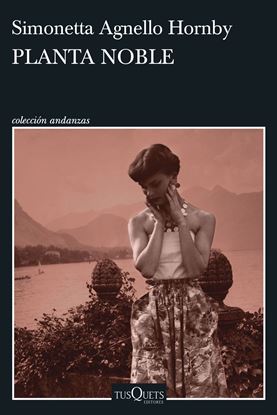
PLANTA NOBLE
Corre el mes de junio de 1942 y, en Palermo, el barón Enrico Sorci yace en su lecho de muerte. Mientras su fiel criado le lee los titulares de prensa, la mayoría en torno a la guerra, Sorci, en un lúcido delirio, recuerda la historia de la familia y las figuras que han llenado su propia vida: su abnegada esposa y el dolor que él le ha infligido, sus amantes, sus hijos (algunos ilegítimos), su nuera predilecta, el incierto futuro. La planta noble del palacio Sorci deviene así el centro del mundo, un mundo que desaparece entre los bombardeos y el fin del fascismo, y donde la esperanza esconde también una criminalidad más agresiva. Cuando después tomen la palabra algunos hijos de Enrico (entre ellos un brillante abogado, que media entre los estadounidenses y la mafia, o el futuro barón), su voces compondrán un polícromo fresco histórico de Sicilia en los años centrales del siglo xx: la llegada del mundo moderno, la segunda guerra mundial, la reconstrucción en la Posguerra y el plan Marshall, el fortalecimiento de la mafia...
850