900
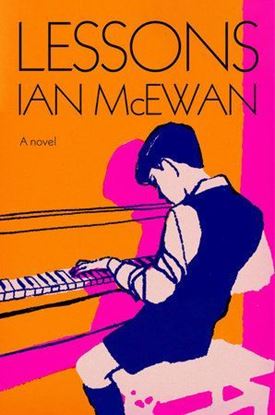
LESSONS
When the world is still counting the cost of the Second World War and the Iron Curtain has closed, eleven-year-old Roland Baines's life is turned upside down. Two thousand miles from his mother's protective love, stranded at an unusual boarding school, his vulnerability attracts piano teacher Miss Miriam Cornell, leaving scars as well as a memory of love that will never fade.
Now, when his wife vanishes, leaving him alone with his tiny son, Roland is forced to confront the reality of his restless existence. As the radiation from Chernobyl spreads across Europe, he begins a search for answers that looks deep into his family history and will last for the rest of his life.
Haunted by lost opportunities, Roland seeks solace through every possible means—music, literature, friends, sex, politics, and, finally, love cut tragically short, then love ultimately redeemed. His journey raises important questions for us all. Can we take full charge of the course of our lives without causing damage to others? How do global events beyond our control shape our lives and our memories? And what can we really learn from the traumas of the past?
Epic, mesmerizing, and deeply humane, Lessons is a chronicle for our times—a powerful meditation on history and humanity through the prism of one man's lifetime.
900
900
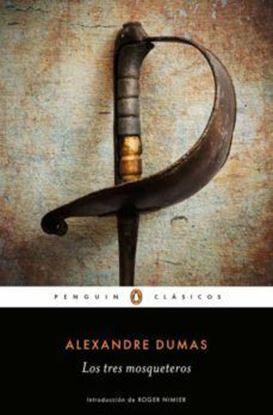
LOS TRES MOSQUETEROS (PENGUIN) (BOL)
Francia, abril de 1625. En la polvorienta villa de Meung se cruzan los destinos de un joven gascón, una hermosa mujer y un misterioso hidalgo. Comienza así una de las mayores aventuras jamás escritas. Una carta de recomendación extraviada es la responsable de que el impulsivo D´Artagnan se adentre, sin saberlo, en un mundo de intrigas palaciegas, luchas intestinas,traiciones, celos, capas y espadas, en el que perseguirá su sueño de gloria.
900

900
RIMAS Y LEYENDAS
Las Rimas de Bécquer son hoy la más conocida de las colecciones poéticas del siglo XIX. Exponente de una lírica incómoda en el corsé romántico y casi modernista, estos poemas breves deben su liviandad a un esforzado trabajo de depuración estilística. A su vez, las Leyendas son narraciones fantásticas de tono intimista y lúgubre, basadas en su mayoría en relatos populares, y suponen una de las producciones más representativas del posromanticismo de nuestro país.
El catedrático emérito en literatura española de la Universidad Nacional de Educación a Distancia Enrique Rull firma la introducción, las actividades finales y las notas que acompañan al lector a lo largo del volumen. Desde la semblanza de Bécquer hasta el análisis de su poética y el estudio de las fuentes de las que bebe su narrativa, la presente edición, que incluye asimismo las Cartas literarias a una mujer, resulta imprescindible para el estudio pormenorizado de esta obra cumbre de las letras hispánicas.
900
900
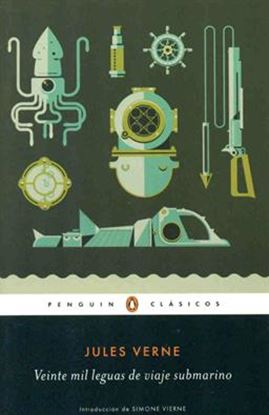
VEINTE MIL LEGUAS DE VIAJE(PENGUIN)(BOL)
La desaparicin de numerosos barcos ha puesto en jaque la nav egacin en aguas internacionales. Ante la amenaza de un ignot o monstruo abisal, se fleta una expedicin para darle caza. P ero nadie contaba con el Nautilus, un submarino de alta tecn ologa comandado por el insondable capitn Nemo. Tres de los e xpedicionarios descubrirn a bordo de la fabulosa nave los pr odigios que pueblan las profundidades, vedados a la mirada h umana.
El presente volumen se abre con la introduccin de una de las voces ms destacadas en el estudio de la obra de Jules Verne , la que fuera catedrtica emrita de la Universidad Stendhal de Grenoble Simone Vierne. La sigue la fantstica novela, una de las ms aclamadas de su autor, cuya traduccin firma el en sayista y bigrafo Antoni Pascual.
900
900
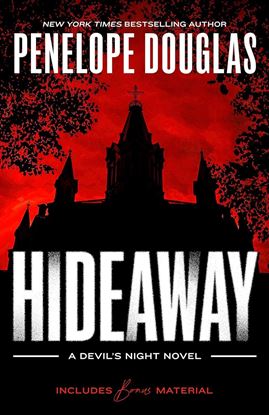
HIDEAWAY. DEVIL'S NIGHT 2
Buried in the shadows of the city, there’s an abandoned hotel called The Pope, surrounded by a mystery about the hidden twelfth floor and the guest who never checked out. Banks knows the local legend, but Kai Mori believes the myth around the hotel. He and his friends think they know her, think they can scare her, but Banks knows something they don’t. Even though she struggles to hide everything she feels when Kai looks at her, the person he seeks is much closer than he’ll ever realize.
900

900
BOOK BOYFRIEND
Jennifer Worth lives to escape into the world of her favorite romantasy series Elytheum Courts, where the romance is sweeping and the men are brave, chivalrous . . . and winged. Newly single and craving connection, she travels to an immersive fan experience celebrating all things Elytheum, only to see the last face she expected—Scott Daniels, her work nemesis, whose disinterest in Jennifer’s favorite series and standoffishness have made their publishing jobs feel like a feuding fae court.
Except the Scott she encounters at the Elytheum Experience, in his secondhand cosplay outfit, is . . . different. Swaggering, flirtatious, confident. Unlucky in romance himself and inspired by Jennifer’s love for the swoonworthy men of Elytheum, Scott is determined to remake himself into the perfect book boyfriend.
Jennifer has no interest in helping the man who vexes her every workday and dismisses her fictional fantasies, but as the immersive convention activities force them together, they’re surprised to discover magic like none Jennifer has ever read about. But is enemies-to-lovers romance only for books, or can Jennifer and Scott bring the trope to life?
900