


850
LOS DIAS HETERONOMOS
Con su séptimo libro de poemas, Juan Bonilla entrega una obra de plena madurez donde se alternan los tonos elegiacos y una suerte de vitalismo desengañado que no renuncia a celebrar el esplendor del mundo, sin dejar de ver ni de señalar sus miserias. Desde el inicio,Los días heterónomos parte de la limitación provocada por la enfermedad para constatar su paradójica ampliación de campo, el acceso a una“luz distinta”que es descrita con la rica e imprevisible imaginería del autor, siempre alejada de los modos consabidos. Estructurados en cuatro secciones de nueve composiciones cada una, a las que se suman un prólogo y un epílogo en verso, los poemas recogidos en el libro recorren esos días en los que, en efecto, como sugiere el título,“no somos ley de nuestro propio estar”, pero también se acogen a la memoria, con gratitud no exenta de aristas, o proyectan una mirada crítica sobre la realidad cotidiana, de algún modo redimida por el don—“esa es su magia: / la poesía es fiebre y se contagia”—que la convierte en acuñación memorable:“Por encima del arte / que a Adonis hace fiero y bello a Marte, / cántico de la vida, / no le pidas que te cierre una herida, / más bien que te las abra / con eficaz palabra / helada en luz tan pura / que sea un simulacro de sutura”. En el proceso de edición, el autor ha añadido al original premiado por el Hermanos Machado, cinco poemas ya conocidos que encuentran su lugar natural en un libro que tiene mucho de balance o recuento, hecho de fragmentos o cristales rotos con los que fabrica un espejo donde se refleja un hombre dañado pero sereno y como de costumbre incisivo, batallador, dispuesto a seguir entonando“este himno de estar vivos”.
850
850
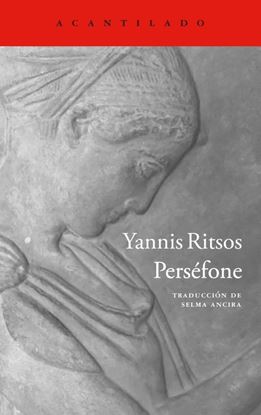
PERSEFONE
Yannis Ritsos, una de las mejores voces de la lírica europea, creó una serie de monólogos de excepcional sutileza, con los que consigue trasladar a nuestros días el pathos de la tragedia griega. En esta pieza da voz a Perséfone, la diosa de la antigua mitología griega a la que Hades, el dios del inframundo, rapto´ cuando era una doncella inocente. Gracias al poeta conocemos su cautiverio, al que ha aprendido a acostumbrarse, la compasión que le inspira incluso el leal perro al que su amo ha encargado vigilarla, y nos asomamos asi´ a la invisible suerte de muchas cautivas de ayer. Con esta obra proseguimos la publicación de los soliloquios dramáticos del autor en versión de Selma Ancira.
850
850
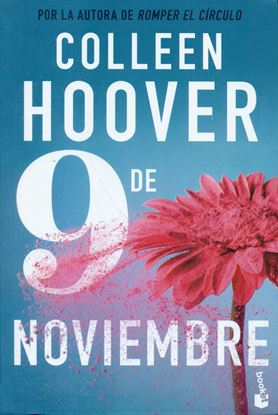
9 DE NOVIEMBRE (BOL)
¿Y SI VOLVEMOS A QUEDAR DENTRO DE UN AÑO, EL MISMO DÍA?
¿Y EL AÑO SIGUIENTE? EL MISMO DÍA, A LA MISMA HORA, EN EL MISMO SITIO.»
Ben y Fallon se conocen por casualidad un 9 de noviembre cuando sus vidas están cambiando. Ella está a punto de instalarse en Nueva York para perseguir su sueño de convertirse en actriz de teatro, y Ben quiere ser escritor. Pasan el día juntos, pero la intensidad de lo que comparten los lleva a fijar una cita anual: cada 9 de noviembre, durante los próximos cinco años, se volverán a ver. Una cita para revivirlo todo. Una cita para entenderlo todo. Y desafiar lo imposible...
«—No quiero ser el primero, Fallon. Quiero ser el último.
—Y yo quiero que seas el primero y el último.»
850

850
NO TE VERE MORIR (BOL)
«El mejor Muñoz Molina […]. Un libro magnífico que arrastra al lector a un torbellino de emociones.» Ricardo Baixeras, Abril, El Periódico
«Vuelve el narrador poderoso que echa luz sobre los entresijos morales de nuestra sociedad.» Santos Sanz Villanueva, El Cultural
«Una novela que emocionará a los lectores […]. Contiene algunas de las mejores páginas que haya escrito nunca Antonio Muñoz Molina.» J. M. Pozuelo Yvancos, ABC Cultural
En su juventud, Gabriel Aristu y Adriana Zuber protagonizaron una apasionada historia de amor que parecía destinada a durar para siempre. El futuro, sin embargo, tenía otros planes para ellos. Separados durante cincuenta años por un océano de incomunicación, ella atrapada en la España de la dictadura, él viviendo el éxito profesional en Estados Unidos, vuelven a encontrarse en el ocaso de sus días. Miradas, caricias, deseos acallados y viejos reproches dejarán paso entonces a la constatación de que la nostalgia de aquel primer amor lo es también de la persona que una vez fuimos.
850
850
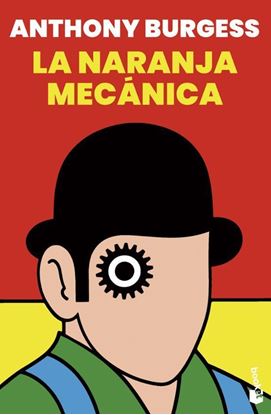
LA NARANJA MECANICA (BOL)
En esta mirada satírica y perturbadora sobre los jóvenes en plena rebelión, Alex y sus amigos de quince años emprenden una orgía diabólica de robos, violaciones, torturas y asesinatos. Hasta que Alex es apresado por sus actos delictivos y el Estado intenta reformarlo. Pero ¿a qué precio?
¿Se trata de una profecía social? ¿De humor negro? ¿De un estudio sobre los espíritus libres? La naranja mecánica es una suma de todo ello, y también incluye un brillante experimento con el lenguaje, por el que Burgess crea una jerga adolescente, el «nadsat».
«Un libro terrible y maravilloso.» Roald Dahl
«Una de las novelas más rompedoras e influyentes de todos los tiempos, y una de las mejores.» Irvine Welsh
850

850
THE HEARTBREAKERS (1)
When Stella Samuel meets a gorgeous blue-eyed guy at Starbucks and shows him her camera, it's nothing more than a moment―one that takes her breath away, sure, but it's not like she'll ever see him again. This year she's postponing college to support her sister, Cara, as she fights cancer, and she doesn't have time for anything else.
While Stella would rather not spend three hours in line to get autographs from some band called The Heartbreakers, her sister's a huge fan. It'll be totally worth it to surprise Cara on her birthday.
850