

1,750
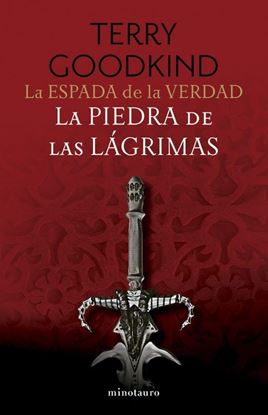
LA PIEDRA DE LAGRIMAS ESPADA VERDAD 2/17
Tras derrotar a Rahl el Oscuro, Richard se dispone a disfrutar de la máxima recompensa a la que podría aspirar: el amor de Kahlan. Pero, inadvertidamente, el joven rasgó el velo que separa el mundo de los vivos del de los muertos y ahora debe enfrentarse al mal supremo, al temible Custodio del inframundo, que intenta escapar. Para vencerlo, Richard debe aprender a dominar sus incipientes talentos arcanos, pues de otro modo morirá. A no ser que Richard aprenda a controlar sus poderes, nadie, ni siquiera su amada Kahlan, la poderosa pero benevolente Madre Confesora, podrá salvar al mundo. El único modo de lograrlo es ponerse en manos de las misteriosas Hermanas de la Luz, que afirman ser su única esperanza.
1,750
1,750
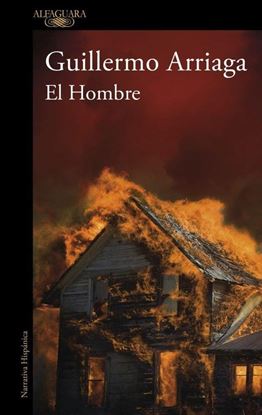
EL HOMBRE
Henry Lloyd, un hombre con un enigmático pasado, logra forjar a sangre y fuego una inmensa fortuna, a mediados del siglo XIX. Junto con su ejército de esclavos libertos y sus dos hijos mulatos, Lloyd invade tierras, saquea, asesina. Osado, sólo le teme a Jack Barley, su némesis, el único capaz de derrumbar su imperio.
Esta novela polifónica, narrada con maestría por seis voces en distintas épocas, desvela capa por capa la vida de Lloyd. El Hombre es una historia de feroces lealtades, de amores transgresores, de seres salvajes en épocas salvajes, y da cuenta de cómo los claroscuros de Lloyd trastocaron el destino de generaciones hasta llegar a nuestros tiempos.
Guillermo Arriaga va hasta la médula de la brutalidad humana. Con lucidez y rigor literario, explora los orígenes del capitalismo, la conformación de los Estados Unidos, la lacerante pérdida de más de la mitad del territorio mexicano, las batallas entre apaches, mexicanos y texanos, y la herida profunda de la esclavitud. Todo alrededor de la colosal figura de Henry Lloyd.
1,750
1,750
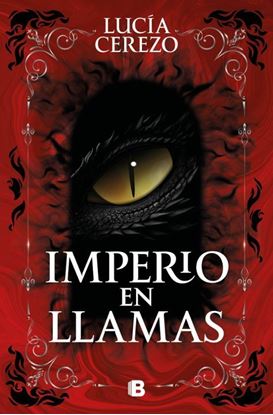
IMPERIO EN LLAMAS (2)
Eda ya no es la misma persona y Pramvera ya no es un misterio para ella. Ni siquiera lo es el temido emperador Dalton Basilius. Las batallas, la sangre y la fuerza del fénix la han cambiado. Sin embargo, entre las sombras, más allá de la oscuridad e incluso de la muerte, se esconden monstruos que aún no conoce y a quienes, por mucho que lo intente, no puede desafiar...
Tras Imperio de fuego azul, con esta segunda entrega de la saga Fénix y Dragón vuelven la fantasía más poderosa y la magia más envolvente acompañadas de una pasión tan feroz que podría cambiar el rumbo del imperio...
¿Te atreves a arriesgar tu corazón?
1,750
1,750
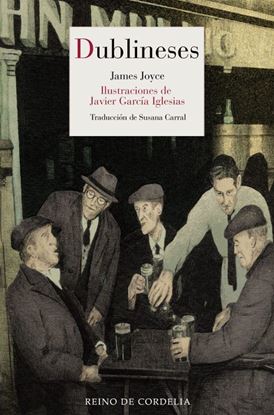
DUBLINESES (CORDELIA) (TD)
Escritos ocho años antes que Ulises, los quince relatos que componen "Dublineses" son el primer gran acercamiento de James Joyce a su ciudad, Dublín, a la que describe, con realismo irónico y burlón, detenida en el pasado y sojuzgada por el Imperio británico y la Iglesia católica. Esta aproximación a los dublineses de clase ímedia y baja, que contiene muchos detalles autobiográficos, conforma una curiosa unidad de la que surgen personajes que aparecerán en obras posteriores del mismo autor. Ochenta años despues de la muerte de Joyce, otro realista, Javier García Iglesias, interpreta en imágenes, con asombroso detallismo, al gran autor irlandes, en una nueva traducción de Susana Carral que se ajusta con mayor precisión al ritmo y el estilo del texto original ingles.
1,750
1,750
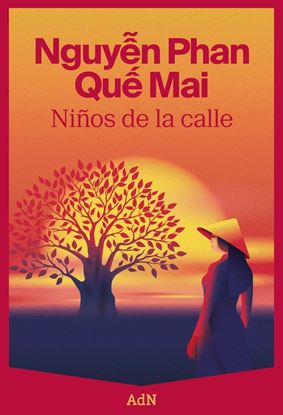
NIÑOS DE LA CALLE
En 1969, las hermanas Trang y Quynh, desesperadas por ayudar a sus padres a pagar sus deudas, abandonan su aldea y se convierten en chicas de bar en Saig?n, donde beben y coquetean con soldados estadounidenses a cambio de dinero. A medida que la guerra se acerca a la ciudad, la otrora inocente Trang se ve envuelta en un irresistible romance con un piloto de helic?ptero estadounidense joven y encantador. D?cadas m?s tarde, Dan, un soldado veterano estadounidense, regresa a Vietnam con Linda, su mujer, con la esperanza de encontrar una cura para su trastorno de estr?s postraum?tico y, sin que Linda lo sepa, enfrentarse a los secretos de su pasado.
1,750
1,750
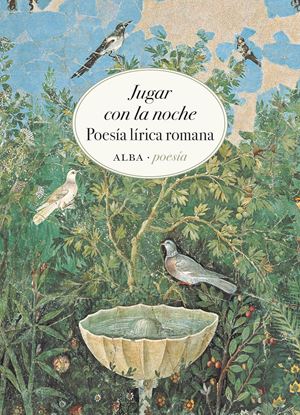
JUGAR CON LA NOCHE
Cuando el Imperio Romano dominaba la tierra, en la época de César Augusto también la poesía escrita en latín alcanzó cimas fabulosas. En un plazo brevísimo de tiempo coincidieron Catulo, Horacio, Tibulo, Propercio, Sulpicia, Ovidio y Marcial. Poetas del amor y de los banquetes, de la ciudad y de los paisajes campestres donde retirarse, del culto religioso y las brujerías y los filtros de amor. Poetas de enorme personalidad y técnica prodigiosa que dejan su huella en cada poema y que a la distancia de siglos nos hablan como si fuesen nuestros contemporáneos de los celos, la euforia, el enamoramiento, la necesidad de descanso y la furia. Por primera vez en español reunimos los mejores poemas líricos del periodo, presentado el original y una traducción en verso castellano. Poemas de extensión muy variada (de los tres versos a los cien) donde se explora la intimidad y la vida comunitaria de poetas con gran personalidad que asisten a un momento decisivo de la historia: la expansión del imperio romano. Con un hilo conductor: el enamoramiento, la seducción a plena luz del día, los cálidos ocios del amor, y los juegos de la noche.
1,750