

500
400
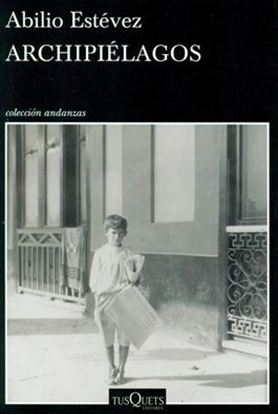
ARCHIPIELAGOS (OF2)
Agosto de 1933. En Cuba tienen lugar los sucesos que más tarde se conocieron como «La revolución del treinta». La isla entera contra un presidente autoritario: el general Gerardo Machado. Cuando la situación se hizo insostenible, el presidente huyó en avión hacia las Bahamas. La víspera, un muchacho llamado José Isabel (quien, ya viejo, escribe la historia de los tres días anteriores a la huida de Machado) es testigo del asesinato de un joven en un pantano cercano a su casa. José Isabel vive en las afueras de La Habana y con él conviven en un caserío una serie de personajes que se preparan para las consecuencias del fin del Machadato y que, al mismo tiempo, recrean en la memoria sus vidas desde la Guerra del 95, contra España, hasta el presente de 1933.
500
400
500
400
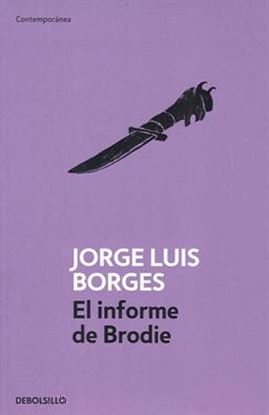
EL INFORME DE BRODIE (BOL)
Gran parte de estos cuentos giran en torno al cumplimiento de un destino que se repite y que suele prefigurar un enfrentamiento. A veces los protagonistas son los hombres, como en «El otro duelo» o «Guayaquil»; otras, son sus armas: dos cuchillos que se buscan largamente hasta por fin encontrarse y pelear. También puede ocurrir, como en «Historia de Rosendo Juárez», que en ese enfrentamiento uno se convierta en espejo del otro, uno sea él mismo y su enemigo. O que, como le sucede a Brodie, el otro le produzca horror y fascinación. Once relatos en los que el autor dice haber encontrado su verdadera voz: «La ya avanzada edad me ha enseñado la resignación de ser Borges».
500
400
500
400
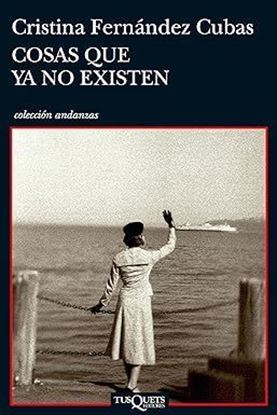
COSAS QUE YA NO EXISTEN (OF2)
Cosas que ya no existen es un hito en la trayectoria de Cristina Fernández Cubas, un libro que la autora concibió como un recuento de escenas, personajes, viajes y momentos de su propia vida que pedían paso para una suerte de memorias, y que, imponiendose como historias, acabaron conformando un magnífico volumen de relatos vividos. Con las armas de la ficción, y el despliegue de una prosa envolvente y arrolladora, sus páginas nos transportan a un viaje transatlántico al Buenos Aires de los años setenta, a estudiar durante unos meses en El Cairo, a cruzar la frontera boliviana o a vivir singulares peripecias en distintos puntos del globo.
500
400
500
400
EL CIRCULO (OF2)
El nuevo poemario de una de las voces más relevantes en el panorama poético hispanoamericano.
500
400
500
400
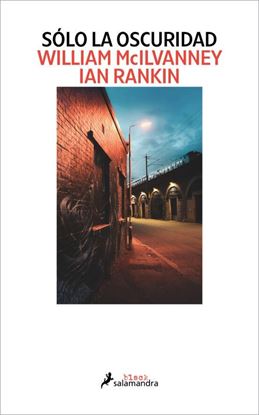
SOLO LA OSCURIDAD (OF2)
Al joven agente Jack Laidlaw no le gusta trabajar en equipo, pero tiene un sexto sentido para lo que ocurre en las calles. Su jefe atribuye la violencia a las rivalidades de siempre, pero ¿es así de sencillo? Cuando se inicia la guerra entre dos bandas de Glasgow, Laidlaw necesita averiguar quién eliminó al abogado Bobby Carter antes de que toda la ciudad estalle.
500
400
500
400
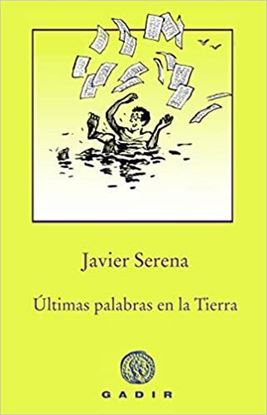
ULTIMAS PALABRAS EN LA TIERRA (OF2)
Últimas palabras en la Tierra cuenta el final de una historia. También el principio. La historia de un hombre al que llamaremos Ricardo Funes, aunque ese no sea su nombre verdadero. Las tres voces que repasan la existencia desesperada de este escritor, pocos años antes de su éxito y de su muerte temprana, nos adentran en las luces y sombras de una vocación imposible de abandonar. Su entrega visceral a la escritura y el ostracismo que sufrió hasta su reconocimiento tardío por parte de la crítica y los lectores hacen de Ricardo Funes un personaje fascinante que trasciende las fronteras entre realidad y ficción para convertirse en una criatura hecha de literatura.
500
400