1,750
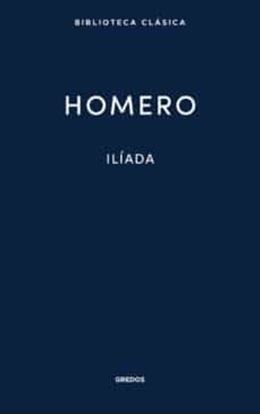
ILIADA (GREDOS) (TD)
Unos pocos días antes del último de los diez años que duró el asedio de los aqueos a la ciudad de Troya, proporcionan el marco cronológico a los acontecimientos narrados en la Ilíada, el poema más antiguo de la literatura occidental. Producto de una larga tradición oral, la epopeya, como advierte su autor en el primer verso, relata la historia de las consecuencias de una pasión humana. Aquiles, encolerizado por el ultraje de Agamenón, que como caudillo de la expedición griega le ha arrebatado a Briseida, su parte del botín, decide retirarse del combate. Pero no tardará mucho en volver a él, con furia renovada, a raíz de la muerte de su compañero Patroclo a manos de los troyanos.
1,750

1,750
ENEIDA (GREDOS) (TD)
Hasta el final de su vida, y durante más de diez años, Publio Virgilio Marón (70-19 a.C.) estuvo dedicado a la composición de la Eneida, unánimemente reconocida como el más perfecto exponente del clasicismo romano. Virgilio pretendió con ella ofrecer al público romano la gran epopeya de sus orígenes, que sirviera al tiempo como justificación y exaltación del nuevo régimen impuesto por el emperador Augusto. El resultado sería esta magistral combinación entre el pasado legendario de Roma y su historia reciente.
1,750
1,700
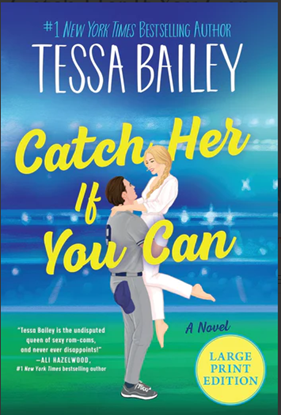
CATCH HER IF YOU CAN
Madden Donahue, the newest catcher for the Yankees, has been in love with Eve Mitchell since high school, but for some mysterious reason, the burlesque club owner always turns him down. That never stopped him from being her self-appointed protector. Case in point, now that Eve’s sister has left Eve with her two children indefinitely, Madden steps in with a proposition—marry him for the much needed health benefits.
Eve has secretly harbored feelings for Madden all along, but there’s one problem—her best friend Skylar called dibs on him when they were fourteen. Eve has always put their friendship above all else, and she’s not willing to risk losing Skylar over a man. Raised by the local strip club owner, Eve is woefully short on friends and treasures the ones she has. But with Skylar happily paired off, Eve finds herself accepting Madden’s proposal—on the condition that their marriage remains strictly private. She’s not about to let her unique profession and maligned reputation destroy Madden’s shiny new career.
Madden won’t let Eve get away that easily, though. What starts as a marriage of convenience soon ignites into something much hotter, and now it’s up to Madden to convince Eve that their connection is far more than a business arrangement. As the passion builds, can their fake marriage become the real deal?
1,700
1,700
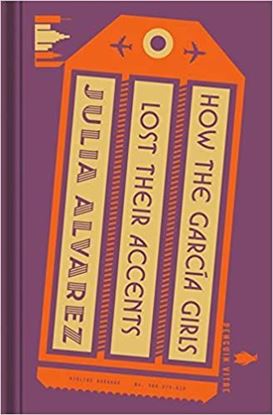
HOW THE GARCIA GIRLS LOST THEIR ACCENTS
The García sisters—Carla, Sandra, Yolanda, and Sofía—and their family must flee their home in the Dominican Republic after the discovery of their father's role in an attempt to overthrow the brutal dictator Rafael Trujillo. They arrive in New York City in 1960 to a life far removed from their existence in the Caribbean. In the wondrous but not always welcoming United States, their parents try to hold on to their old ways as the girls try to find new lives: by straightening their hair and wearing American fashions, and by forgetting their Spanish. For them, it is at once liberating and excruciating to be caught between the old world and the new. In Julia Alvarez's beloved first novel, How the García Girls Lost Their Accents, the sisters tell their stories about being at home—and not at home—in America.
Penguin Vitae—loosely translated as "Penguin of one's life"—is a deluxe hardcover series from Penguin Classics celebrating a dynamic and diverse landscape of classic fiction and nonfiction from seventy-five years of classics publishing. Penguin Vitae provides readers with beautifully designed classics that have shaped the course of their lives, and welcomes new readers to discover these literary gifts of personal inspiration, intellectual engagement, and creative originality.
1,700
1,700
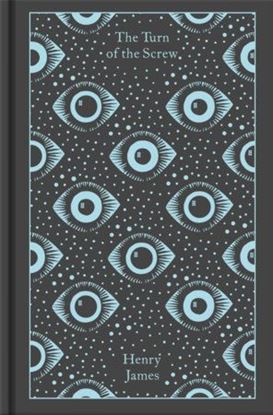
THE TURN OF THE SCREW
In "The Turn of the Screw," one of the most famous ghost stories of all time, a
governess becomes obsessed with the belief that malevolent forces are stalking
the children in her care. It is accompanied here by several more of the very best of
Henry James's short stories, all exploring ghosts and the uncanny.
For more than seventy years, Penguin has been the leading publisher of classic literature in the English-speaking world. With more than 1,800 titles, Penguin Classics represents a global bookshelf of the best works throughout history and across genres and disciplines. Readers trust the series to provide authoritative texts enhanced by introductions and notes by distinguished scholars and contemporary authors, as well as up-to-date translations by award-winning translators.
1,700
1,700
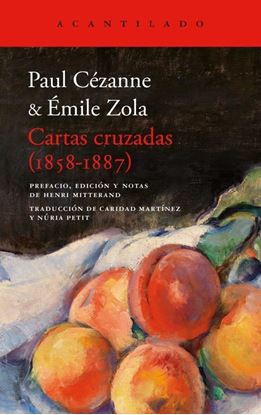
CARTAS CRUZADAS (1858-1887)
Paul Cézanne y Émile Zola iniciaron en la infancia una amistad que enlazaría sus destinos de por vida: no sólo compartían origen geográfico, medio social y educativo, e intereses intelectuales, sino también una profunda complicidad. Pese a la distinta suerte artística de cada uno―Zola alcanzó pronto reconocimiento y éxito, mientras que Cézanne, aislado, apenas expuso su obra hasta el final de su vida, gracias a Ambroise Vollard―, mantuvieron un fructífero diálogo durante treinta años, incluso después de la publicación de La obra en 1886 en la que supuestamente Zola retrataba a su amigo pintor de un modo poco favorable. Estas cartas muestran bajo una nueva luz la riqueza de una amistad tan compleja como genuina, y la singular sensibilidad de dos artistas que tuvieron el privilegio de conocerse y lo celebraron sincerándose sobre sus preocupaciones más íntimas, artísticas y personales, a menudo indistinguibles para ambos.
1,700