500
400
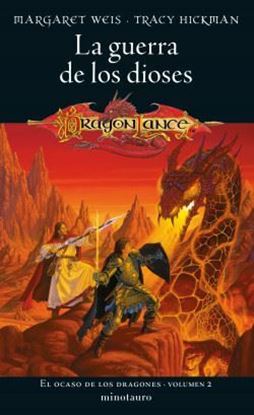
LA GUERRA DE LOS DIOSES (OCASO 2/2)(OF2)
Palin y Tas cruzan el Portal y entran en el Abismo, donde aguarda Raistlin para llevarlos a presenciar un acontecimiento extraordinario: la asamblea de los dioses. En ella, Paladine accede a la petición de la Reina Oscura y de Gilean, que consiste en retirar los dragones del Bien para que los Caballeros de Takhisis se alcen con la victoria y unifiquen bajo un mando único todas las fuerzas de las distintas razas. De esta manera podrán afrontar la lucha contra Caos y evitar la destrucción de Krynn y de todo lo creado.
La Torre del Sumo Sacerdote cae en manos de las fuerzas de la Oscuridad por primera vez en la historia y el dominio absoluto de Ariakan se extiende rápidamente por Ansalon. Entretanto, Steel Brightblade va a ser ajusticiado por haber dejado escapar a su prisionero, Palin Majere.
500
400

500
400
VIDA MORTAL E INMORTAL DE LA NIÑA (OF2)
Un niño napolitano que mira por la ventana y fantasea con ser poeta, una niña de pelo de color azabache que baila en el balcón de enfrente y un amigo con el que batirse en duelo: así comienza la historia de tres personajes cuyos destinos quedan inextricablemente unidos para siempre. Los dos chicos, enamorados al instante de la Milanesa, como se refieren a la misteriosa muchacha, se embarcan en una batalla a muerte por su atención. Años más tarde, ya en la universidad y alejados del mundo de la infancia, los caminos de los dos compañeros se vuelven a cruzar. Nuestro narrador, aquel muchacho soñador, debe enfrentarse a su memoria y lanzarse en busca de la verdadera identidad de la Milanesa.
500
400

500
400
OTRO TIPO DE MUSICA (OF2)
Otro tipo de música evoca la vida familiar —mediante la añoranza, la rabia y la felicidad— e íntima de la autora, parte de esta valiosa constelación artística conocida como «Familia Parra», y ofrece, mediante breves historias y aforismos, una introducción divertida y original a la contemplación de lo que nos ocurre cada día.
«Tengo mis dudas sobre lo que escribo, sobre el real interés en lo que busco. Antes quise que mis canciones no las escuchara nadie. Algo de voyerismo tiene todo esto. Tú mismo ahora estás mirando por un agujero cómo me desnudo. Crees que lo voy a hacer por completo. En verdad lo estoy haciendo».
500
400
500
400
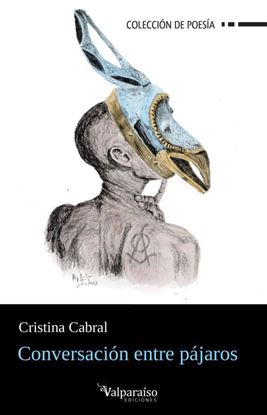
CONVERSACION ENTRE PAJAROS (OF2)
Desde hace algún tiempo, Cristina y yo habíamos especulado con la posibilidad de hacer un trabajo en el que pudieran conjuntarse y dialogar sus textos con algunos de mis dibujos, y llegó el momento cuando apareció Conversaciones entre pájaros, los del bosque y los del alma, esos pájaros de su alma de afrodescendiente, consciente y orgullosa de esa herencia cultural híbrida que vive en sus versos y vuela en los esbozos de esos pájaros igualmente híbridos escondidos entre sus páginas.
500
400

500
400
ENTRE DOMINGO Y DOMINGO (OF2)
Este libro urbano y contemporáneo juega con las formas y el lenguaje para dibujar el desasosiego de la rutina citadina. El tumulto de la juventud sacude cada página con sus males de amores, su incertidumbre, su esperanza desaforada, y su rebeldía frente a las presiones socioculturales. La ciudad de Bogotá aparece como testigo y cómplice, amparando a la narradora en sus desamores y retándola en las noches.
500
400
500
400
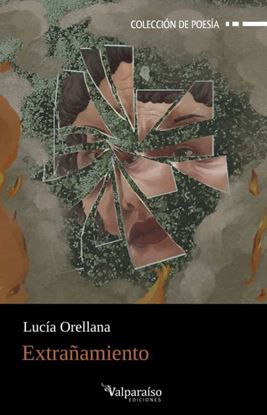
EXTRAÑAMIENTO (OF2)
Poesía de tonos ágiles e intensos que hurgan / exploran la temporalidad de la existencia a través de imágenes que turban y descolocan al lector. Versos que construyen y deconstruyen un espacio de extrañamiento, donde toda exploración es posible en la medida en que las grietas de la memoria evoquen un fonema, porque cuando hay lenguaje no hay ausencia. Los textos de Lucía Orellana transitan / recrean parajes cercanos y lejanos, los captura con su voz fosforescente en la urgencia de atrapar lo que fue y lo que será.
500
400